Not Every Wrinkle Should Be Removed.
Many patients expect lower eyelid surgery to completely eliminate every wrinkle beneath the eyes.
However, this is not how stable lower eyelid surgery should be approached.
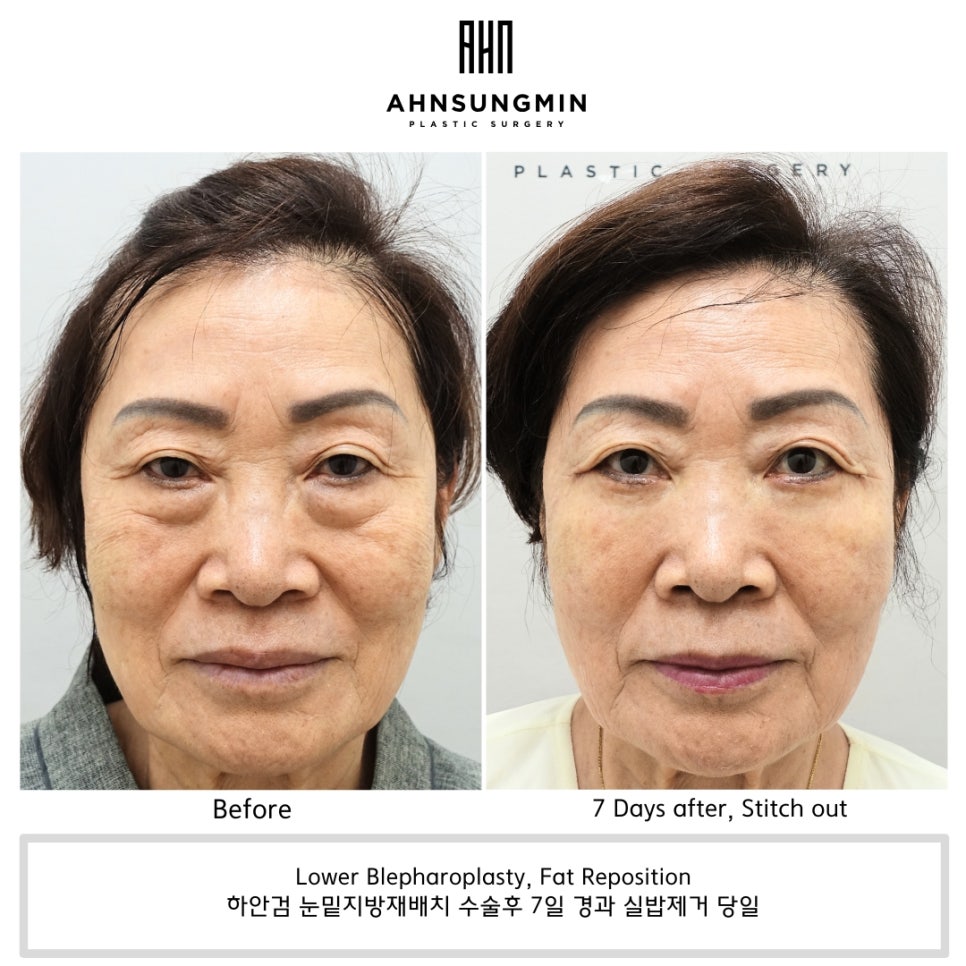
After fat repositioning and lower blepharoplasty, some degree of fine wrinkling or loose skin may still remain.
This is often intentional.
Early swelling, skin texture changes, and fine wrinkles often continue to improve gradually during recovery.
For this reason, lower eyelid surgery results should be evaluated over time rather than immediately after surgery.
See our Lower Eyelid Surgery Recovery Timeline to understand how recovery and tissue stabilization progress after surgery.
The lower eyelid is a delicate structure that must maintain natural flexibility, support, and movement.
If the skin is removed too aggressively in an attempt to create a completely smooth surface, the eyelid may become excessively tight over time.
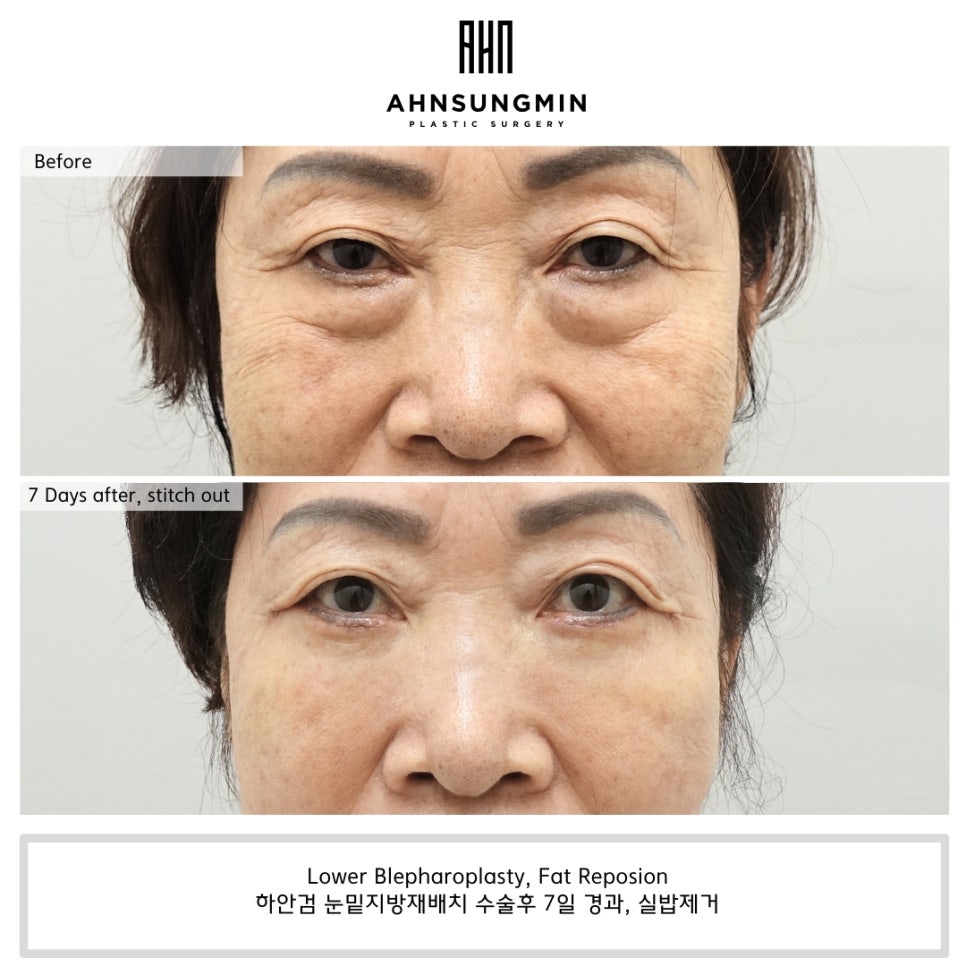
This excessive tension can increase the risk of lower eyelid retraction, unnatural pulling, ectropion, dryness, and long-term instability caused by gravity and scar contraction.
These concerns become even more important in elderly patients, where skin elasticity and lower eyelid support may already be weakened before surgery.
See how structural preservation was approached in this lower blepharoplasty case in a patient in her 70s.
For this reason, successful lower eyelid surgery is not about removing every visible wrinkle.
It is about restoring structural balance while preserving the natural support and protective function of the lower eyelid.
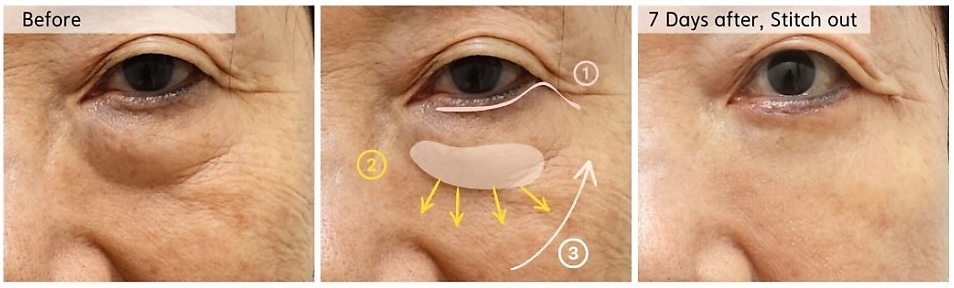
In many cases, leaving some fine wrinkles is safer and more natural than creating excessive tension through overcorrection.
Frequently Asked Questions About Lower Eyelid Surgery Recovery
Why do I still have wrinkles after lower eyelid surgery?
Some fine wrinkles may remain intentionally after surgery to preserve natural lower eyelid movement and reduce the risk of excessive tension or eyelid retraction.
Can all loose skin be removed during lower blepharoplasty?
Aggressively removing all loose skin can increase the risk of unnatural pulling, lower eyelid retraction, ectropion, dryness, and long-term instability.
Do wrinkles continue to improve during recovery?
Yes. Swelling, skin texture, and fine wrinkles often continue to improve gradually over several months as the lower eyelid tissues stabilize.
Why is tissue preservation important in lower eyelid surgery?
Preserving skin and structural support helps maintain natural eyelid function, reduces tension, and improves long-term stability after surgery.
Successful lower blepharoplasty depends not only on surgical technique but also on accurate diagnosis and individualized planning.
Learn how to choose the best lower blepharoplasty surgeon in Korea.
Request a Lower Eyelid Evaluation
If you are considering lower eyelid surgery or revision surgery, the most important question is not how much skin can be removed, but whether the lower eyelid can remain structurally stable over time.
At Ahnsungmin Plastic Surgery, lower eyelid surgery is approached with careful attention to structural support, tissue preservation, and long-term eyelid stability rather than aggressive skin removal alone.
Seeing the Eye as a Whole, Not in Parts
A Clinic Dedicated to Eyelid Revision Surgery in Korea
Ahnsungmin Plastic Surgery
