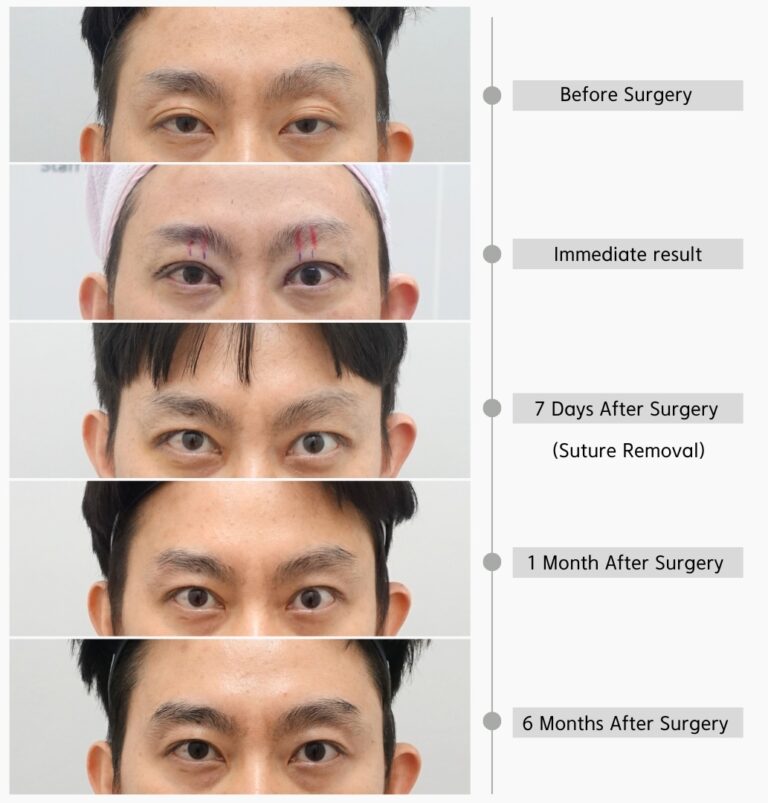
Why Do Eyes Look Too Wide Open After Revision Ptosis Surgery?
Some patients are surprised when they look in the mirror immediately after revision ptosis surgery. Before surgery, they struggled to open their eyes fully. After surgery, their eyes may appear much wider open than expected. If one eye also looks different from the other, they may begin to worry that the correction was excessive. But...
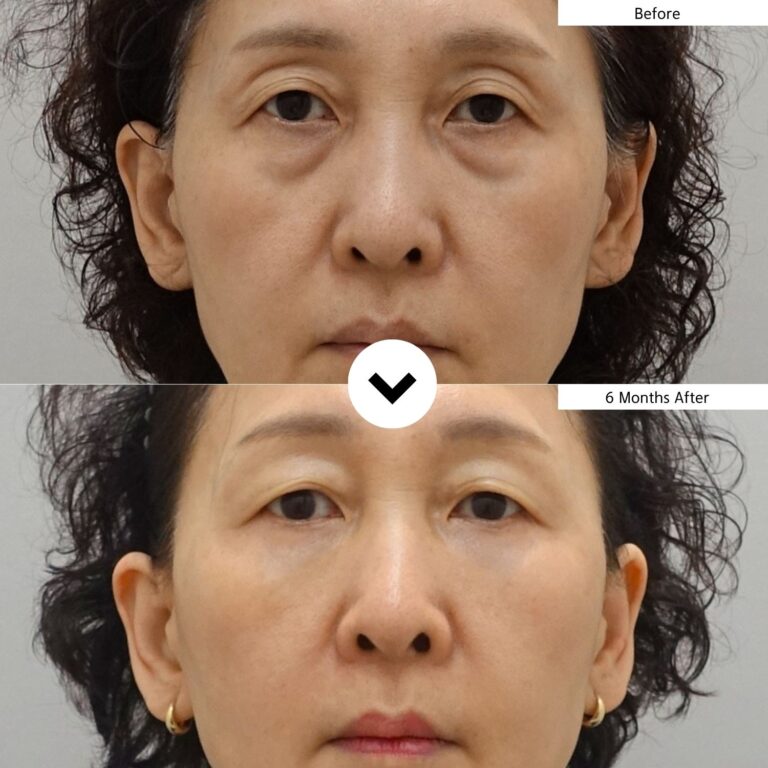
Lower Blepharoplasty in a Middle-Aged Woman: Recovery from Surgery to 6 Months.
Lower blepharoplasty in middle-aged patients often requires more judgment than simply deciding how much under-eye fat or loose skin to remove. With age, the lower eyelid changes as a whole. Fat may become more prominent, the skin becomes less elastic, and the support between the lower eyelid and cheek gradually weakens. Treating only the most...
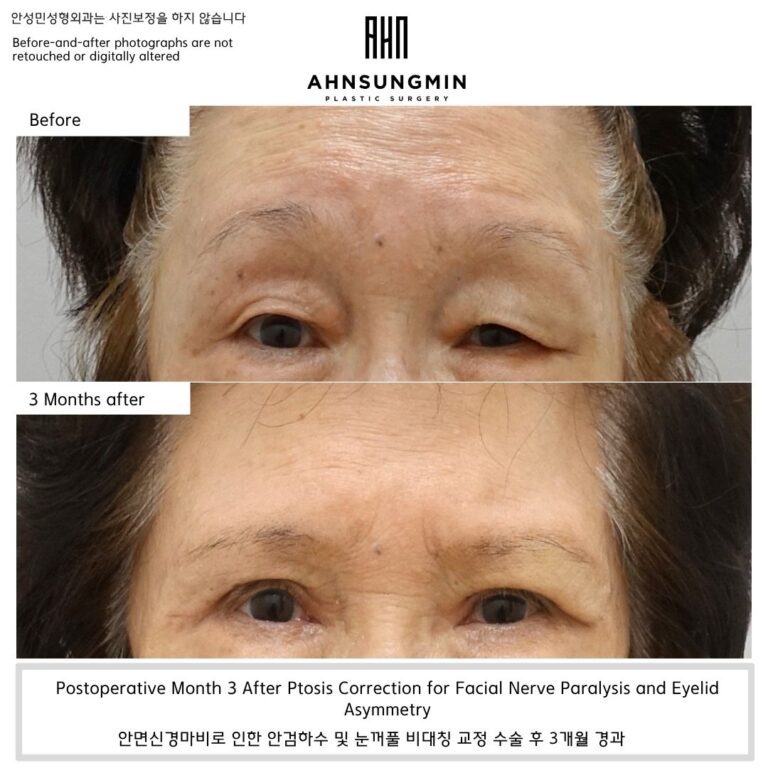
Ptosis Correction for Facial Nerve Paralysis and Eyelid Asymmetry.
When Eyelid Asymmetry Reflects a Functional Difference Eyelid asymmetry is not always a cosmetic difference between the two eyes. In patients with facial nerve paralysis, differences in neuromuscular function can affect how the eyelids and surrounding facial structures move. This means that simply comparing eyelid height at rest may not fully expla...
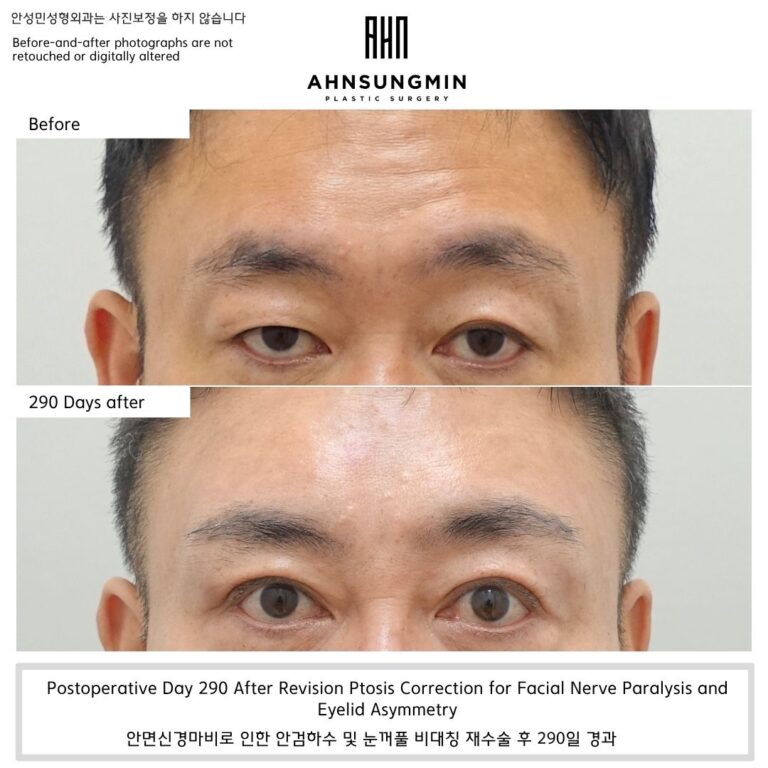
Revision Ptosis Correction for Facial Nerve Paralysis and Eyelid Asymmetry.
When Eyelid Asymmetry Is More Than a Cosmetic Difference Eyelid asymmetry is not always simply a difference in crease height or eye size. In patients with facial nerve paralysis, the two sides of the face may no longer function in the same way. When previous eyelid surgery has also been performed, the situation can become...

Why Ptosis Can Cause Multiple Eyelid Folds
Many patients notice several eyelid creases appearing over time and assume the folds themselves are the problem. Some seek revision surgery simply to remove the extra lines. However, multiple eyelid folds are often not caused by the crease alone. In many cases, they are a sign that the eyelids are no longer opening in a...
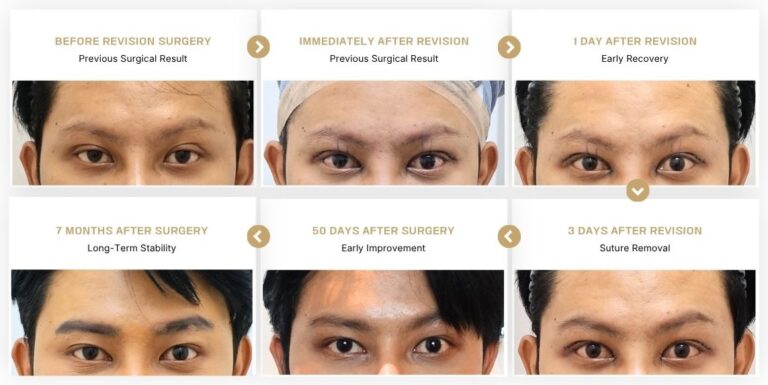
Male Eyelid Revision Recovery Timeline: Why Final Results Take Time
Recovery Is a Process, Not a Single Moment Many patients judge their results too early after revision surgery. Swelling, scar remodeling, eyelid height, and tissue relaxation all continue to change during the months following surgery. A natural masculine eyelid cannot be evaluated immediately after surgery. Recovery is part of the treatment itself....
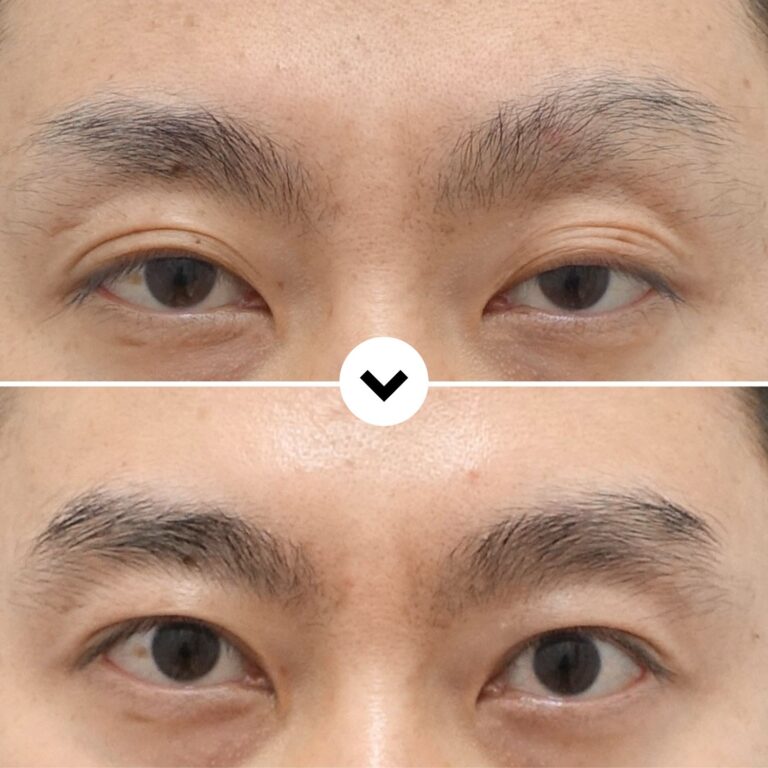
Residual Ptosis After Previous Eyelid Surgery: A Functional Revision Case
Patient Concern This patient visited our clinic seeking revision eyelid surgery after previous eyelid surgery because the eyes continued to appear tired, heavy, and only partially open. Although a double eyelid crease had already been created, the patient remained dissatisfied with the overall appearance. The eyelids did not open fully, resulting i...
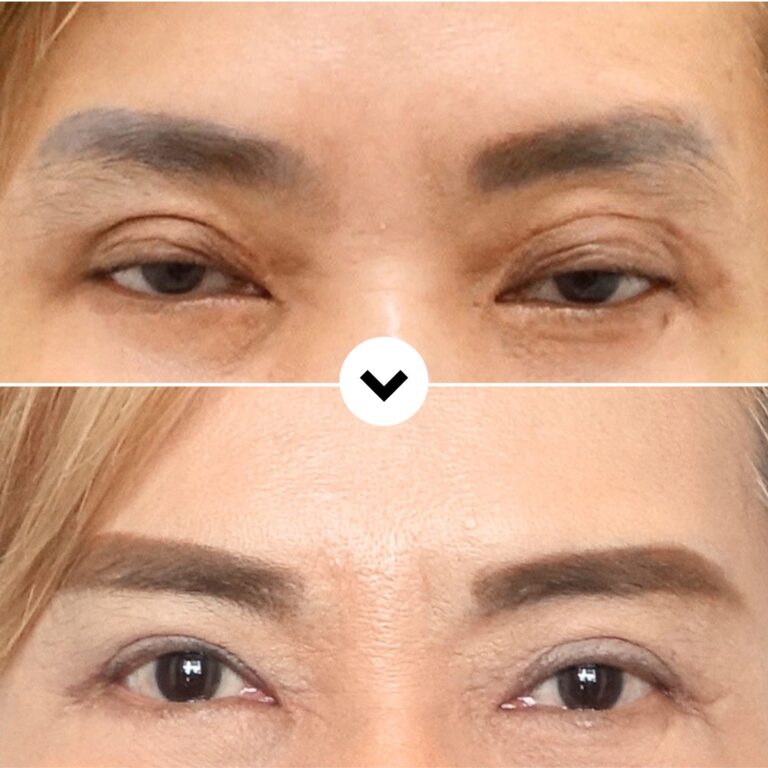
Scar Adhesion Revision After Four Previous Eyelid Surgeries
Patient Concern This patient visited our clinic seeking revision eyelid surgery after undergoing four previous eyelid surgeries. Despite multiple operations, the eyelids remained tight, asymmetric, and unnatural. Repeated surgery had resulted in significant scar adhesions that restricted normal eyelid movement and altered the normal relationship be...
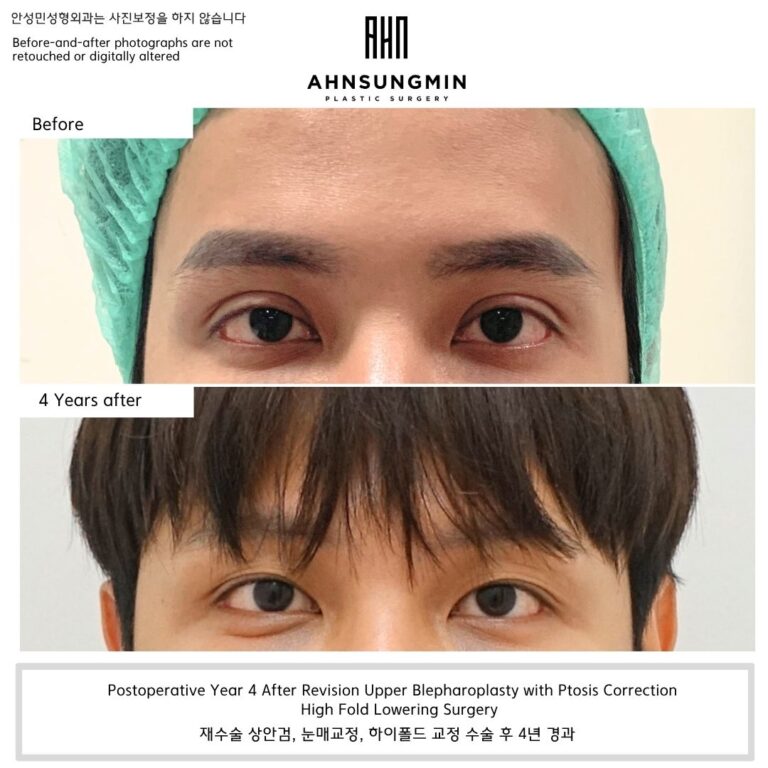
Four Years After Revision Eyelid Surgery: Restoring a More Natural Masculine Appearance.
Before and After This patient traveled to Korea seeking revision eyelid surgery after becoming dissatisfied with the results of a previous procedure. The original surgery had created a crease that was positioned too high and fixed too deeply. As a result, the eyes appeared overly defined, giving the face a heavier, more feminine appearance.....
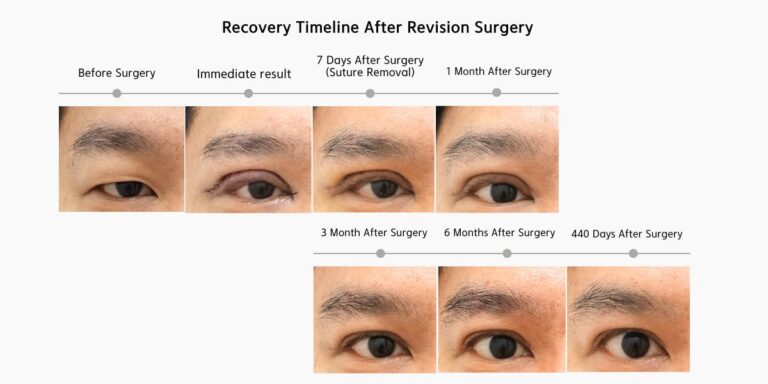
Why Upper Blepharoplasty Results Should Be Evaluated Over Time.
Many patients expect to see the final outcome immediately after upper blepharoplasty. In reality, early postoperative appearance rarely represents the final result. Swelling, tissue stiffness, eyelid movement, and scar maturation all continue to change during the healing process. For this reason, upper blepharoplasty should never be judged during t...
