Best Eyelid Revision Surgeon in Korea: A Guide to Choosing the Right Specialist
Choosing the best eyelid revision surgeon in Korea is not about finding the most popular clinic. It is about finding a specialist who can identify why the previous surgery failed, evaluate eyelid function and tissue condition, and create a personalized plan for long-term stability.
Located in Gangnam, Seoul, AHNSUNGMIN Plastic Surgery focuses exclusively on eyelid surgery, with particular expertise in complex revision cases. Our approach is based on cause-oriented diagnosis, functional evaluation, structural preservation, and individualized surgical planning for both Korean and international patients seeking natural, stable, long-term results.
20+ Years
Specializing in Eyelid Surgery
Maximum 2
Surgeries Per Day
One Surgeon
Complete Care
International Patient Program
Typical Recovery Timeline After Revision Eyelid Surgery

Revision recovery takes time. Because tissues have already undergone surgery, swelling, scar maturation, and structural adaptation continue for months before the final result can be properly evaluated.
Why Revision Surgery Is Different
Revision eyelid surgery differs from primary surgery because every case has a unique history. Scar tissue, altered anatomy, tissue quality, and eyelid function all influence the surgical plan. Successful revision begins with understanding the cause—not simply correcting the appearance.
What to Look for in a Revision Specialist
Choosing the right revision specialist involves more than reviewing before-and-after photos. Before making a decision, consider whether the surgeon addresses the following key factors.
✔ Does the surgeon identify the cause before recommending surgery?
✔ Are long-term recovery results shown instead of early postoperative photos?
✔ Are revision cases explained, not simply displayed?
✔ Is surgery recommended only when appropriate?
✔ Does one surgeon manage consultation, surgery, and follow-up?
WHAT MAKES THE BEST REVISION EYELID SURGEON?
Located in Gangnam, Seoul, AHNSUNGMIN Plastic Surgery specializes in revision eyelid surgery based on cause-oriented diagnosis, functional evaluation, and long-term surgical planning. Korean and international patients visit our clinic seeking careful revision rather than routine corrective surgery.
Experience With Complex Revision Cases
Revision surgery requires extensive experience treating high folds, multiple creases, residual ptosis, hollow upper eyelids, scar adhesion, asymmetry, and previous unsuccessful surgeries. Every revision presents unique anatomical challenges.
Cause-Based Diagnosis
Successful revision begins by identifying why the previous surgery produced an unsatisfactory result. Scar tissue, muscle imbalance, tissue deficiency, and structural instability should all be evaluated before planning another operation.
Functional Evaluation
A revision specialist evaluates more than the eyelid crease. Eyelid opening, levator muscle function, brow compensation, and overall structural balance all influence the surgical plan.
Long-Term Results
Meaningful outcomes cannot be judged by early postoperative photographs. Long-term healing provides a more accurate reflection of surgical success than results shown only a few weeks after surgery.
Honest Surgical Judgment
The best surgeons do not recommend surgery for every patient. When additional healing or observation offers a better long-term outcome, postponing surgery may be the most appropriate decision.
Continuity of Care
Revision surgery often requires careful follow-up over several months. Having one surgeon manage consultation, surgery, and postoperative care helps maintain consistency throughout the entire treatment process.
The best revision eyelid surgeon is not defined by popularity, but by the ability to identify the cause of the problem, restore structural balance, preserve function, and recommend surgery only when meaningful long-term improvement is realistically achievable.
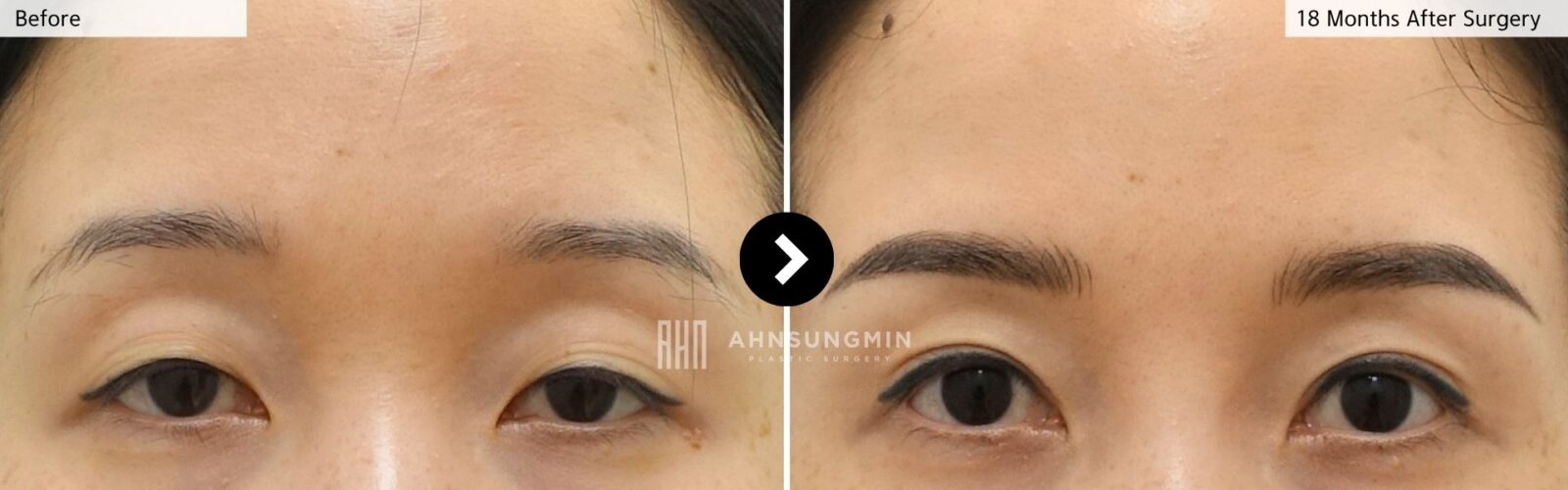
REAL REVISION CASES
Explore representative revision cases addressing high folds,
multiple creases, residual ptosis, hollow upper eyelids, scar adhesion, and asymmetry.
Each case demonstrates a different cause, requiring an individualized surgical approach.
High Fold Revision
Lowering an unnaturally high crease while preserving natural eyelid balance.

Multiple Fold Revision
Restoring a single,stable eyelid crease after previous surgery.
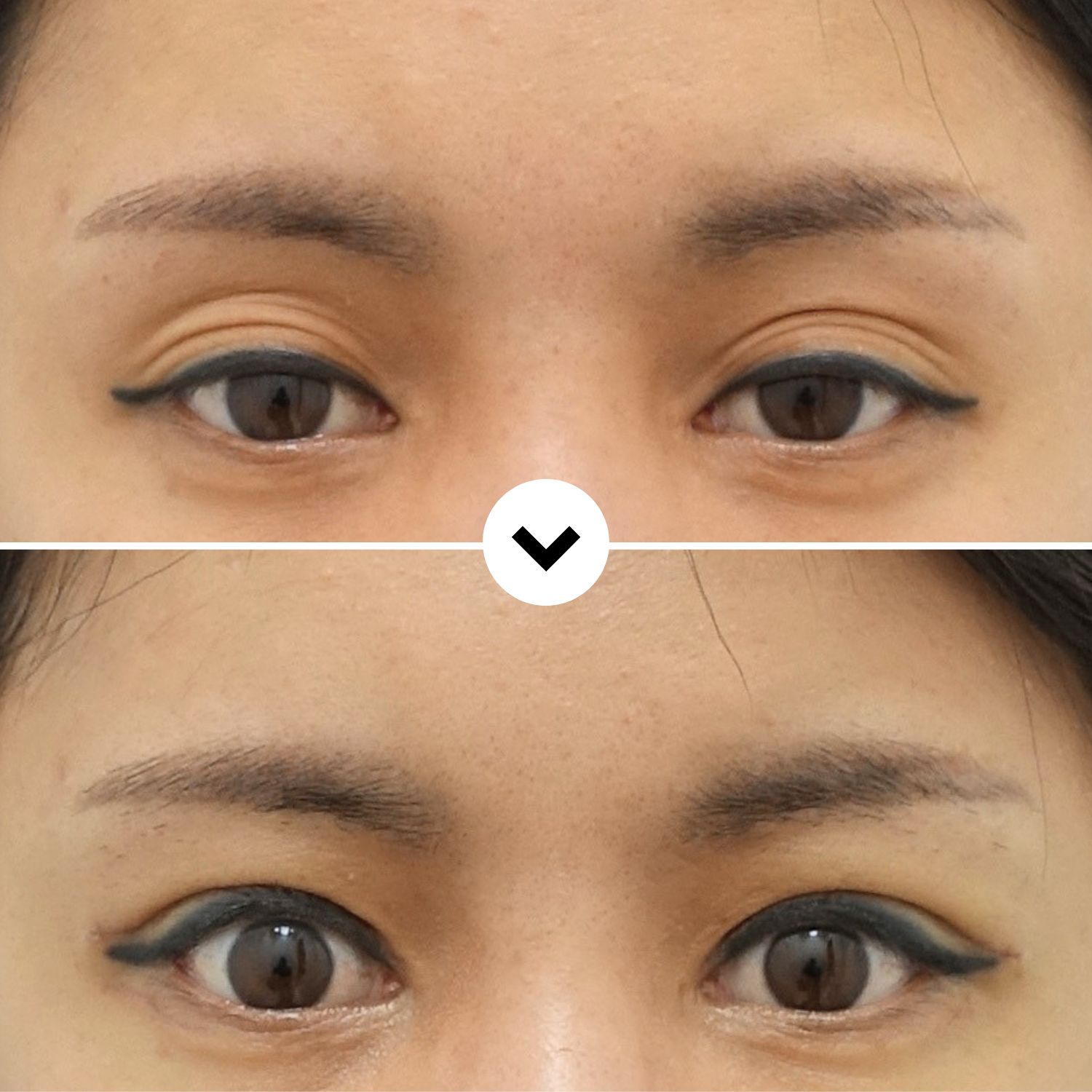
View Case
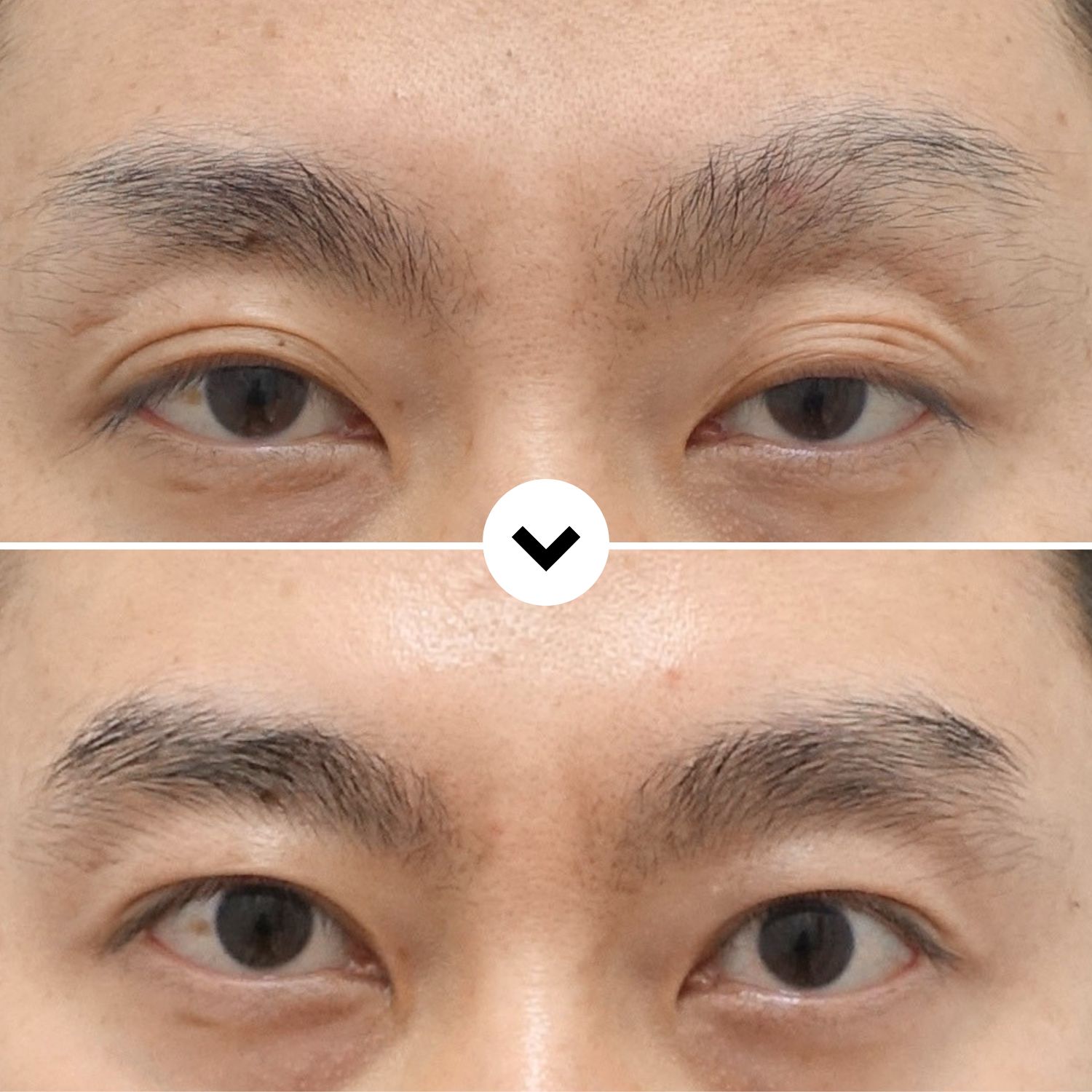
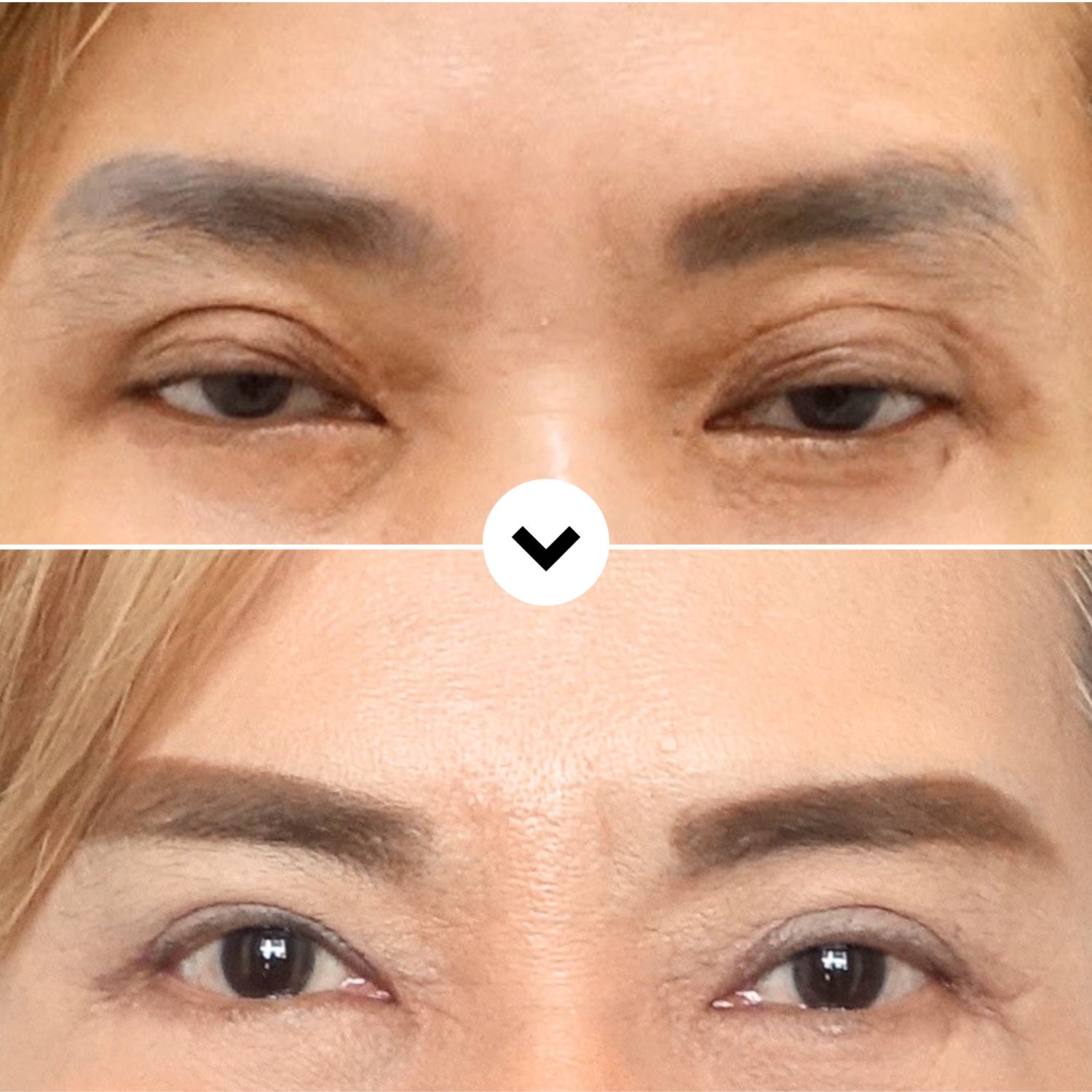
Asymmetry Correction
Balancing eyelid height and crease shape through individualized revision.
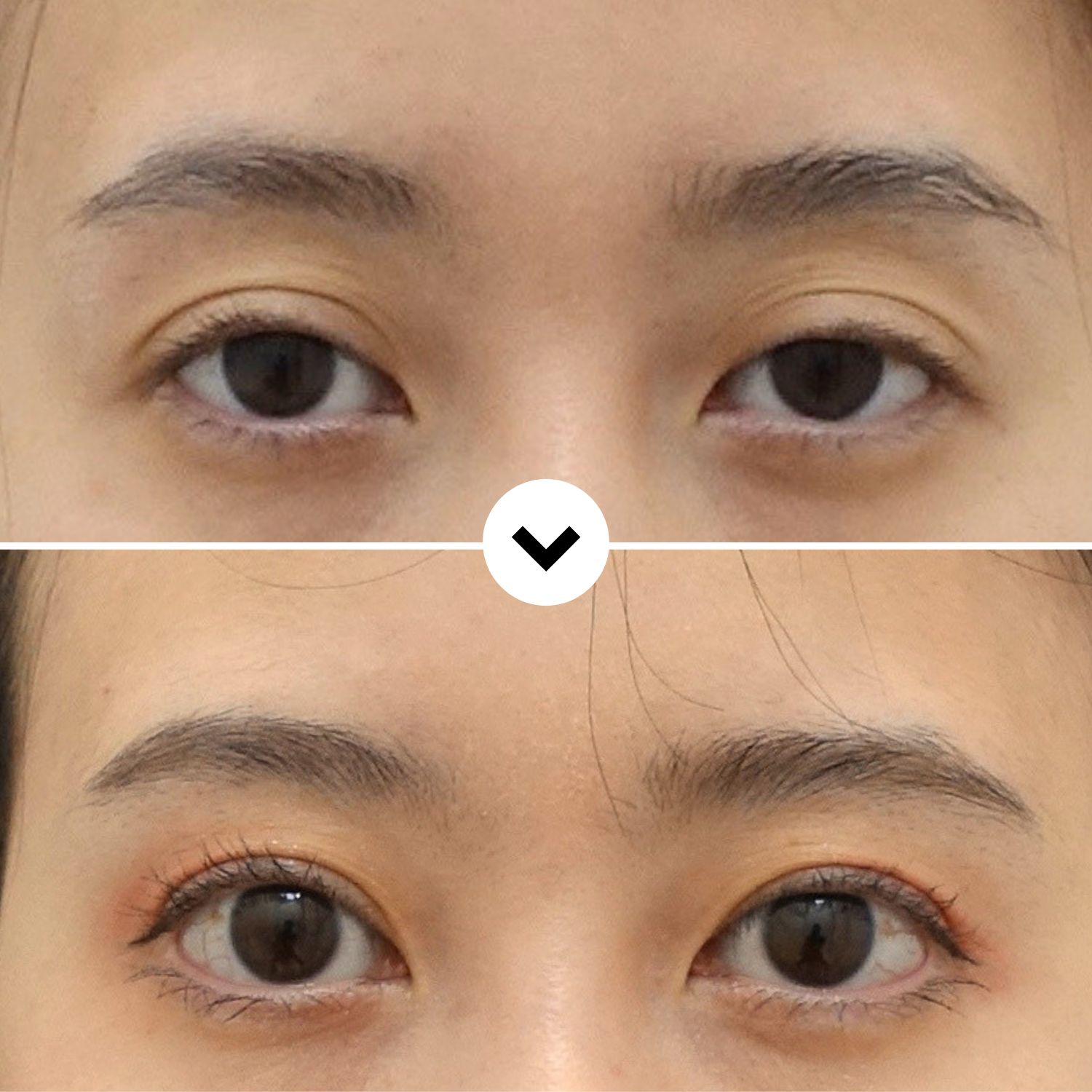
View Case
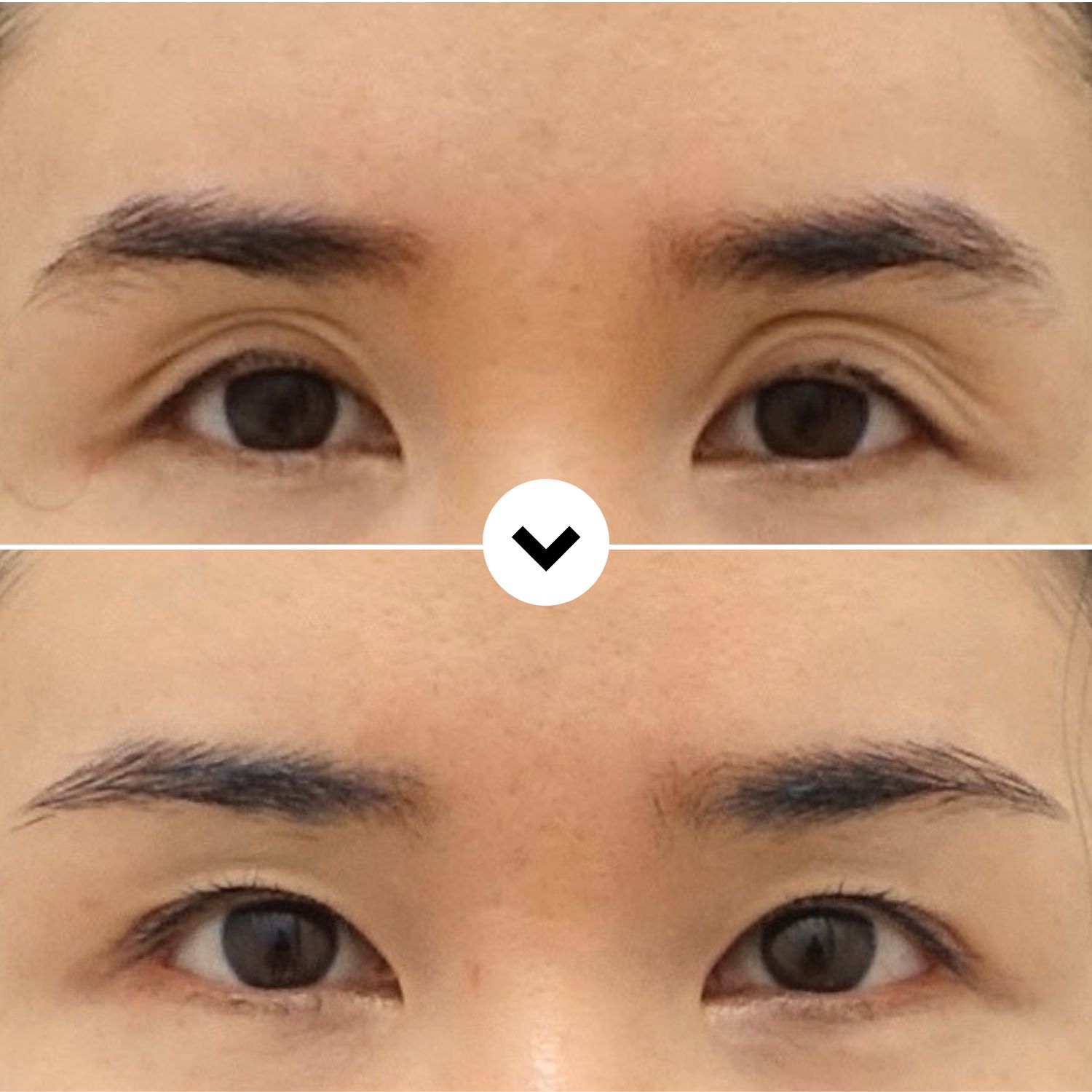
Scar Adhesion Revision
Releasing scar-related tension to improve eyelid movement and contour.



WHY REVISION SURGERY IS DIFFERENT
Revision Requires More Than Technical Skill
Unlike primary eyelid surgery, revision surgery begins with understanding why the previous procedure failed. Every decision depends on tissue condition, scar formation, eyelid function, and long-term structural stability—not simply creating another crease.
When Revision Surgery May Not Be the Right Choice
Revision surgery is not always the best solution. In some situations, additional healing time, realistic expectations, or avoiding another procedure altogether may lead to better long-term outcomes. A careful evaluation should determine not only how surgery can help, but also when it should be postponed or avoided.
Healing Is Still Ongoing
Revision may be delayed until tissues have fully stabilized.
Expectations Are Unrealistic
Perfect symmetry or complete reversal of previous surgery is not always achievable.
Surgery Would Not Improve the Result
Additional surgery should only be considered when meaningful improvement is expected.
Observation Is the Better Option
Sometimes careful observation is safer than immediate intervention.
WHAT TO LOOK FOR IN A REVISION SPECIALIST
Choosing the right revision specialist involves more than reviewing before-and-after photos. Revision surgery requires careful analysis, realistic planning, and long-term judgment. Before making a decision, consider whether the surgeon addresses the following key factors.
Identify the Cause First
Every revision begins with identifying the underlying cause—not simply correcting the appearance.
Evaluate Function
Eyelid opening, muscle function, and structural balance should all be evaluated before surgery.
Review Long-Term Results
Long-term recovery provides more meaningful information than early postoperative photos.
Recommend Surgery Carefully
Not every concern requires another operation. Sometimes waiting is the better choice.
Continuity of Care
One surgeon overseeing consultation, surgery, and follow-up helps ensure a consistent treatment plan.
Treatment Overview
| Treatment Information | Details |
|---|---|
| Surgery Time | Approximately 1.5–2 hours |
| Anesthesia | Local anesthesia. No fasting is required. Patients remain awake and can communicate with the surgeon throughout the procedure. |
| Suture Removal | 5–7 days after surgery |
| Postoperative Visits | 1–2 clinic visits before suture removal |
| Follow-up Schedule | Follow-up appointments are recommended at 1 month, 3 months, and 6 months after surgery. |
| Same-Day Discharge | Patients can typically return home on the same day after a short recovery period. |
| Return to Daily Activities | Most patients can resume light daily activities shortly after surgery. Recovery time varies depending on the individual. |
Patients from around the world travel to Korea for revision eyelid surgery because of the country’s extensive experience with Asian eyelid anatomy, high concentration of eyelid specialists, and structured postoperative follow-up. Choosing the right clinic, however, remains more important than choosing the destination itself. Experience with complex revision cases, individualized planning, and long-term care should always be the primary considerations.
Experience with Complex Revision Cases
Asian Eyelid Anatomy
One-Surgeon Care
Long-Term Follow-up
- Healing is still in progress.
- Expectations are unrealistic.
- Surgery is unlikely to improve function or appearance.
- Observation is the better option.
REVISION EYELID SURGERY GUIDE
Frequently Asked Questions
Find answers to the questions patients most commonly ask about revision eyelid surgery,
recovery, timing, candidacy, and long-term outcomes.
Revision surgery may be considered if you experience persistent asymmetry, an unnaturally high or low crease, multiple folds, incomplete eyelid opening, visible scarring, or results that remain unsatisfactory after sufficient healing. A thorough evaluation is necessary to determine whether surgery is appropriate.
In most cases, it is recommended to wait until healing from the previous surgery is complete. This often takes around one year, although the appropriate timing varies depending on the individual condition and the reason for revision.
Not always. The possibility of revision depends on factors such as tissue quality, skin availability, scar formation, and the overall structural condition of the eyelids. Some cases can be significantly improved, while others have limitations.
Yes. Revision surgery is generally more complex because normal anatomy has already been altered. Scar tissue, previous surgical changes, and reduced tissue flexibility often require a more individualized surgical approach.
Most swelling and bruising improve during the first few weeks, but final results develop gradually as tissues heal. Recovery continues for several months, and the final outcome should be evaluated only after sufficient healing.
Many patients seek treatment in Korea because of the country’s extensive experience with eyelid surgery, particularly complex revision procedures. Choosing the right surgeon, however, remains more important than the location itself.
The goal of revision surgery is improvement rather than perfection. Successful revision aims to restore balance, function, and natural appearance while respecting the limitations created by previous surgery.
The best way to determine candidacy is through a detailed consultation that evaluates eyelid anatomy, function, scar tissue, previous surgical history, and your treatment goals. In some situations, observation or additional healing time may be recommended before considering surgery.
REVISION EYELID SURGERY IN KOREA
Request a Revision Eyelid Evaluation
Every revision case is unique.
Our evaluation begins by identifying the cause of the previous surgery, assessing eyelid function, scar tissue,
and structural balance before recommending the most appropriate treatment plan.
Online Consultation Available for International Patients
Ahnsungmin Surgical Philosophy
Revision surgery begins by understanding why the previous surgery produced an unsatisfactory result—not simply by planning another operation.
Every treatment plan is individualized to restore structural balance, preserve function, and achieve long-term stability.
Request a Revision Eyelid Evaluation
Share your photos and concerns for an initial assessment.
