Lower Blepharoplasty Recovery Timeline in Korea: How Long Does Healing Really Take?
Lower Blepharoplasty Recovery Timeline in Korea
Real Healing Process After Lower Eyelid Surgery
Lower eyelid surgery in Korea is known for precision and refinement, but recovery still takes time. Understanding the healing process helps patients develop realistic expectations and protects long-term surgical stability.
Lower Eyelid Surgery Recovery Timeline in Korea
• 1–2 weeks: Swelling, bruising, and tightness are most noticeable • 3–4 weeks: Daily appearance becomes more socially comfortable • 1–3 months: Residual swelling gradually improves and tissue adaptation continues • 3–6 months: Under-eye contour becomes softer and more stable • 6–12 months: Scar maturation and long-term stabilization continue beneath the surface
① Lateral Canthoplasty Extends the outer corner to create a longer horizontal eye shape.
② Outer Corner Lowering Lowers the outer corner position to create a softer and more balanced appearance.
③ Lower Canthoplasty Adjusts the lower outer eyelid to create a more open and refined eye contour.
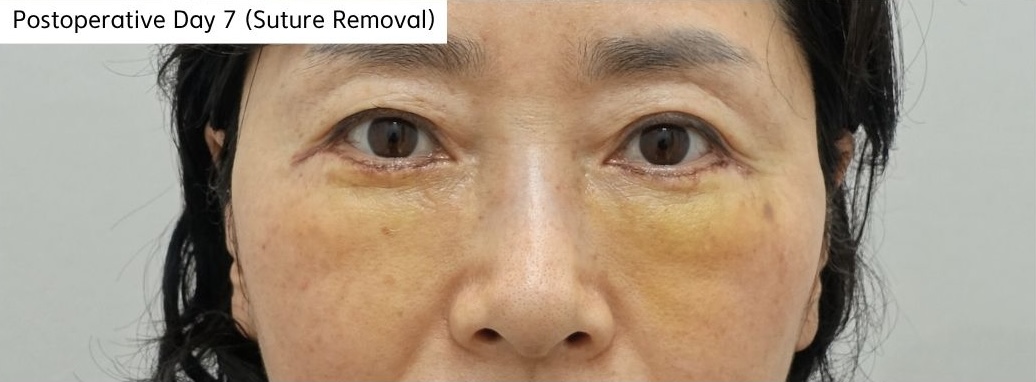
Postoperative Day 7 (Suture Removal)
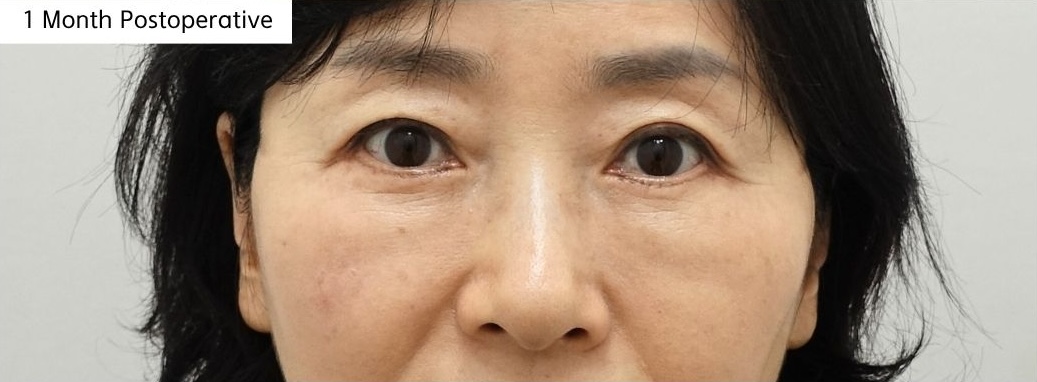
1 Month Postoperative
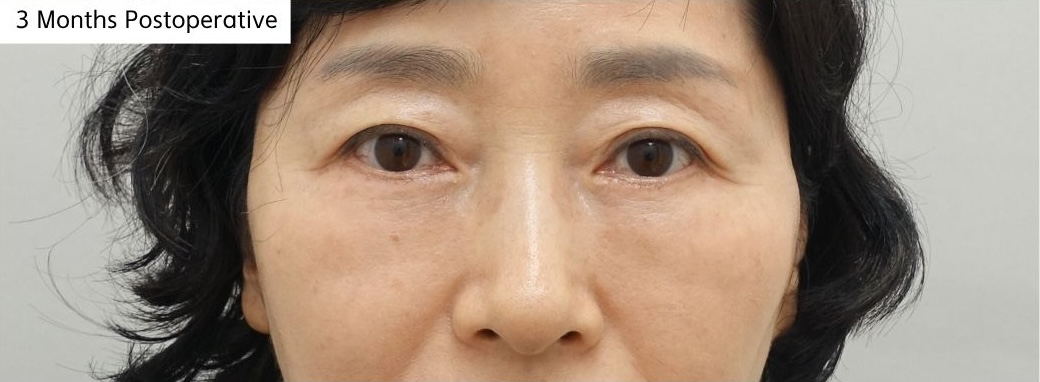
3 Months Postoperative
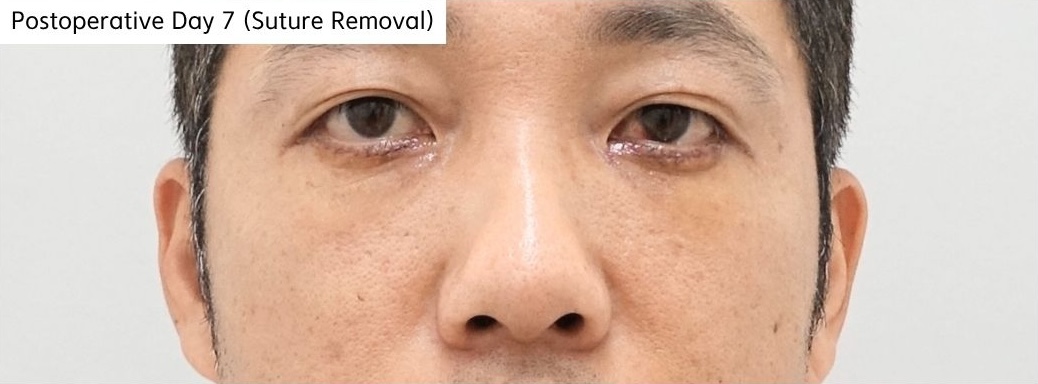
Swelling is most noticeable in the first week. Subtle changes continue for several months. The final result takes time to fully settle.
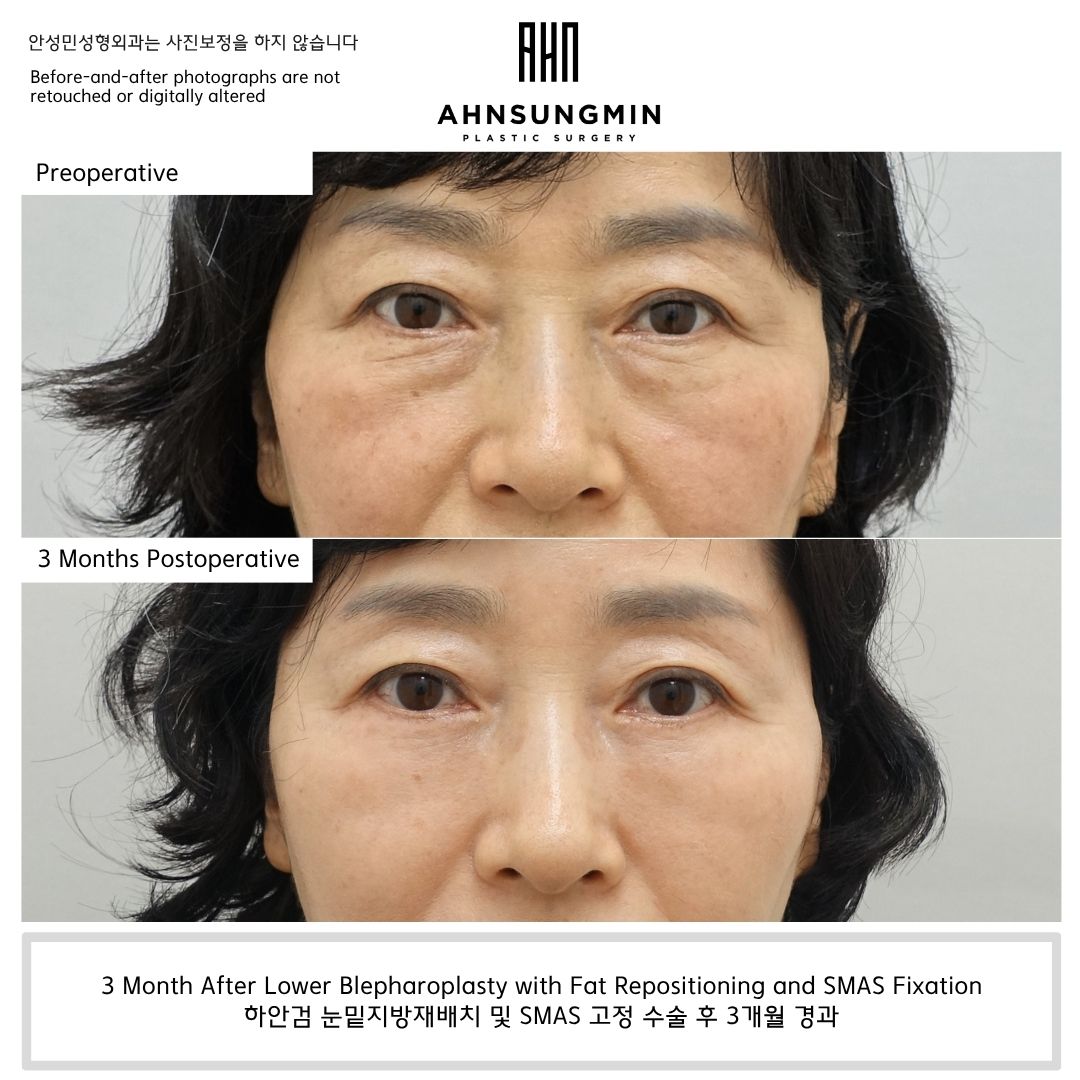
Lower Eyelid Surgery Recovery Case 2
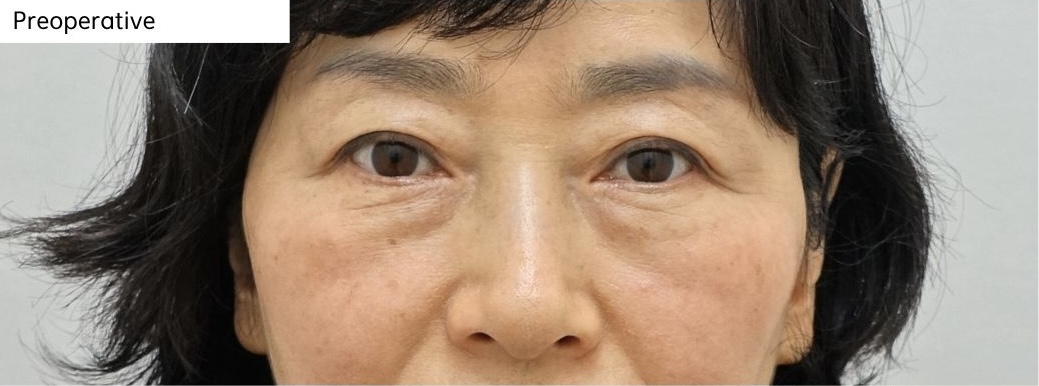
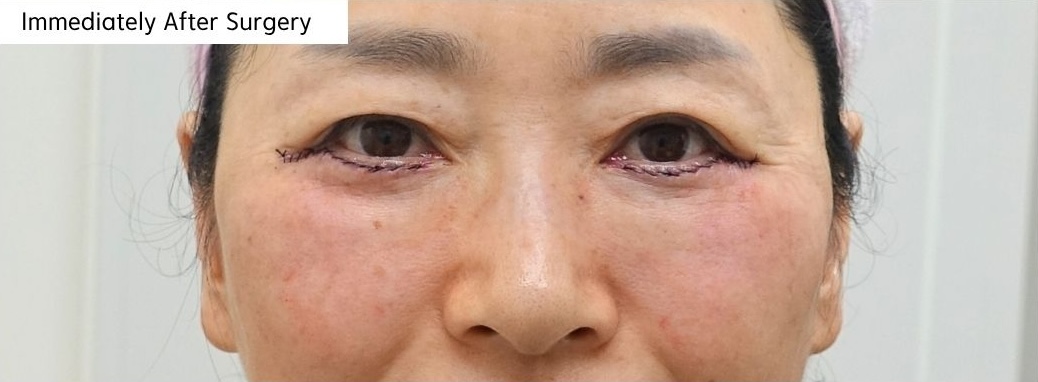
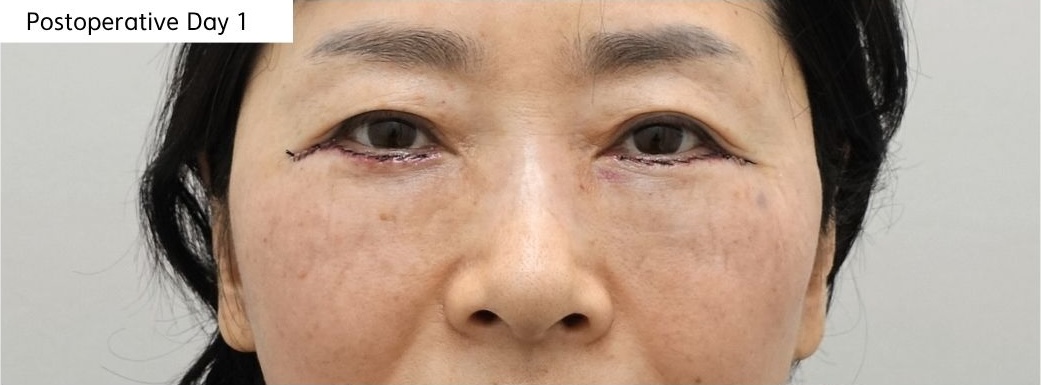
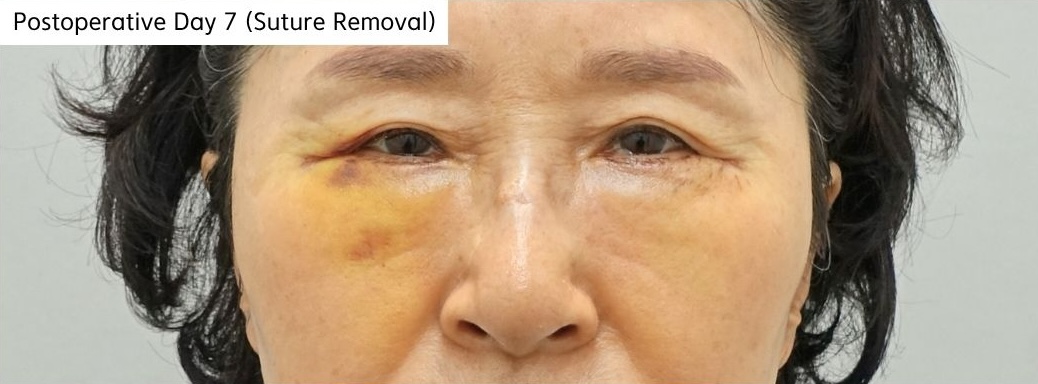
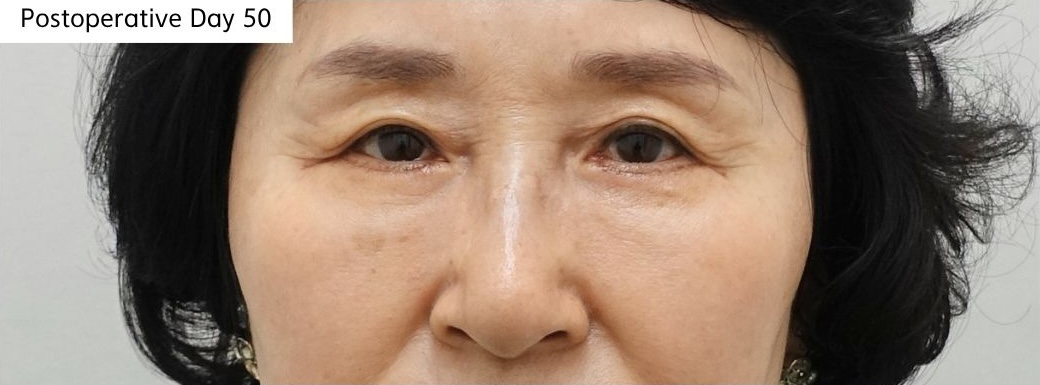
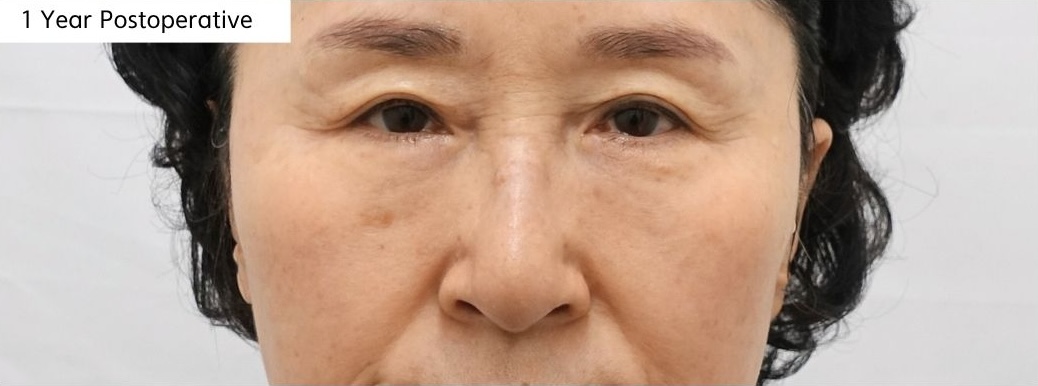
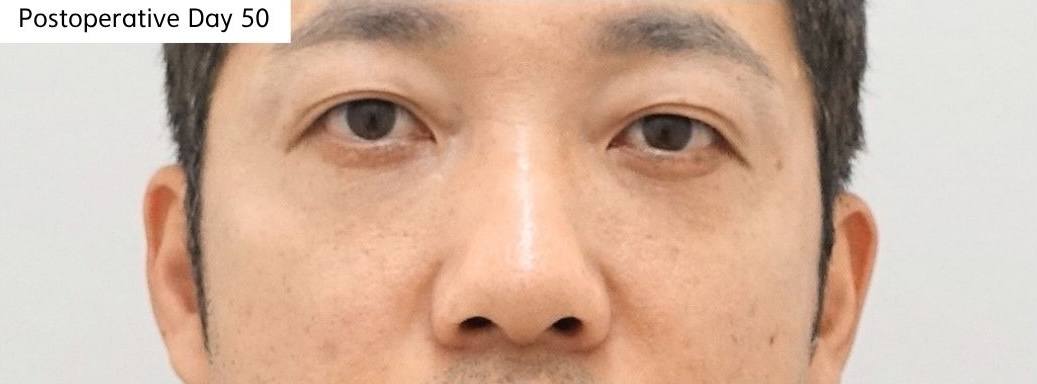
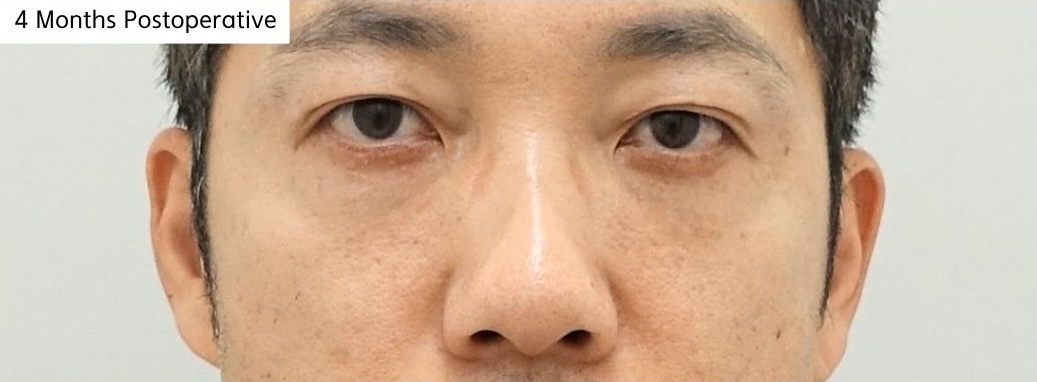
Even when swelling looks improved, the healing process is not yet complete. Each stage shows different changes, and the final outcome develops gradually over time. This is why consistent observation is more important than early judgment.
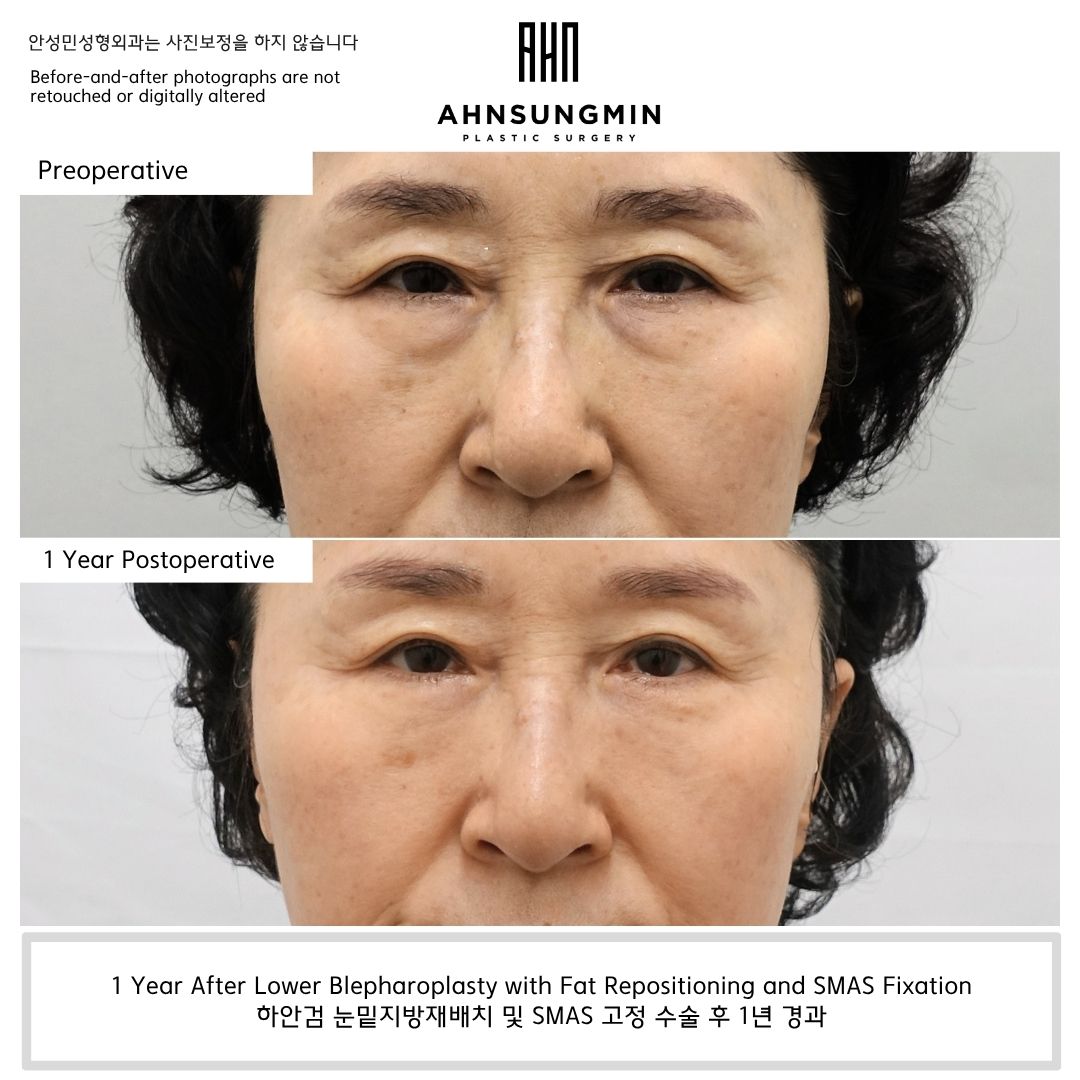
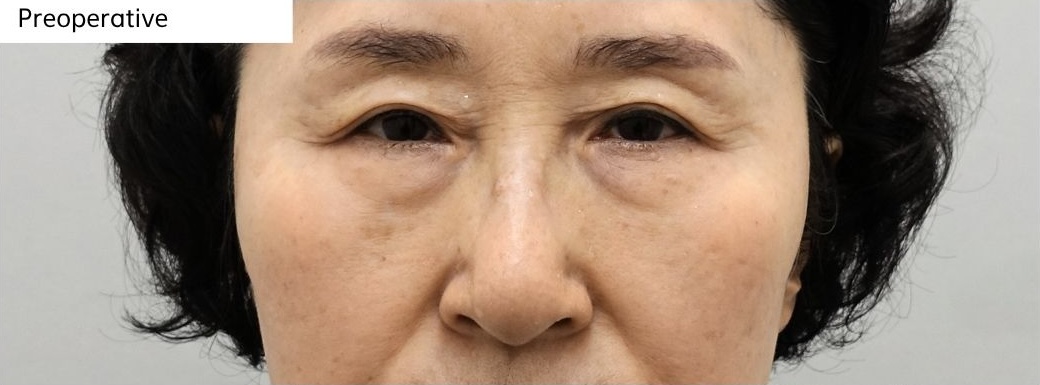
Preoperative
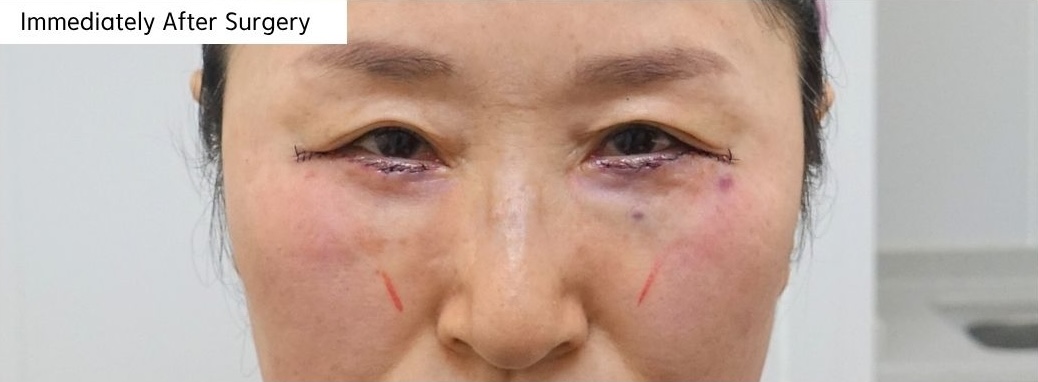
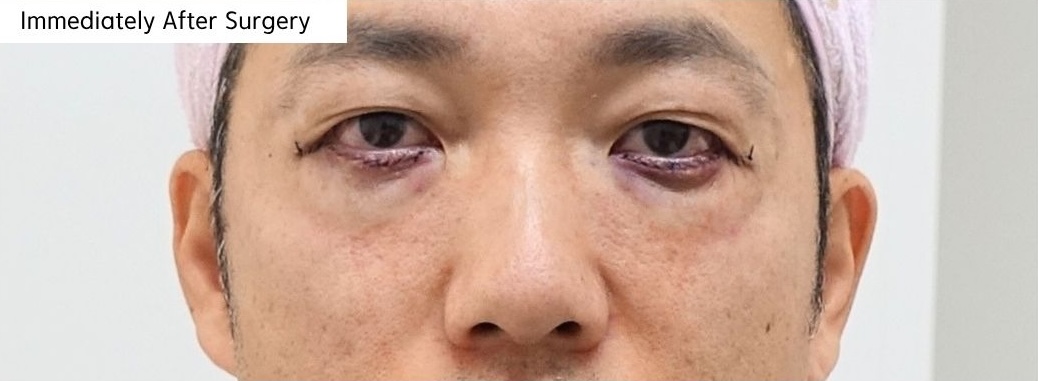
Immediate Postoperative
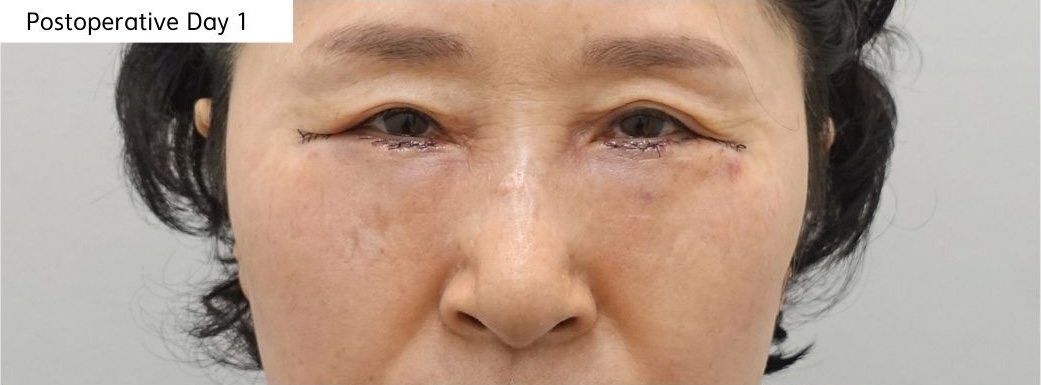
Postoperative Day 1
Postoperative Day 7 (Suture Removal)
Postoperative Day 50
Postoperative Year 1
Lower Eyelid Surgery Recovery Case 3
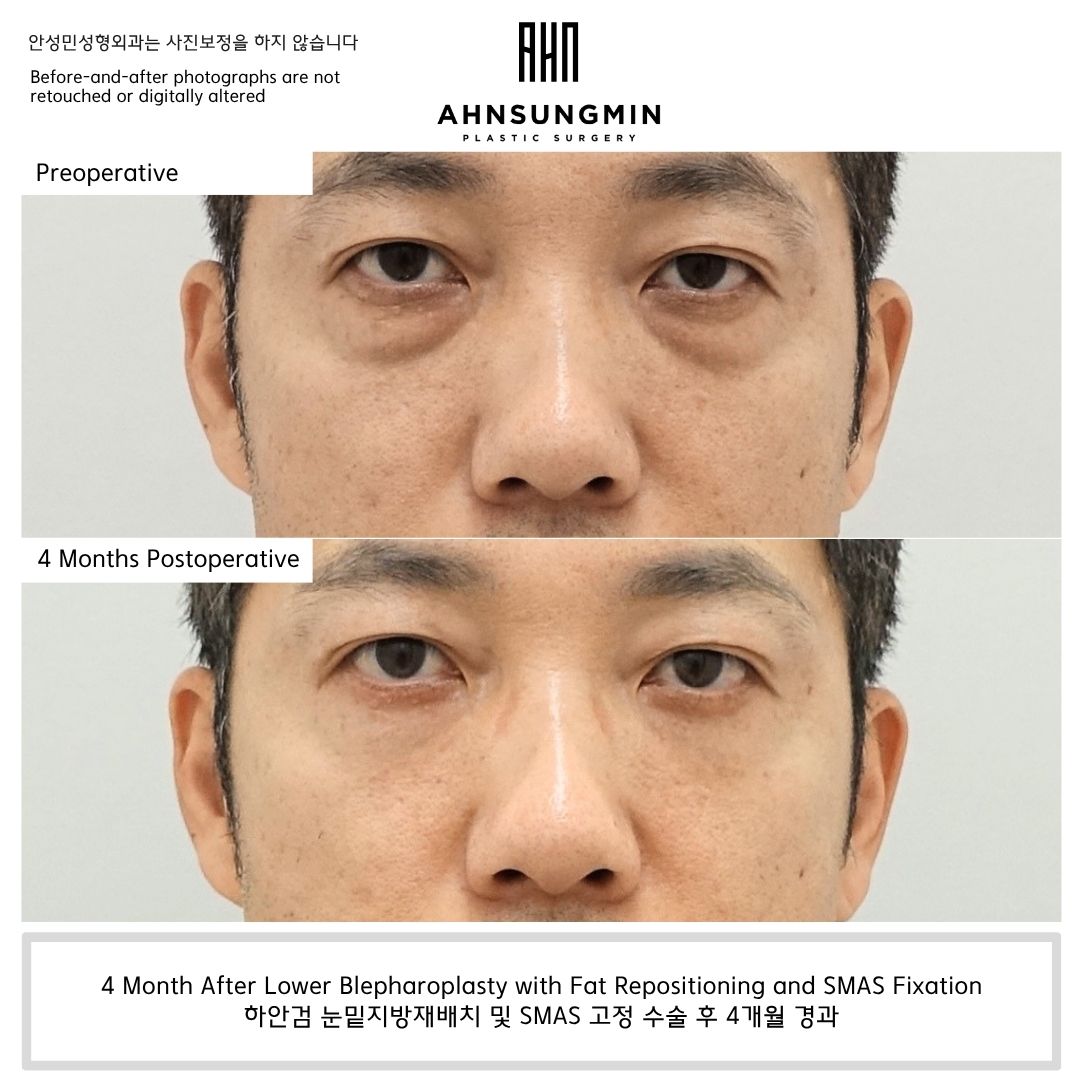
Recovery after lower eyelid surgery does not progress at the same speed for every patient.
Bruising and swelling may improve within weeks, but structural stabilization and scar maturation continue over a much longer period. Because of this, temporary asymmetry or residual puffiness during recovery should not be judged too early.
The healing process becomes clearer gradually as swelling decreases and tissue support stabilizes over time.
Patients often focus on short-term appearance changes, but long-term observation is more important when evaluating the final surgical outcome.
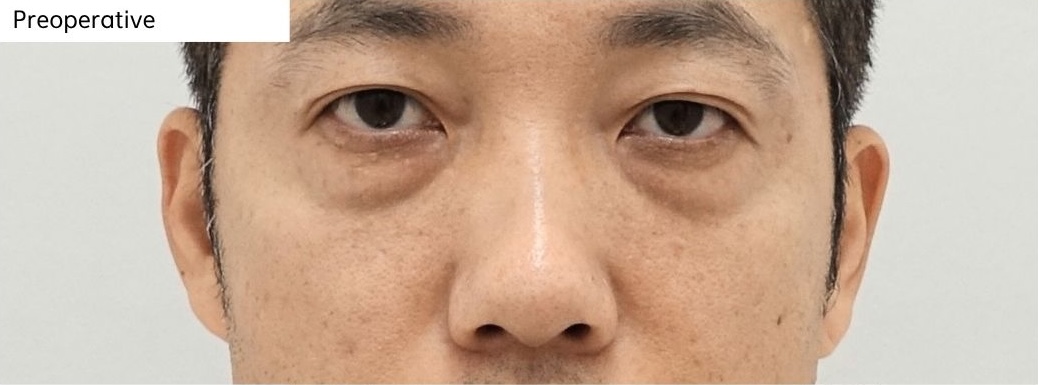
Preoperative appearance before lower eyelid surgery
The lower eyelids are delicate support structures that move constantly throughout the day.
Swelling, scar maturation, muscle adaptation, and tissue stabilization all require time, particularly after fat repositioning or lower blepharoplasty surgery.
International patients visiting Korea for lower eyelid surgery are often surprised that healing continues even after the visible swelling improves.
Even when the under-eye area appears smoother externally, deeper healing and structural stabilization may still be progressing beneath the surface.
This is why long-term observation is often more important than early judgment during the recovery process.
Do Not Judge Lower Eyelid Surgery Too Early
It is common for the under-eye area to appear swollen, uneven, firm, or slightly unnatural during the early recovery phase.
Temporary asymmetry, tightness, or residual puffiness do not necessarily indicate a poor surgical result.
These changes are often part of the normal healing process as swelling subsides and tissues gradually adapt over time.
Premature judgment frequently creates unnecessary anxiety and may lead patients to misunderstand the normal stages of recovery.
Recovery Determines the Final Result
Surgery is only one part of the overall process.
How the tissues heal, soften, and stabilize over time ultimately determines the long-term outcome after lower eyelid surgery.
Patience, careful observation, and proper postoperative management are essential for achieving natural and stable results.
Have More Questions About Lower Eyelid Surgery Recovery?
Every patient heals differently depending on skin condition, swelling tendency, surgical method, and tissue response.
If you are considering lower eyelid surgery in Korea, a personalized consultation is the best way to understand your expected recovery timeline and long-term healing process.
How long does swelling last after lower eyelid surgery?
Swelling is usually most noticeable during the first one to two weeks and gradually improves over the following months. Subtle tissue healing may continue for several months after surgery.
Is tightness normal after lower eyelid surgery?
Yes. Mild tightness or stiffness is common during the early recovery period because the lower eyelid tissues are still adapting and stabilizing after surgery.
When can I see the final result after lower eyelid surgery?
Most patients begin to see a more natural appearance after one to three months, but final stabilization and scar maturation may continue for six months or longer.
Is temporary asymmetry normal during recovery?
Yes. Temporary asymmetry may occur because swelling and tissue healing do not always progress evenly between both sides. In many cases, this gradually improves over time.
Why does lower eyelid recovery sometimes take longer than expected?
The lower eyelids are delicate support structures that require time for swelling reduction, scar maturation, tissue adaptation, and long-term stabilization after surgery.
How long should international patients stay in Korea after lower eyelid surgery?
The recommended stay depends on the surgical method and recovery condition. Many international patients remain in Korea until suture removal and early postoperative evaluations are completed.