When Fullness Is Not the Goal.
In many patients, upper eyelid hollowing is often misunderstood as a simple issue of volume loss. As a result, treatments are frequently directed toward filling—typically with fat grafting or fillers. Many patients search for solutions to hollow eyelids assuming volume loss, but structural imbalance is often the underlying cause.
However, this approach does not always address the underlying cause.
In reality, the problem is often not a lack of volume, but a displacement or imbalance of existing fat. When the structural relationship within the eyelid changes, it creates the appearance of hollowing—even when sufficient tissue is still present.
This is where a different approach becomes necessary.
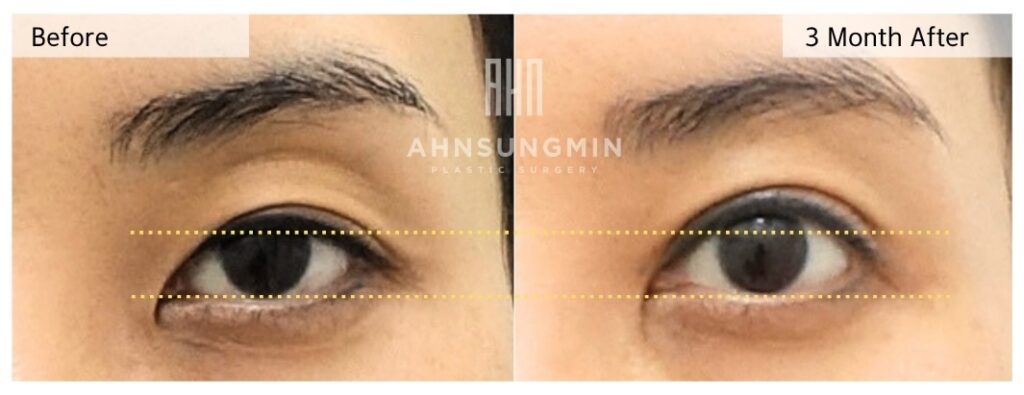
Repositioning Instead of Adding.
Rather than introducing new volume, upper eyelid fat repositioning focuses on restoring the natural distribution of existing tissue. The goal is not to make the eyelid appear fuller, but to correct the structural imbalance that led to the hollow appearance.
This distinction is critical. Adding volume without addressing structure can lead to unnatural fullness, asymmetry, or long-term instability. In contrast, repositioning respects the existing anatomy and works within its limitations.
For a detailed explanation of how this structural approach is applied,
upper eyelid fat repositioning
The Importance of Structural Judgment.
Not every hollow eyelid should be filled. In some cases, restraint is the more appropriate decision. Understanding when to reposition, when to preserve, and when not to intervene is what defines a stable and natural result.
Surgery in this area is not about creating volume—it is about restoring balance.
→ Request a Hollow Eyelid Evaluation
Upper eyelid hollowing is often mistaken for volume loss, but in many cases, the issue lies in structural imbalance rather than tissue deficiency.
Restoring the natural distribution of existing fat—rather than adding volume—is often the key to achieving a stable and natural result.
Internal References
Why Volume Loss Is Often Misdiagnosed in Eyelid Surgery
How Upper Eyelid Structure Affects Hollow Appearance
When Hollow Eyelids Should Not Be Filled
How Fat Repositioning Restores Natural Eyelid Balance
Frequently Asked Questions
What causes upper eyelid hollowing?
Upper eyelid hollowing is often caused by structural imbalance or displacement of fat rather than true volume loss.
Is filler the best treatment for hollow eyelids?
Not always. Adding volume without addressing structural imbalance can lead to unnatural fullness or asymmetry.
What is fat repositioning in eyelid surgery?
Fat repositioning is a technique that redistributes existing fat to restore natural contour instead of adding new volume.
Can hollow eyelids be corrected without adding volume?
Yes. In many cases, repositioning existing tissue can improve the appearance without increasing volume.
When should I consider surgery for hollow eyelids?
Surgery may be considered when hollowing persists and is caused by structural imbalance rather than temporary changes.
