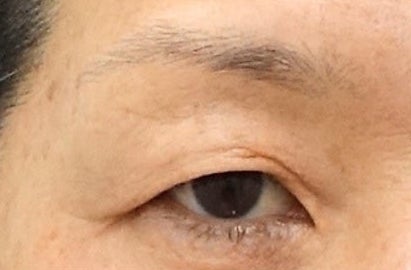
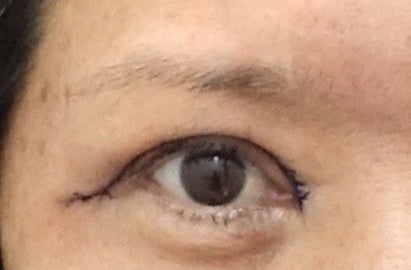
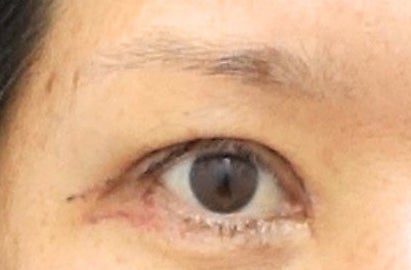
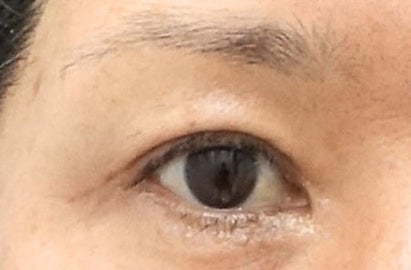
Heavy upper eyelids are not always caused by loose skin alone. Ptosis, brow compensation, age-related changes, and previous surgery can all contribute to the way the eyelids look and function.
At AHNSUNGMIN Plastic Surgery, every upper blepharoplasty begins with identifying the underlying cause—creating results that are natural, functional, and stable over time.
Heavy upper eyelids are not always caused by excess skin alone. Successful upper blepharoplasty begins with understanding the underlying cause before selecting the most appropriate treatment— helping restore both function and a natural appearance.
Cause-Based Evaluation Every procedure begins with identifying the true cause of eyelid heaviness.
Personalized Planning Each surgical plan is tailored to the patient's anatomy, function, and aging pattern.
Tissue Preservation Healthy tissue is preserved whenever possible to support long-term stability.
Functional Balance Our goal is to improve both eyelid function and natural appearance without overcorrection.
One-Surgeon Care One surgeon guides every step—from consultation through surgery and long-term follow-up.
UPPER EYELID SURGERY
Why Upper Eyelids Become Heavy.
Heavy upper eyelids are often assumed to be caused by excess skin alone.
In reality, the underlying cause may involve ptosis, brow compensation, changes in orbital fat, previous surgery, or the natural aging process.
Because every patient presents with a different combination of these factors, successful upper blepharoplasty begins with understanding the underlying anatomy—not simply removing more skin.
The goal is to restore natural eyelid balance while preserving healthy tissue, function, and long-term stability.
Our Surgical Approach.
Upper blepharoplasty should never follow a routine formula.
Some patients benefit from skin removal alone, while others require ptosis correction, fat preservation, or a combination of procedures to restore natural eyelid function.
Every treatment plan is individualized according to the patient’s anatomy, eyelid function, skin quality, and long-term goals.
Our objective is not simply to create a larger eyelid crease.
It is to restore comfortable eyelid function while maintaining a natural appearance that remains stable over time.
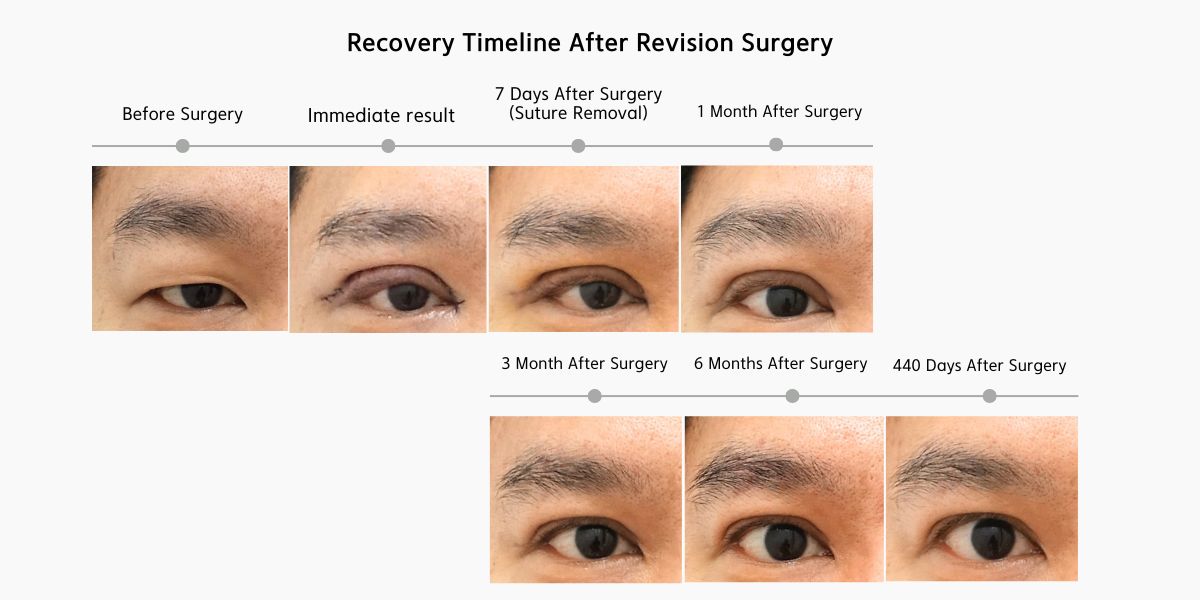
UPPER BLEPHAROPLASTY RECOVERY TIMELINE
Natural Results Develop Gradually.
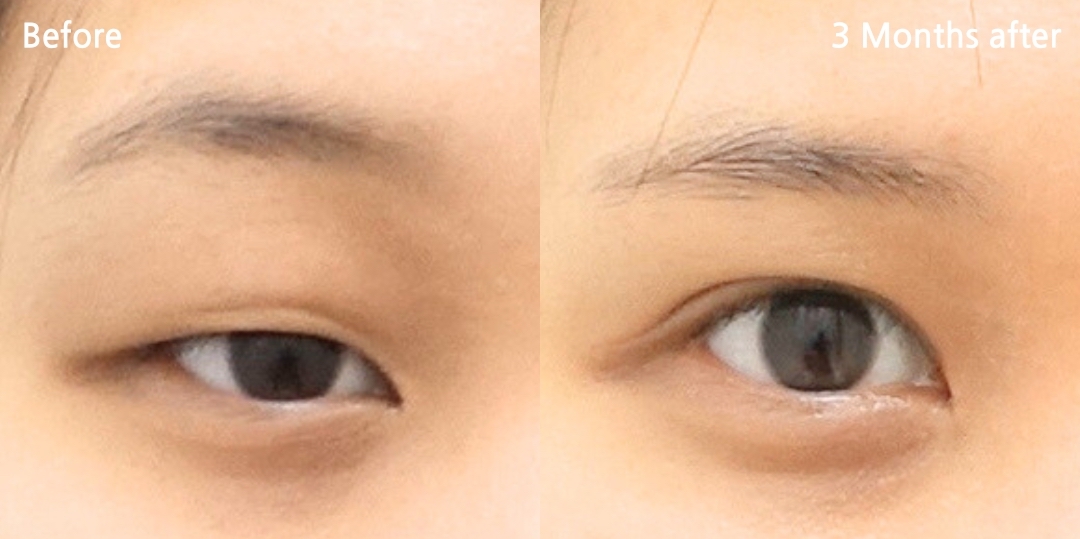
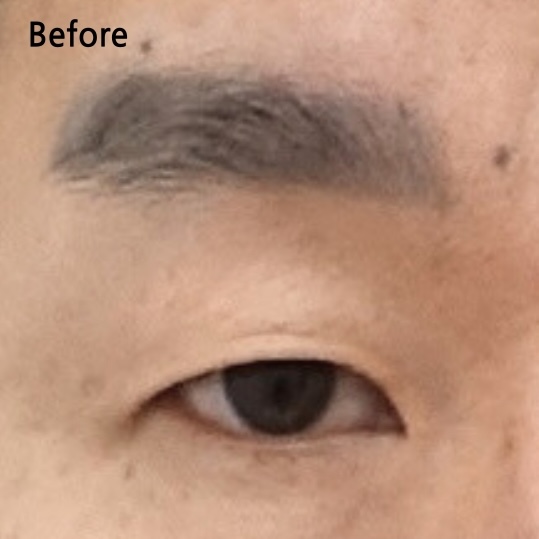
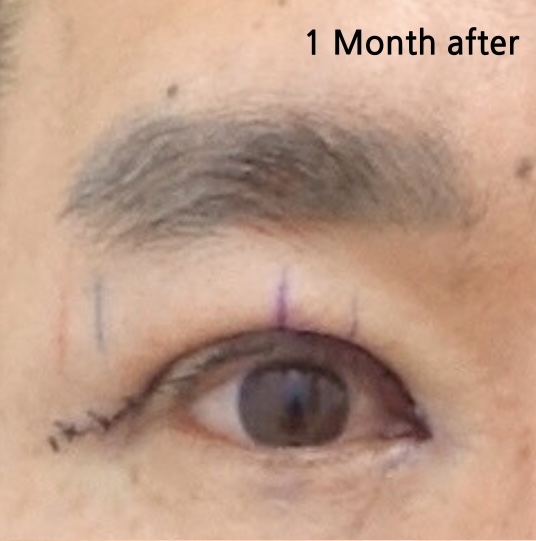
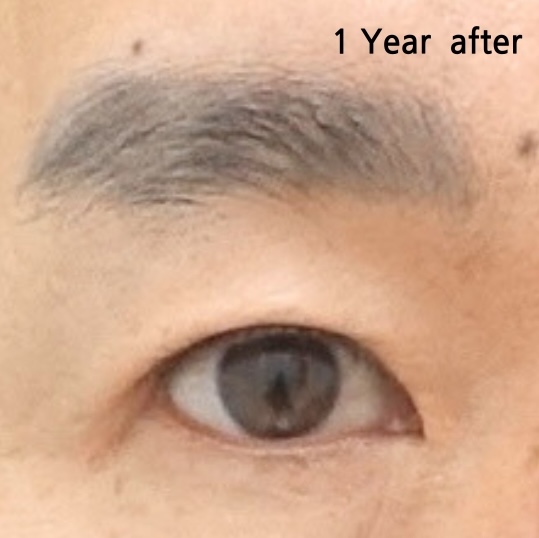
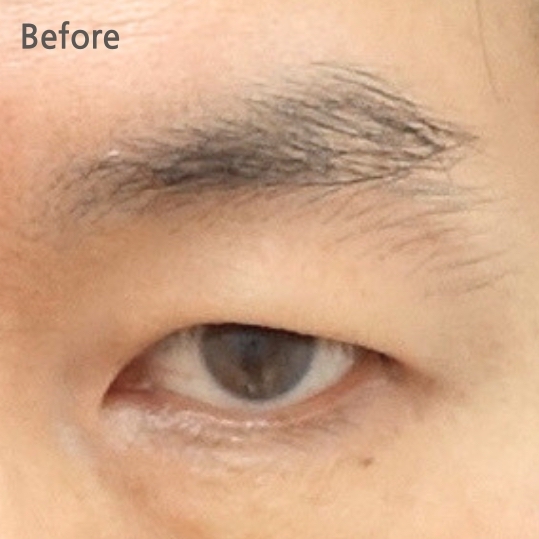
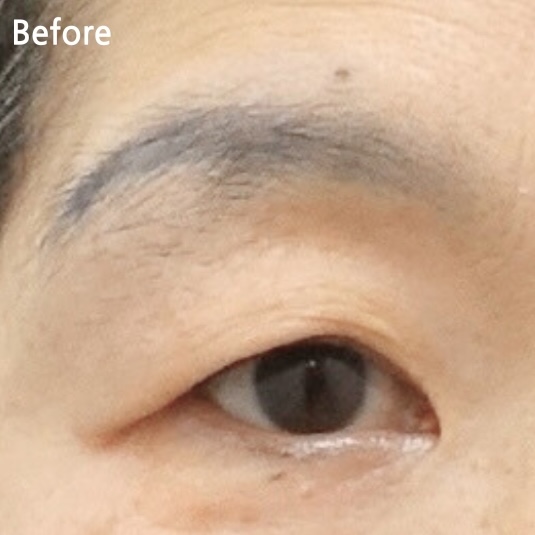
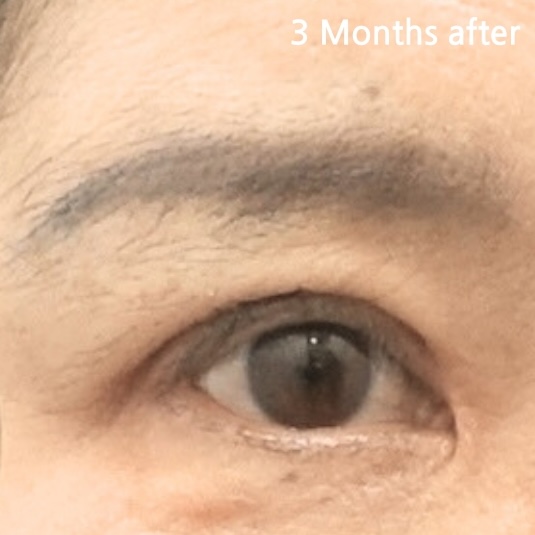
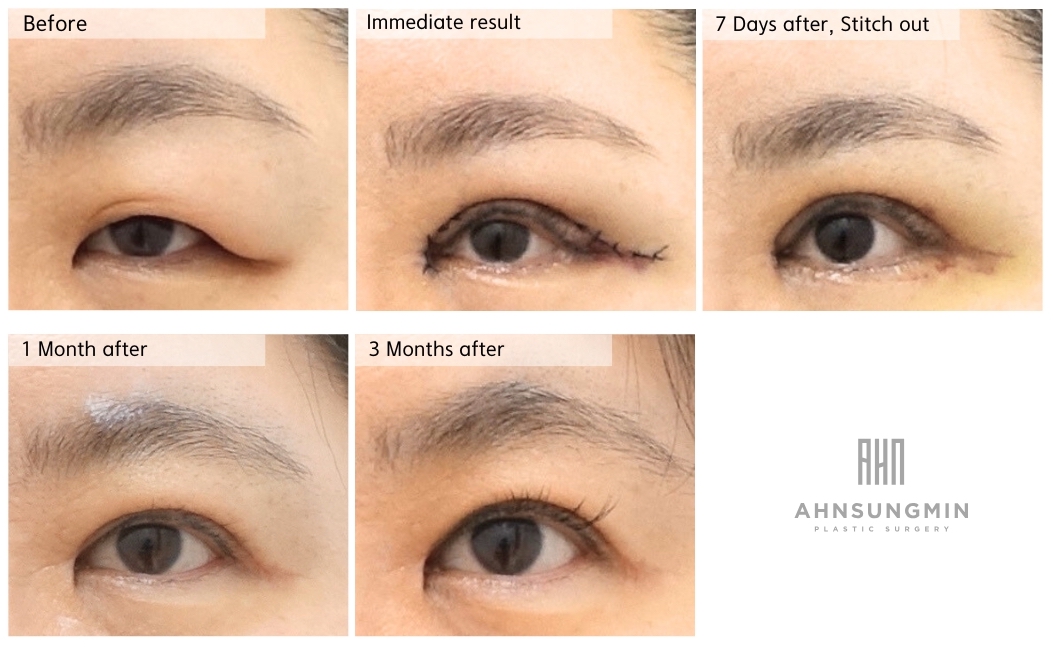
Upper blepharoplasty recovery is a gradual process rather than an immediate transformation. As swelling resolves and the eyelid tissues settle, the eyelid crease becomes more natural, comfortable, and balanced. For this reason, surgical results should be evaluated over several months—not during the early stages of recovery.
CASE 1
Why Our Approach Is Different.
Successful upper blepharoplasty is determined long before surgery begins.
Careful evaluation allows us to identify whether heavy eyelids are caused by excess skin, weakened eyelid muscles, brow compensation, previous surgery, or a combination of factors.
Treating the correct cause helps avoid unnecessary tissue removal while creating results that look natural, function comfortably, and age more predictably.
Successful upper blepharoplasty is determined long before surgery begins.
Careful evaluation allows us to identify whether heavy eyelids are caused by excess skin, weakened eyelid muscles, brow compensation, previous surgery, or a combination of factors.
Treating the correct cause helps avoid unnecessary tissue removal while creating results that look natural, function comfortably, and age more predictably.
Patients visit AHNSUNGMIN Plastic Surgery from around the world for individualized upper eyelid surgery.
Our team provides online evaluations, personalized treatment planning, and coordinated support before you travel to Korea.
Sharing your photographs in advance allows us to better understand your eyelid anatomy and prepare for a more meaningful consultation.
Procedure Time:
Approximately 90 Minutes
Approach:
Tailored to the Patient’s Anatomy
Hospital Stay:
Not Required
Suture Removal:
Approximately 5-7 Days
Recovery:
Return to Daily Activities in About 7 Days
Anesthesia:
Local Anesthesia
Upper Eyelid Surgery
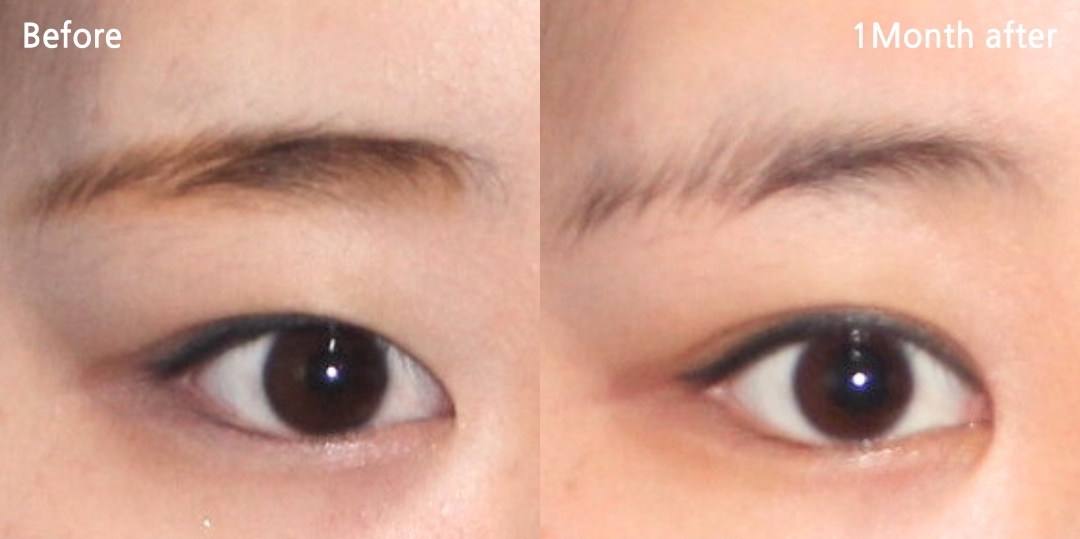
1 Month after
3 Months after
Upper Eyelid Surgery Process
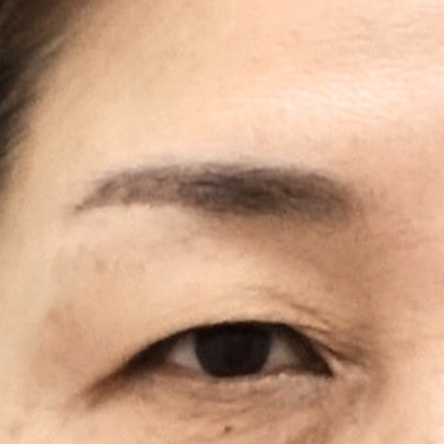
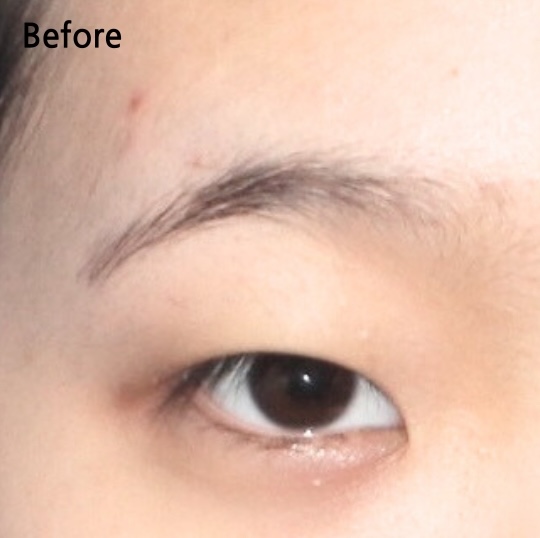
Before
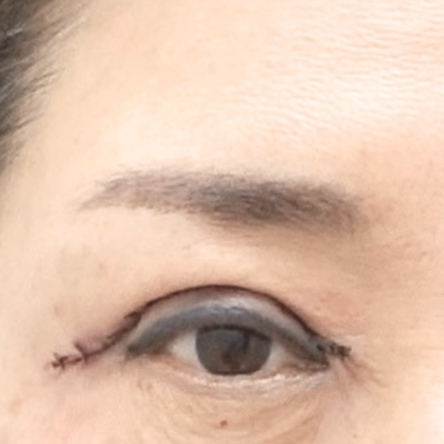
Immediate result
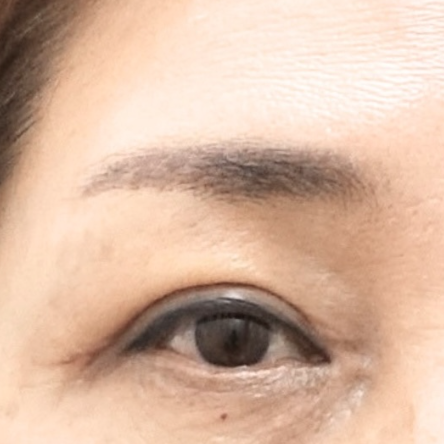
7 Days after, Stitch out
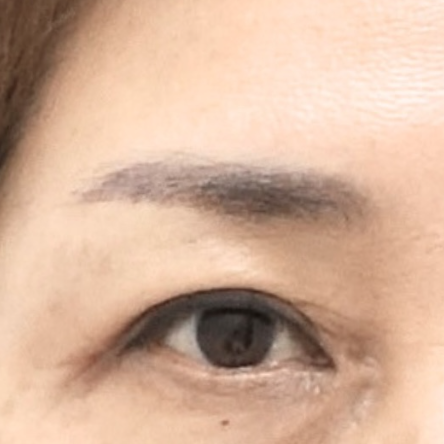
1 Years after
Upper Eyelid Surgery Process
Before
Immediate result
7 Days after, Stitch out
1 Month after
Upper Eyelid Surgery Process
Before
Immediate result
7 Days after, Stitch out
1 Month after
3 Months after
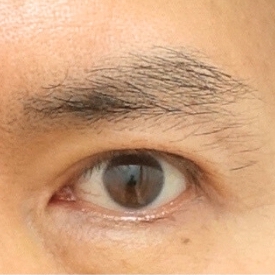
Man in his 50s
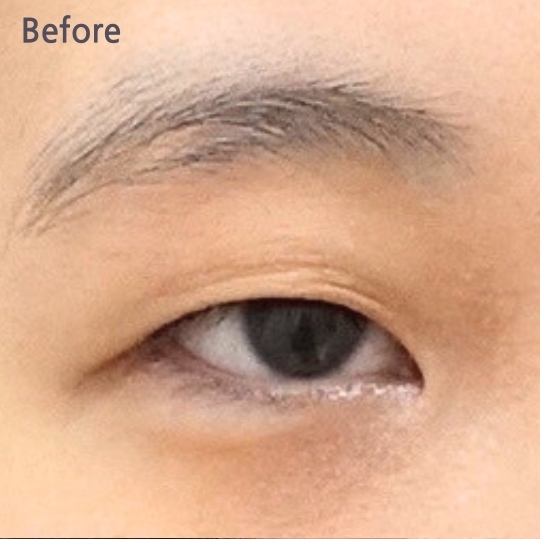
Before
After
3 Months after
Woman in her 60s
Before
After
Woman in her 20s
Before
After
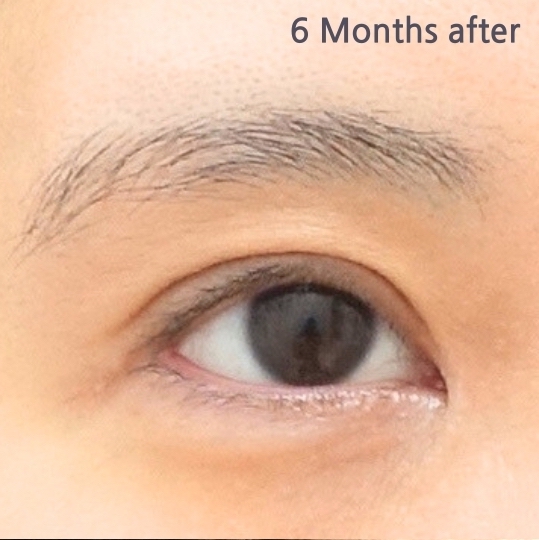
6 Months after
Woman in her 30s
Before
After
Upper eyelid surgery for patient with excess eye fat
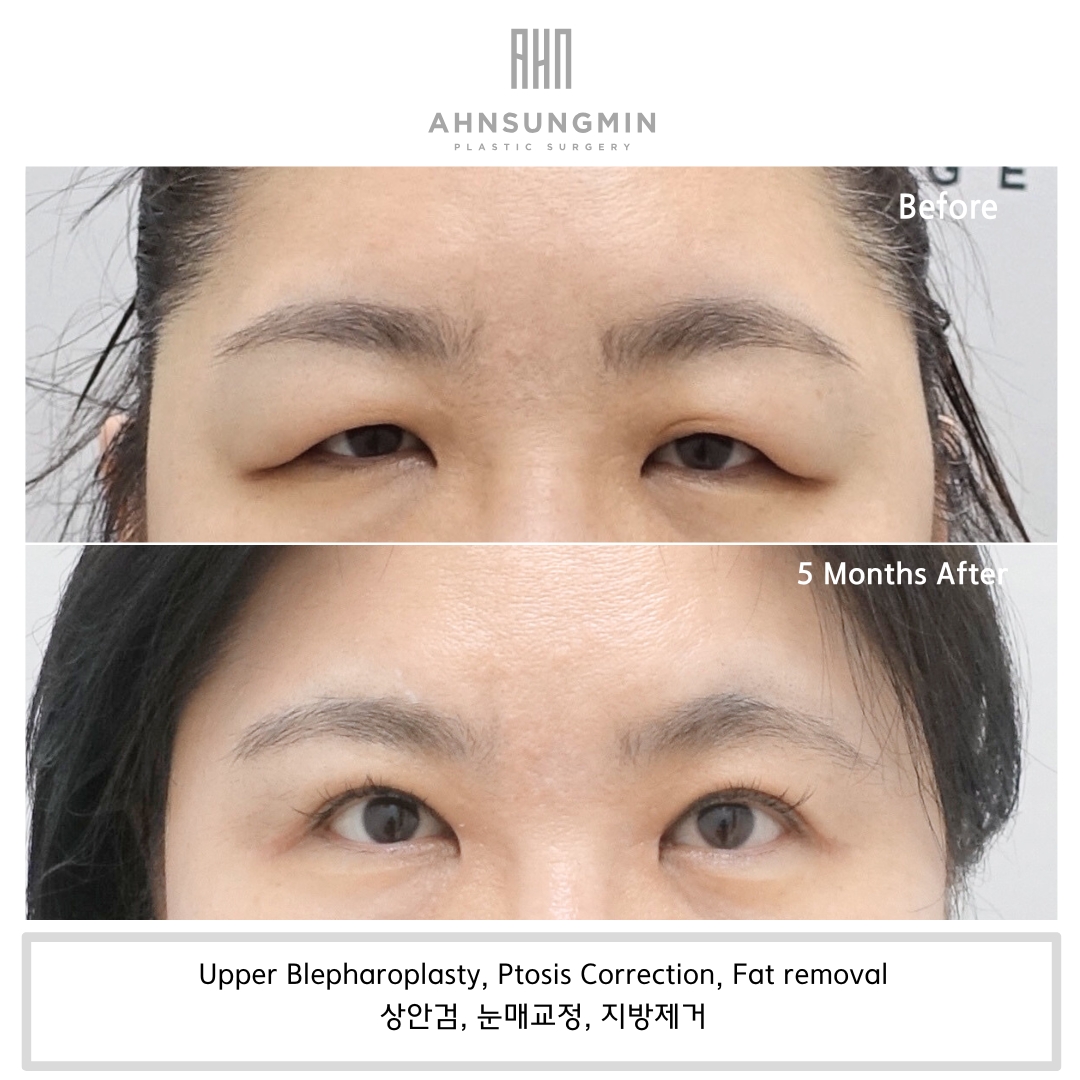
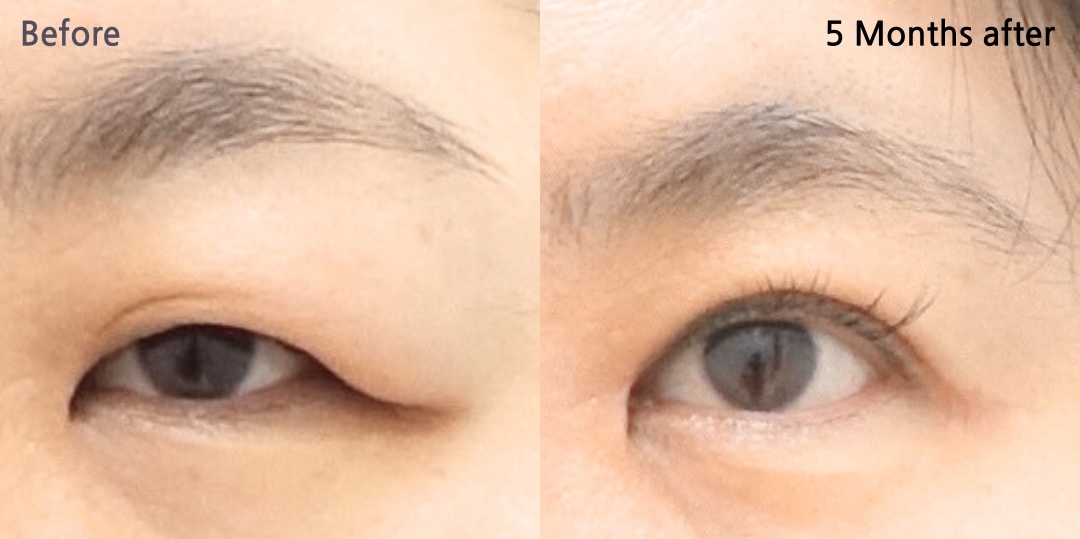
50 Days Post-Operation Upper Blepharoplasty, Ptosis Correction, Fat removal
If there is excessive eyelid fat, fat removal is necessary
Process of eyelid fat removal surgery
UPPER BLEPHAROPLASTY IN KOREA
REQUEST AN UPPER EYELID EVALUATION
Heavy upper eyelids can have different causes. Share your photos and concerns for a personalized evaluation to determine the most appropriate treatment.
Online Consultation Available for International Patients
Ahnsungmin Surgical Philosophy
At Ahnsungmin Plastic Surgery, eyelid surgery is approached through careful structural analysis rather than simply focusing on cosmetic change.
Many eyelid conditions such as ptosis, eyelid hollowing, lower eyelid bags, or postoperative imbalance are closely related to the underlying anatomy of the eyelid.
Our surgical philosophy focuses on restoring natural balance while preserving healthy tissue and achieving long-term structural stability.
Request a Personalized Upper Eyelid Evaluation
Share your photos to help us understand what is causing your heavy eyelids.
Contact
Phone: +82-2-414-1114 (korea)
WhatsApp: +82-10-8498-0462 (English)
Address
4, Olympic-ro 12-gil, Songpa-gu, Seoul, Republic of Korea