Choosing the Best Lower Eyelid Surgeon in Korea
The best lower eyelid surgeon is not defined by one surgical technique. Successful lower blepharoplasty begins with accurate diagnosis, individualized surgical planning, and long-term structural stability.
Every patient presents a unique combination of eye bags, skin laxity, tear trough hollowing, lower eyelid support, and facial anatomy. Rather than pursuing aggressive tissue removal, the goal should be natural improvement through tissue preservation, structural balance, and long-term stability.
How to Choose the Best Lower Eyelid Surgeon in Korea
Choosing the best lower eyelid surgeon is not simply about finding someone who performs lower blepharoplasty. It is about selecting a surgeon who understands facial anatomy, accurately diagnoses the underlying causes of under-eye aging, and creates a treatment plan focused on tissue preservation, structural support, and long-term stability rather than aggressive tissue removal.
Structural Diagnosis
Every successful lower eyelid procedure begins with understanding why eye bags, hollowing, or skin laxity developed before deciding how to treat them.
Individualized Planning
Every lower eyelid ages differently. Surgical planning should be individualized according to anatomy, tissue quality, fat position, and lower eyelid support.
Long-Term Stability
A successful result should continue to look balanced over time—not only in the first few weeks after surgery.
One-Surgeon Care
From consultation through surgery and follow-up, every step is personally performed and guided by Dr. Ahnsungmin.
What Makes a Lower Eyelid Surgeon Different?
Many surgeons perform lower blepharoplasty. However, the best lower eyelid surgeon is distinguished not by performing a particular technique, but by understanding when each technique is appropriate.
A lower eyelid surgeon should evaluate every patient individually rather than recommending the same procedure for everyone. A comprehensive evaluation may include:
- Lower eyelid support
- Skin quality and elasticity
- Orbital fat position
- Tear trough anatomy
- Midface support
- Facial balance
- Previous eyelid surgery
- Healing potential
Only after carefully evaluating these factors can an individualized surgical plan be developed. The goal is not to apply the same procedure to every patient, but to recommend the approach that best matches each patient’s anatomy and long-term needs.
Why Choosing the Right Surgeon Matters More Than Choosing a Technique
Patients often compare surgical techniques such as fat removal, fat repositioning, or skin tightening when considering lower eyelid surgery. While these techniques are important, the long-term outcome depends less on the procedure itself and more on the surgeon’s ability to determine which approach is most appropriate for your individual anatomy.
Successful lower blepharoplasty begins with understanding the cause of under-eye aging—not simply selecting a preferred technique. Factors such as skin quality, lower eyelid support, orbital fat position, tear trough anatomy, midface support, and facial balance should all be evaluated before a treatment plan is developed.
The best lower eyelid surgeon does not perform the same operation on every patient. Instead, every surgical decision should be based on accurate diagnosis, individualized planning, and the goal of achieving natural, stable, and long-lasting results.
Questions You Should Ask Before Choosing a Lower Eyelid Surgeon
Choosing the right lower eyelid surgeon is also about asking the right questions during your consultation. Rather than focusing on a single surgical technique, patients should understand how their anatomy is evaluated and why a particular treatment plan is recommended.
The following questions can help you better understand your surgeon’s decision-making process and whether the proposed treatment is truly individualized for your anatomy.
Does every patient need fat repositioning?
No. Fat repositioning is an excellent option for many patients, but it is not appropriate for everyone. The decision should depend on your anatomy, fat position, tear trough depth, and lower eyelid support rather than a routine surgical preference.
How is lower eyelid support evaluated?
Lower eyelid stability is influenced by muscle tone, supporting structures, skin quality, and facial anatomy. Evaluating these factors helps determine the safest and most effective surgical plan.
Is preserving tissue more important than removing it?
In many patients, preserving healthy tissue provides more natural and longer-lasting results than aggressive fat or skin removal. The goal is to restore balance while maintaining structural support.
What happens if too much skin or fat is removed?
Excessive tissue removal may increase the risk of hollowing, lower eyelid retraction, or an unnatural appearance. Conservative tissue preservation often contributes to greater long-term stability.
Who performs every step of treatment?
Consistency matters. Dr. Ahnsungmin personally conducts the consultation, performs the surgery, and oversees postoperative follow-up, allowing every stage of care to be guided by the same surgical judgment.
The consultation process should help patients understand not only what procedure is recommended, but also why it is the most appropriate choice for their individual anatomy.
Every Patient Requires a Different Surgical Plan
No two lower eyelids age in exactly the same way. Some patients benefit from fat repositioning, while others require skin tightening, structural support, or a combination of procedures. The most appropriate treatment always depends on careful diagnosis rather than applying the same surgical technique to every patient.
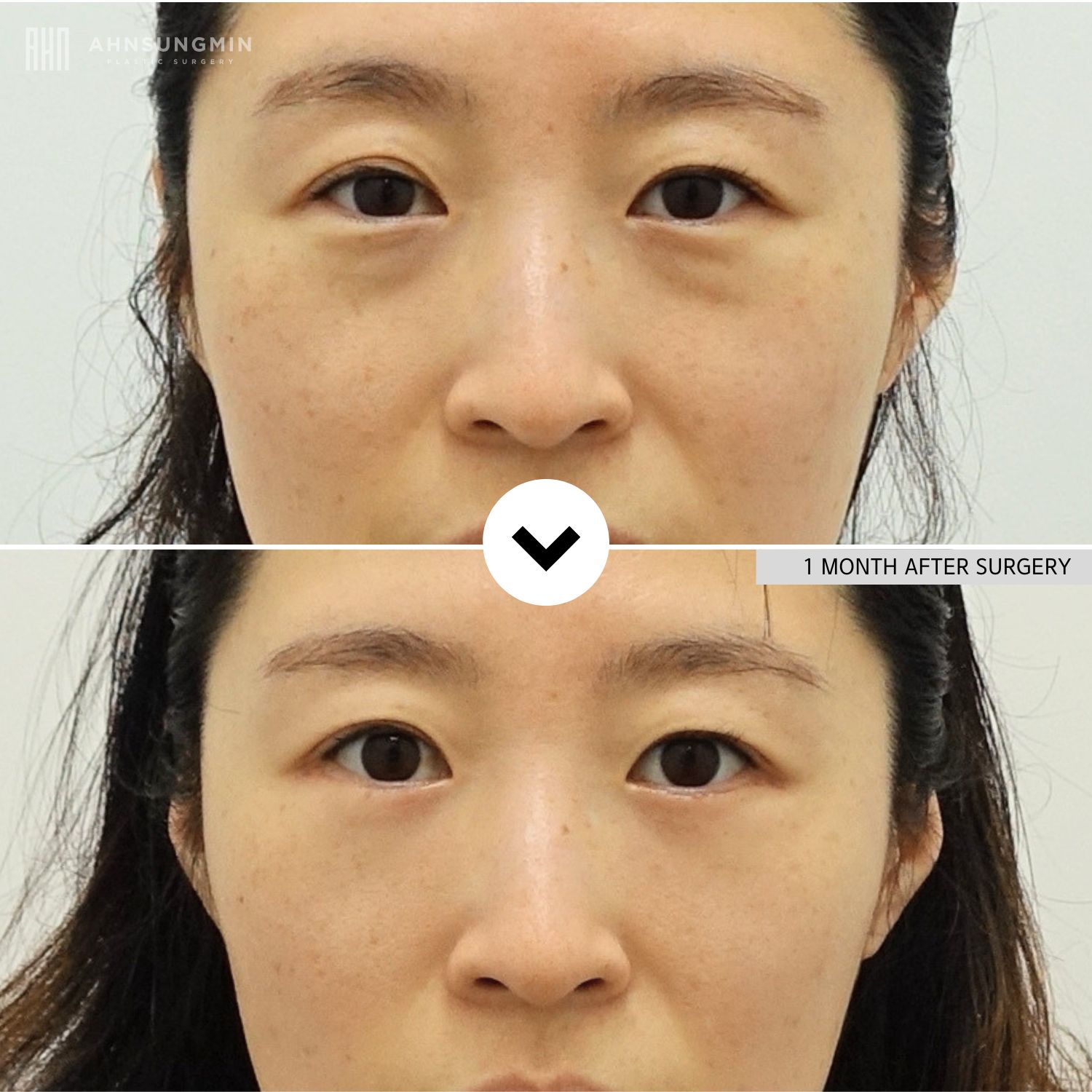
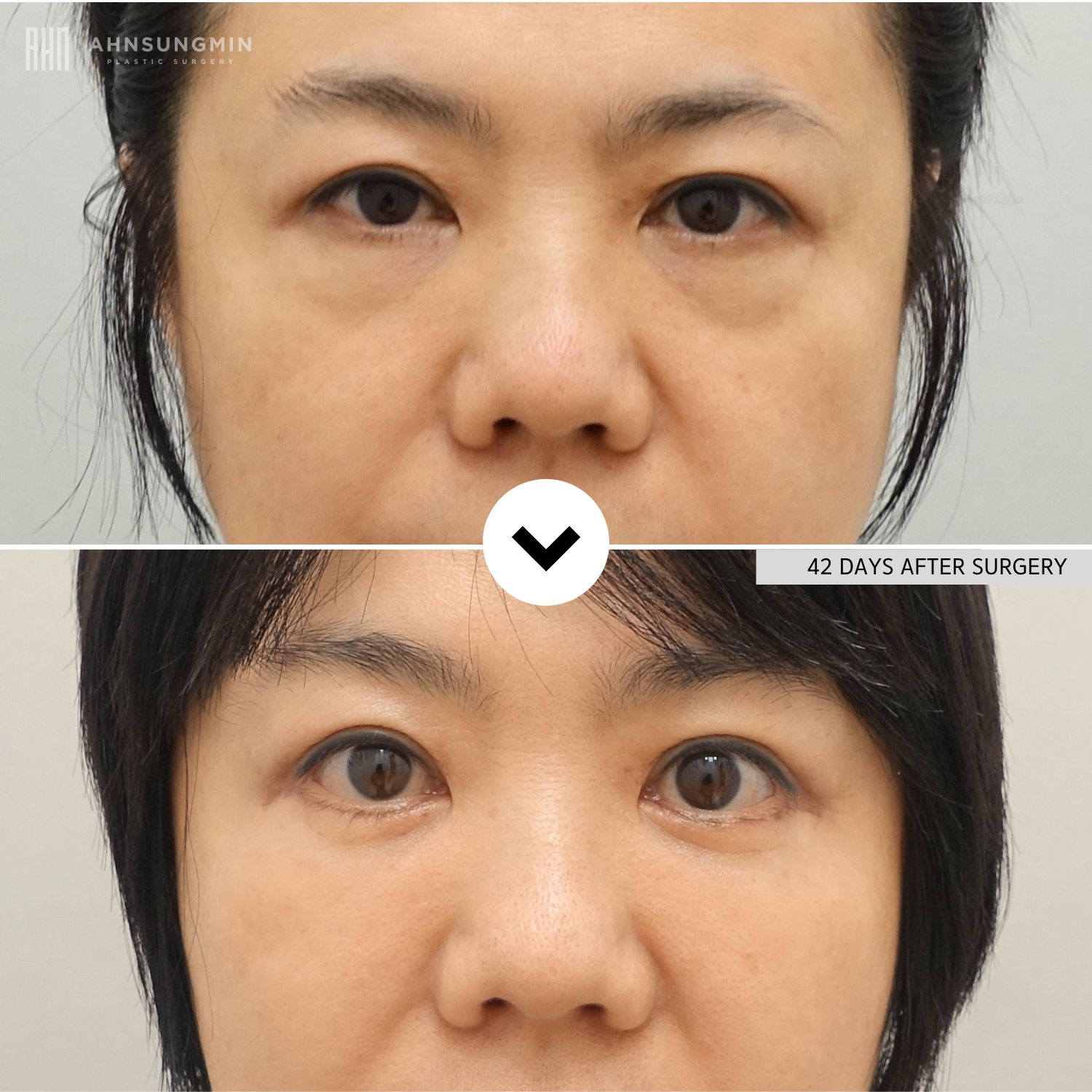
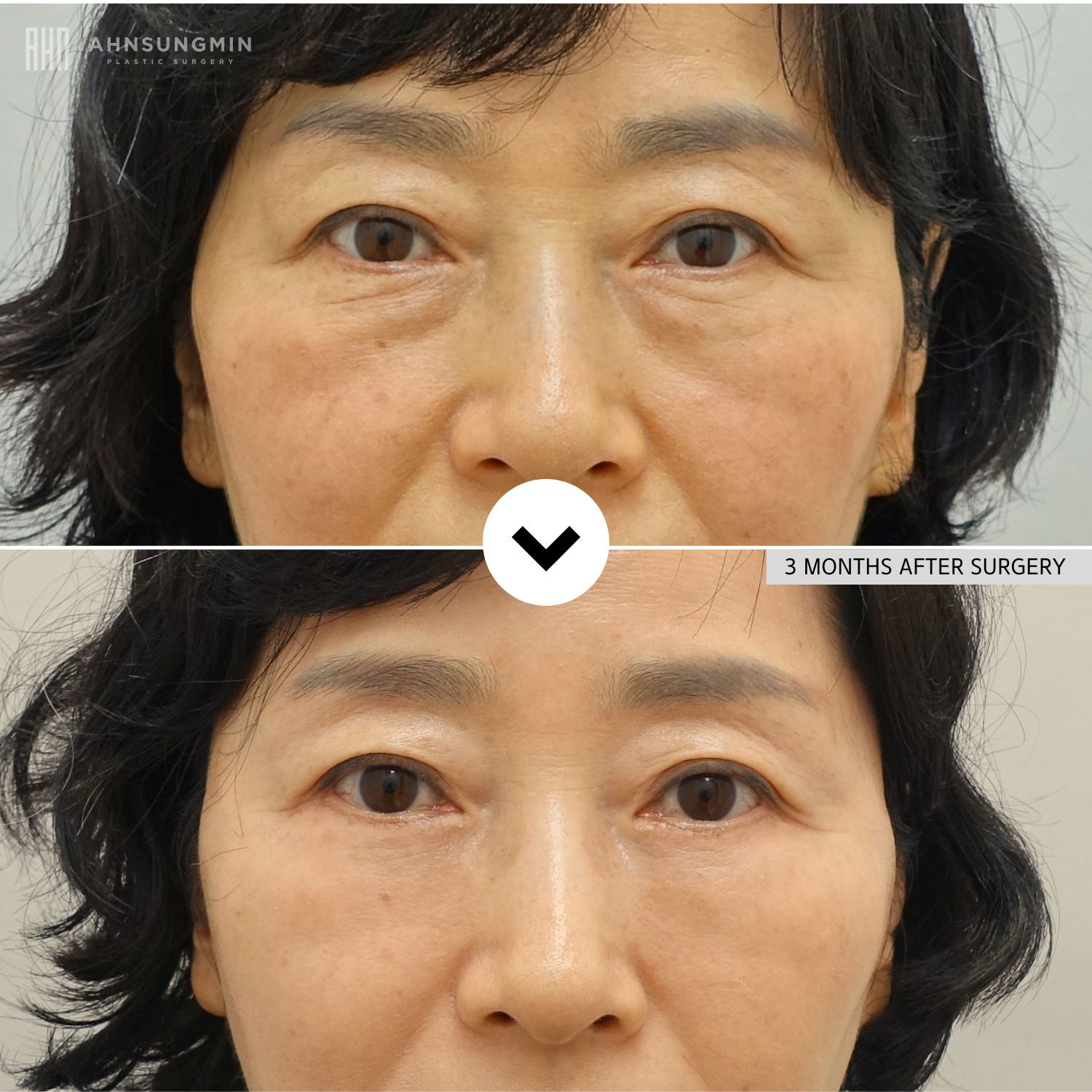
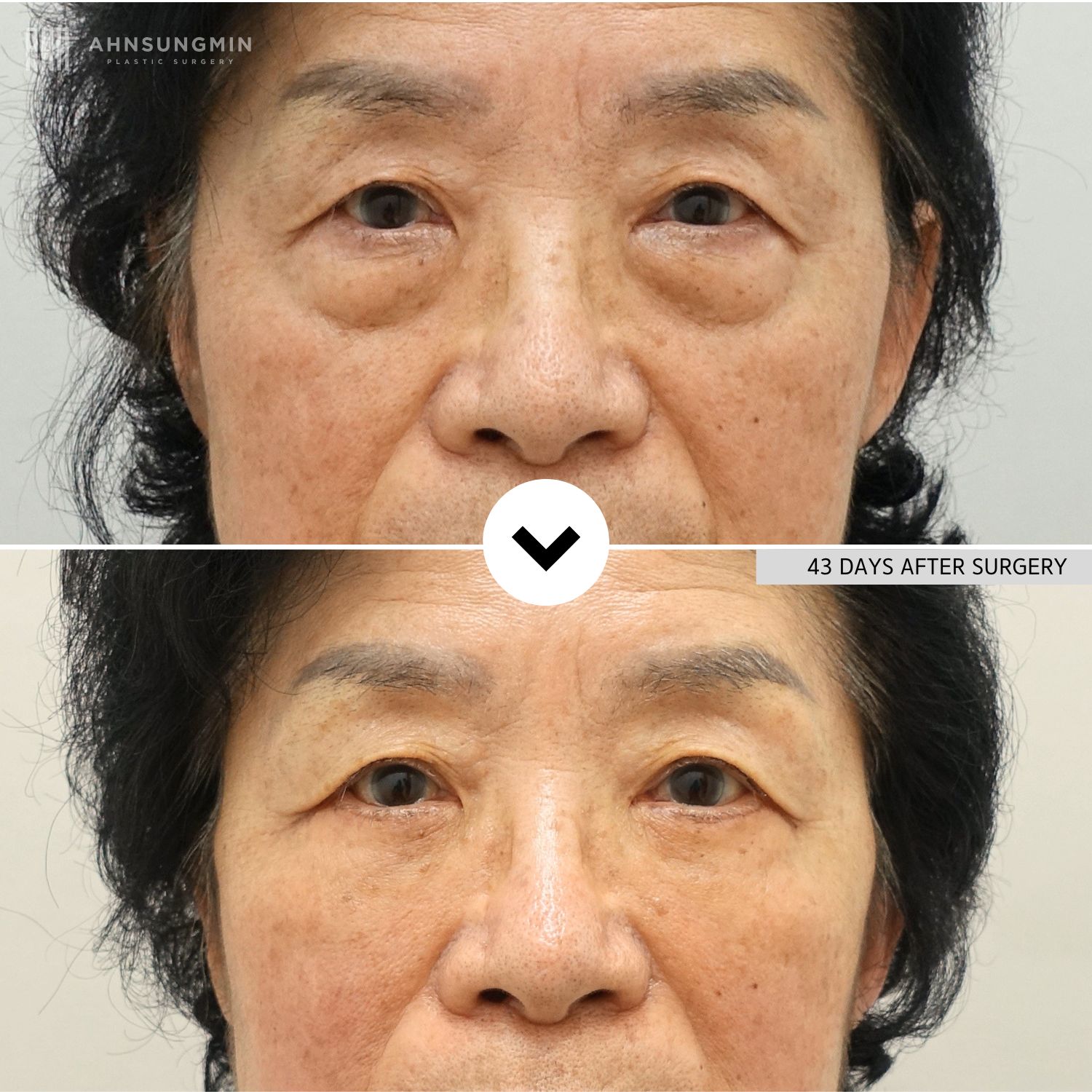
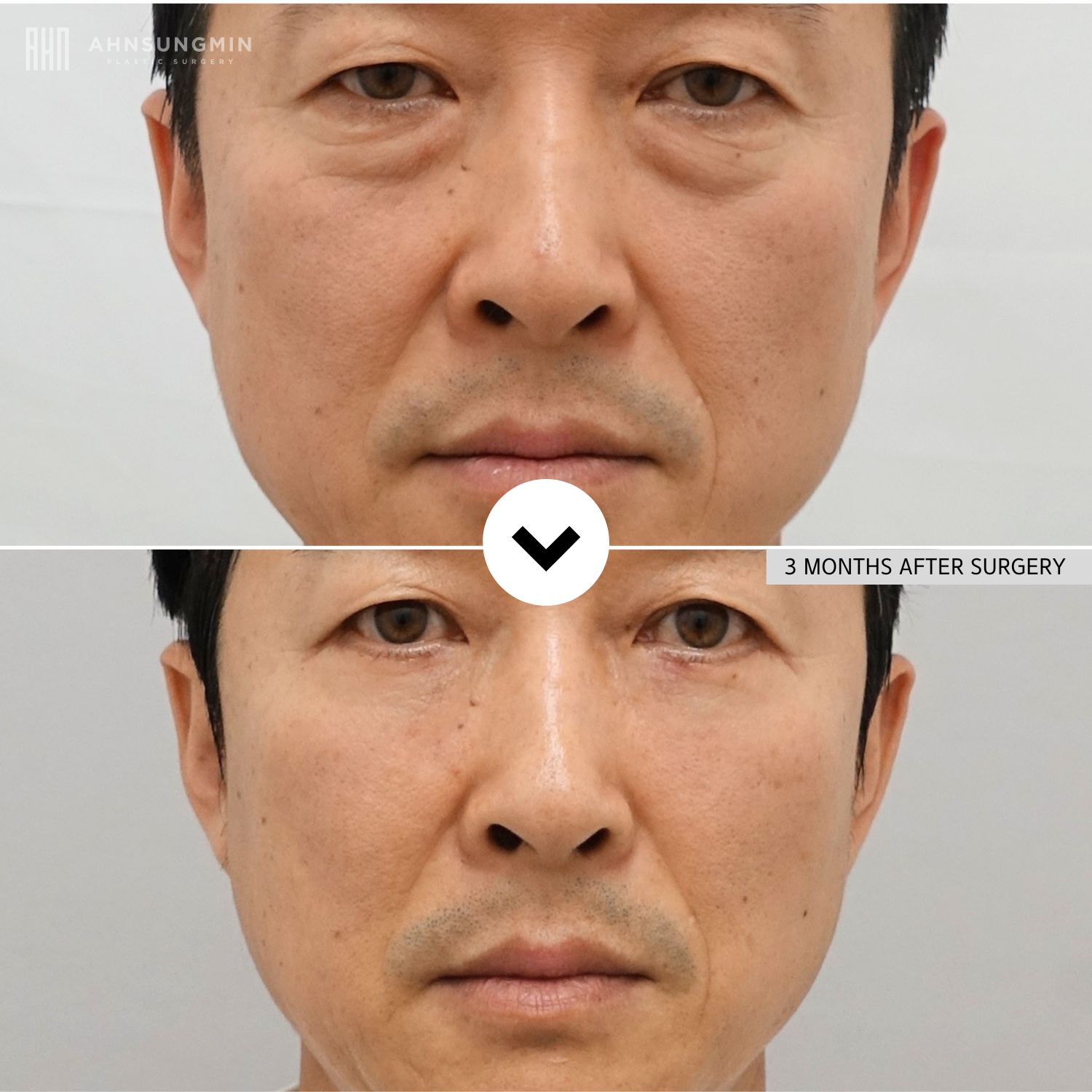
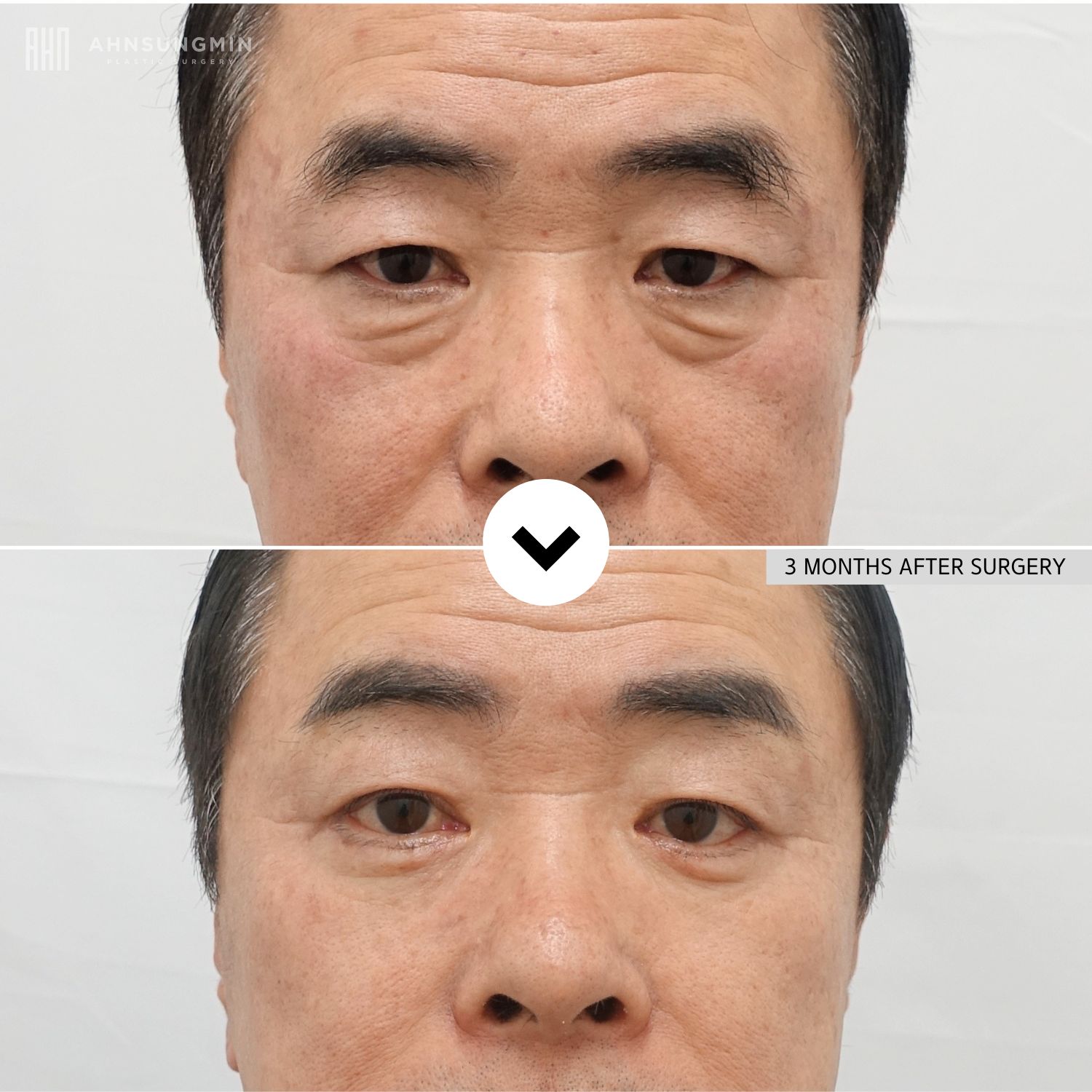
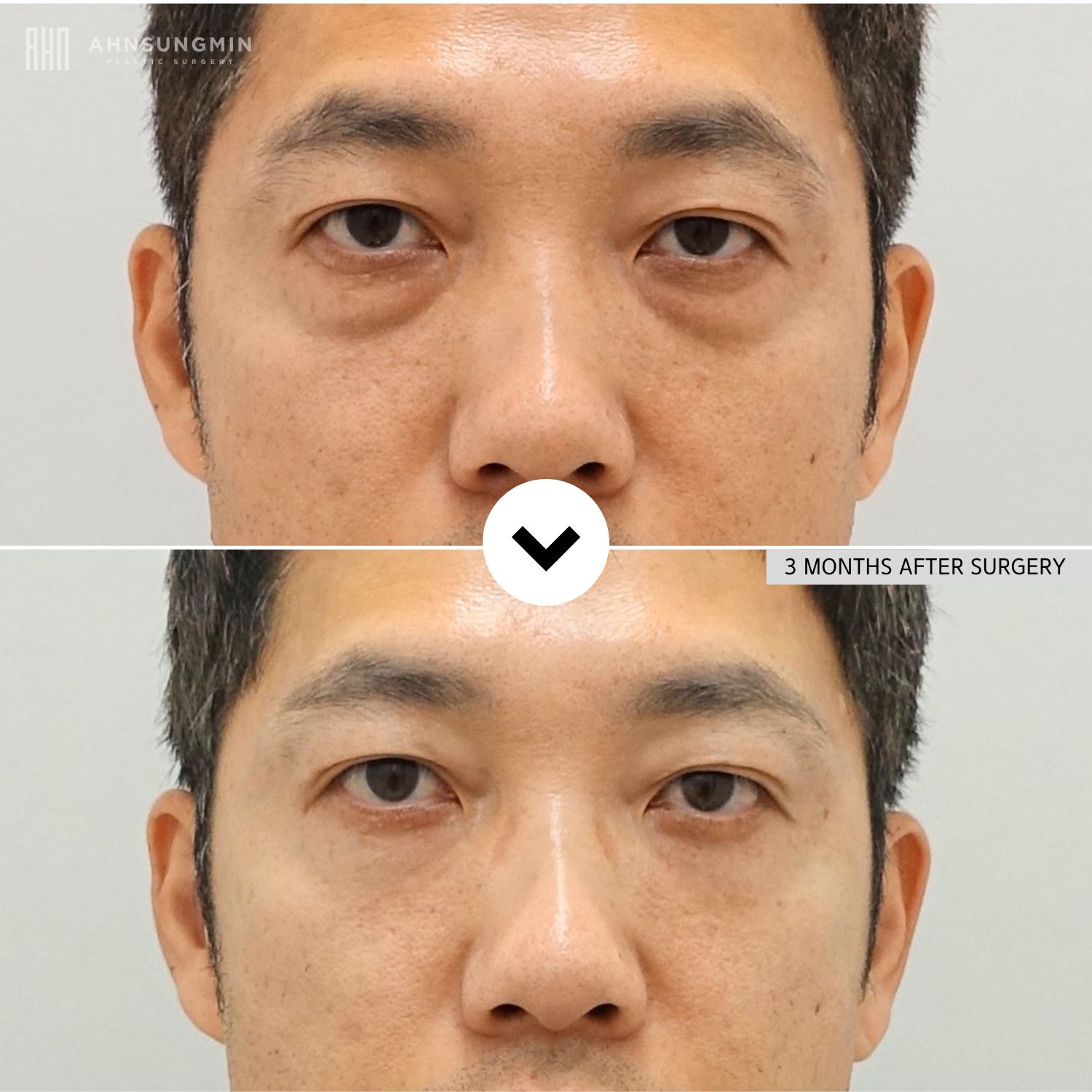
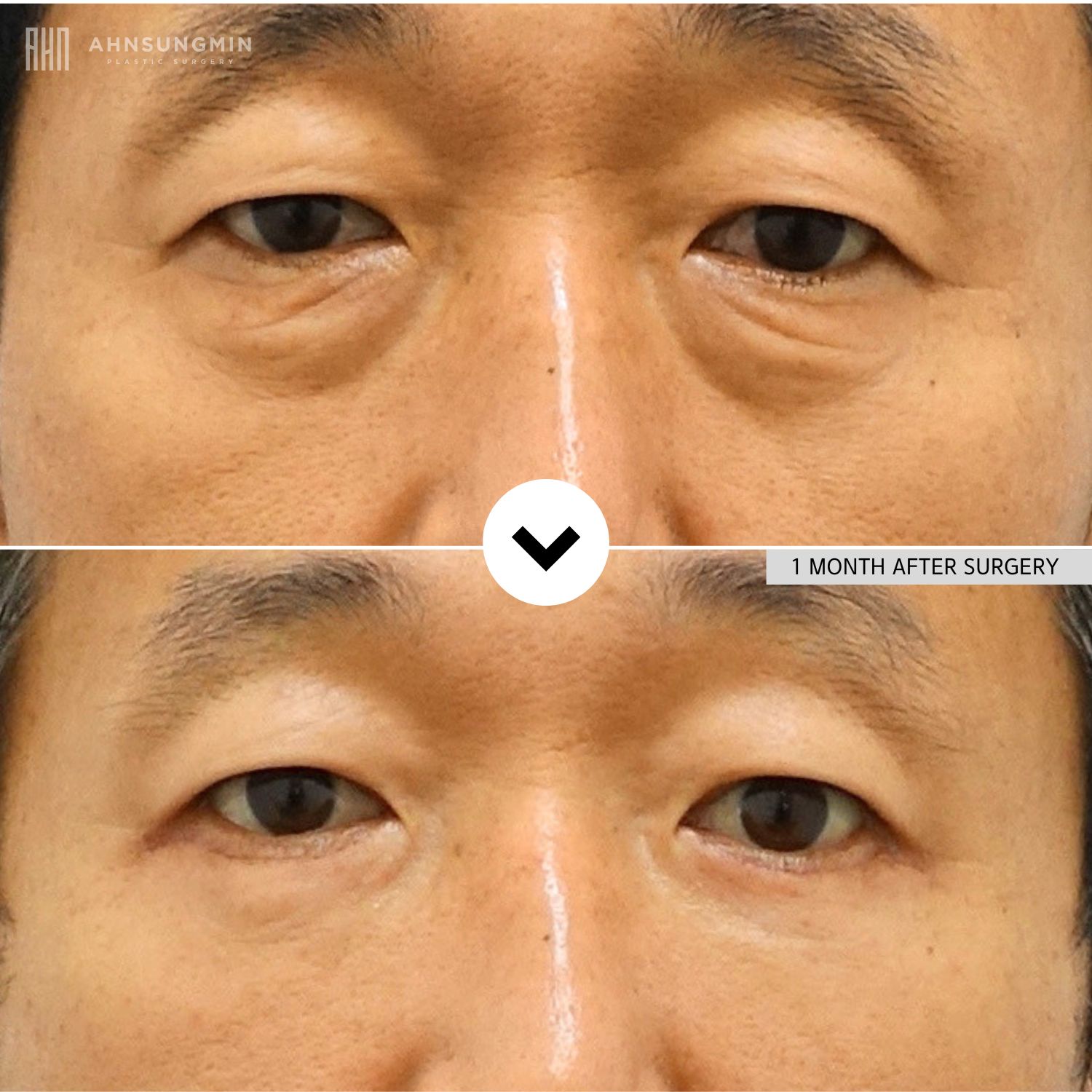
The following representative cases demonstrate how individualized planning leads to natural, stable, and long-lasting results.
Representative Lower Blepharoplasty Cases
Every lower eyelid presents different anatomical challenges. These representative cases demonstrate how individualized diagnosis, structural planning, and careful surgical judgment produce natural, stable, and long-lasting results.
Each case reflects a different anatomical problem, demonstrating why individualized surgical planning is more important than applying the same technique to every patient.
Recovery Is Part of Surgical Success
Natural results are not achieved on the day of surgery—they develop as healing progresses. Recovery is an essential part of successful lower blepharoplasty and should be considered when choosing a surgeon.
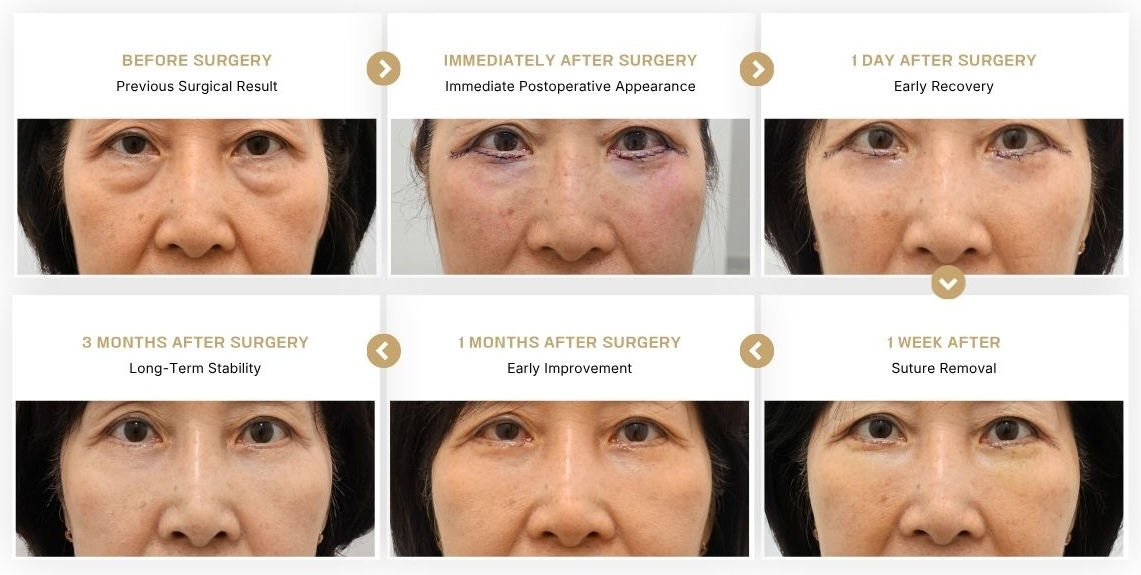
Successful lower blepharoplasty is measured not only by the surgical result but also by how well the lower eyelid heals over time. A carefully planned procedure emphasizes structural support, tissue preservation, and stable recovery, allowing natural improvements to continue throughout the healing process.
Learn More About Lower Blepharoplasty Recovery
Our Approach to Lower Blepharoplasty
A Personalized Surgical Strategy for Every Patient
Every patient presents a unique combination of eye bags, skin laxity, tear trough hollowing, and lower eyelid support. Rather than applying the same procedure to every patient, Dr. Ahnsungmin develops an individualized surgical plan based on structural diagnosis, facial balance, and long-term stability.
Cause-Based Diagnosis
Every treatment plan begins by identifying the underlying causes of under-eye aging, including fat position, skin quality, lower eyelid support, and facial balance before selecting the most appropriate surgical approach.
Individualized Surgical Planning
Every lower eyelid is different. Surgical planning is tailored to each patient’s anatomy, tissue quality, and long-term goals rather than applying the same procedure to every patient.
Natural Facial Balance
The goal is to restore a smooth, natural transition between the lower eyelid and the cheek while preserving each patient’s unique facial appearance.
Long-Term Stability
Successful lower blepharoplasty should continue to look natural months and years after surgery. Structural support and conservative tissue preservation help maintain balanced, long-lasting results.
Why International Patients Choose Dr. Ahnsungmin
Personalized Care From Consultation to Long-Term Follow-Up
International patients travel to Korea not simply for surgery, but for careful diagnosis, individualized planning, and consistent care throughout the entire treatment process. From online consultation to surgery and long-term follow-up, every step is designed to provide a safe, well-coordinated experience while pursuing natural and lasting results.
Online Consultation
Receive a personalized evaluation based on your photos and concerns before traveling to Korea.
Personalized Surgical Planning
Every treatment plan is tailored to your anatomy, skin condition, and aesthetic goals rather than following a standard approach.
One-Surgeon Care
Dr. Ahnsungmin personally conducts the consultation, performs the surgery, and oversees postoperative care.
Dedicated International Patient Support
Our team assists with scheduling, travel planning, and postoperative guidance to help international patients feel prepared throughout their visit.
Many patients choose Dr. Ahnsungmin because consistent surgical judgment—from the first consultation through long-term follow-up—is just as important as the operation itself.
LOWER EYELID SURGERY GUIDE
Frequently Asked Questions
Answers to common questions about choosing the right lower eyelid surgeon,
recovery, and long-term results.
Lower eyelid surgery may be appropriate if you have persistent under-eye bags, loose skin, or a tired appearance that does not improve with rest or skincare. The most appropriate treatment depends on your anatomy, skin quality, and overall facial balance.
The right procedure depends on your individual anatomy rather than a single surgical technique. During consultation, factors such as fat position, skin quality, lower eyelid support, tear trough depth, and facial balance are carefully evaluated to determine whether lower blepharoplasty, fat repositioning, or additional support procedures are most appropriate.
Most patients return to normal daily activities within one to two weeks. Swelling continues to improve over the following weeks, and the final result becomes more refined over the next several months.
Our goal is not to change your appearance but to restore a refreshed, natural-looking lower eyelid while preserving your unique facial characteristics.
When performed with careful structural support and individualized surgical planning, lower eyelid surgery can provide long-lasting improvements that age naturally over time.
Dr. Ahnsungmin personally conducts the consultation, performs the surgery, and oversees your postoperative care to ensure consistency throughout every stage of treatment.
Yes. We provide personalized online evaluations for international patients before they travel to Korea, allowing treatment planning to begin in advance.
Choosing the right surgeon is often more important than choosing a specific surgical technique because the best results depend on accurate diagnosis and sound surgical judgment. Rather than applying the same procedure to every patient, an experienced surgeon evaluates your anatomy, lower eyelid support, skin quality, fat position, and facial balance before deciding on the most appropriate approach. A surgical technique is only as effective as the judgment behind it.
Choosing the Right Surgeon Is Part of Successful Surgery
The quality of lower blepharoplasty is determined long before the operation begins. Careful diagnosis, individualized planning, and realistic expectations help create natural, stable, and long-lasting results.
LOWER EYELID SURGERY IN KOREA
Request a Lower Eyelid Evaluation
Every lower eyelid is different.
Your consultation begins with a careful evaluation of under-eye bags, skin quality, facial anatomy, and lower eyelid support to determine whether lower blepharoplasty, fat repositioning, or a personalized combination of techniques is the most appropriate approach.
Online Consultation Available for International Patients

Ahnsungmin Surgical Philosophy
Natural-looking lower eyelid surgery is not achieved by removing more tissue. It begins with understanding each patient’s anatomy, preserving structural support, and creating results that remain balanced over time.
Every surgical plan is individualized to restore smoother lower eyelid contours while maintaining natural facial harmony and long-term stability.
Request a Lower Eyelid Evaluation
Share your photos and concerns for a personalized lower eyelid evaluation. Every treatment plan is tailored to your anatomy, surgical goals, and long-term facial balance.
