Correcting Brow Ptosis to Restore Natural Eye Function and Expression
A brow lift is not simply about raising the eyebrows.
In many patients, drooping brows gradually place additional weight on the upper eyelids, making the eyes feel heavy and forcing the forehead muscles to compensate.
At Ahnsungmin Plastic Surgery, the Supra Brow Lift is designed to restore the natural brow position while maintaining balanced facial movement and long-term stability.
Brow Lift – Supra Brow Lift
Restoring the Natural Position of the Brow
The brow and upper eyelid function as a connected anatomical unit. As the brow gradually descends over time, the upper eyelid may appear heavier, and the eyes can look more tired or aged.
In these situations, the primary issue may not be the eyelid itself, but the position of the brow. Careful evaluation is necessary to determine whether brow lift surgery, eyelid surgery, or a combination of procedures is the most appropriate solution.
The Supra Brow Lift focuses on restoring a natural brow position while preserving facial expression, improving upper eyelid balance, and maintaining long-term stability.
Our Surgical Philosophy
Structural Analysis
Successful brow lift surgery begins with understanding the relationship between the brow and upper eyelid.
Rather than focusing only on excess eyelid skin, our approach evaluates how brow descent contributes to heaviness, hooding, and changes in eye appearance.
Functional Balance
Many patients unconsciously elevate their brows to compensate for brow descent.
Surgical planning focuses on restoring a more natural balance between the forehead, brow position, and upper eyelid function.
Individualized Planning
The degree of brow descent and forehead anatomy varies from patient to patient.
Each brow lift procedure is customized according to facial proportions, skin quality, muscle activity, and long-term surgical goals.
Natural Long-Term Results
Our goal is not to create an overly elevated brow.
The objective is a natural brow position that reduces upper eyelid heaviness while maintaining facial expression and long-term stability.
Understanding the Relationship Between the Brow and Upper Eyelid
As the brow gradually descends, additional weight is transferred to the upper eyelid.
This can create the appearance of heavy or hooded eyes even when the eyelid itself is not the primary problem.
Restoring the brow position reduces pressure on the upper eyelid and helps re-establish a more balanced brow-to-eyelid relationship.
Careful evaluation helps determine whether brow lift surgery, eyelid surgery, or a combination of procedures is the most appropriate solution.
Brow Position and Upper Eyelid Balance
Brow Lift - Supra Brow Lift
Our Surgical Approach
A successful brow lift is not simply about raising the eyebrows higher.
The goal is to restore the brow to a more natural position while reducing unnecessary weight on the upper eyelid.
Each procedure is individually planned based on brow position, skin quality, forehead movement, and the relationship between the brow and upper eyelid.
Our approach focuses on:
• restoring natural brow position • reducing upper eyelid heaviness caused by brow descent • preserving natural forehead expression • maintaining balance between the brow and eyelid • achieving stable long-term results
Rather than creating an over-lifted appearance, the objective is to improve comfort, function, and facial harmony.
Incision: Carefully designed along the upper brow margin according to individual anatomy and surgical goals.
Hospitalization: Not required
Stitch removal: Typically 5-7 days after surgery
Recovery period: Initial recovery generally occurs within 1–2 weeks.
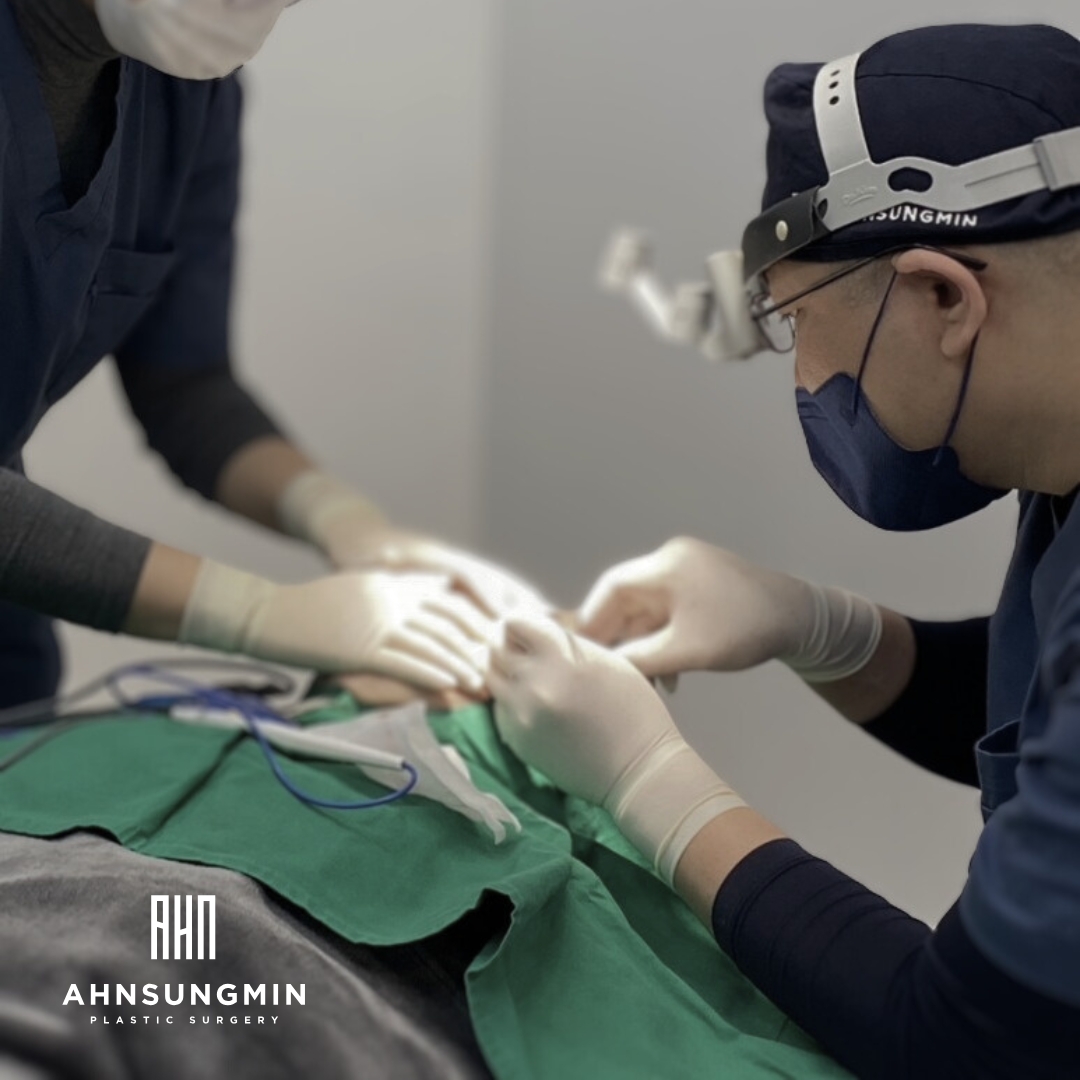
Anesthesia: Local anesthesia with real-time functional assessment during surgery
Recovery Timeline After Brow Lift
Brow lift recovery occurs gradually as swelling subsides and the brow settles into a more natural position.
Most patients return to normal daily activities within 1–2 weeks. However, continued softening of the tissues and stabilization of the brow-to-eyelid balance may continue over the following months.
Real Recovery Example
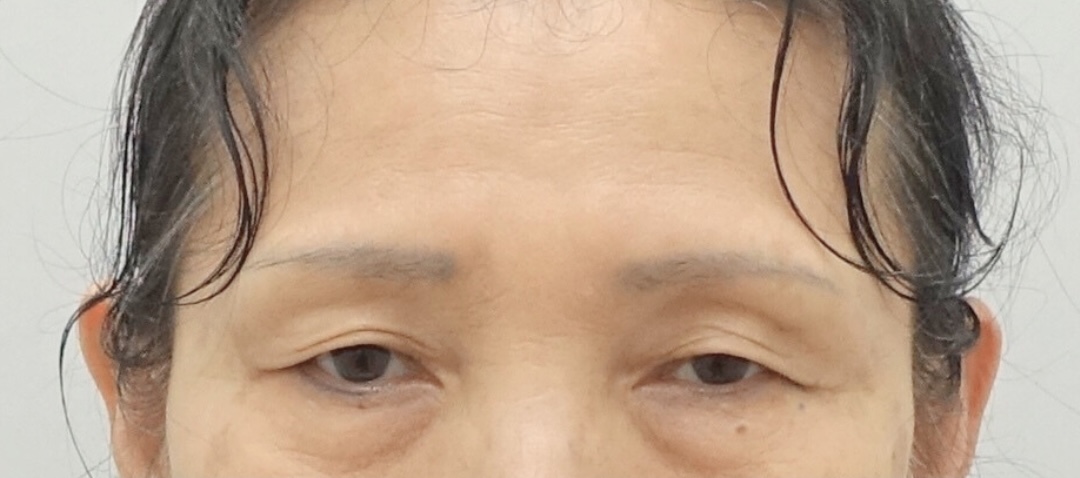
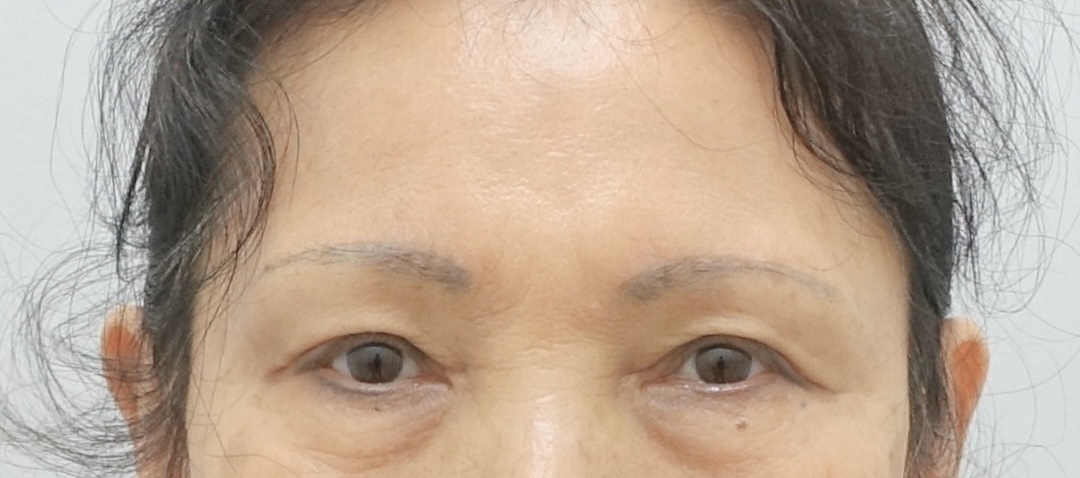
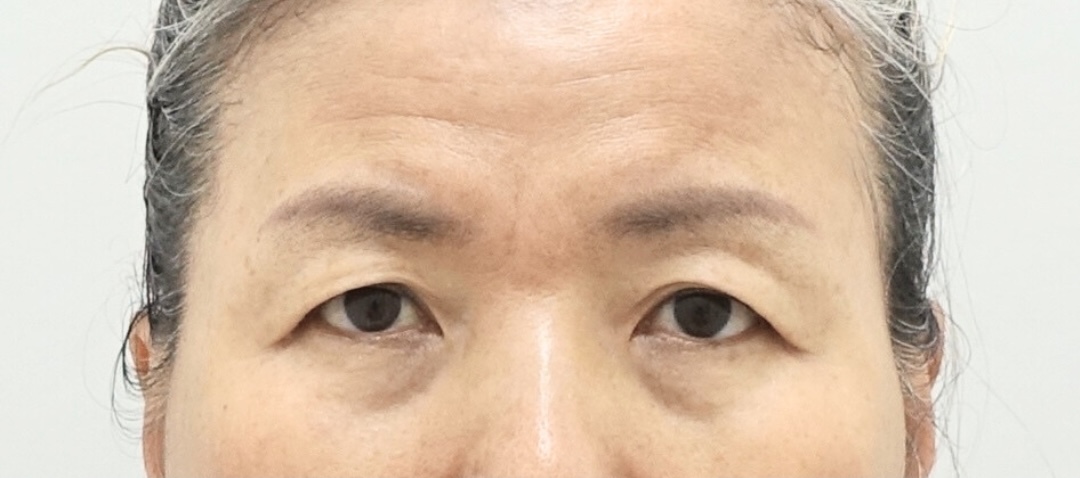
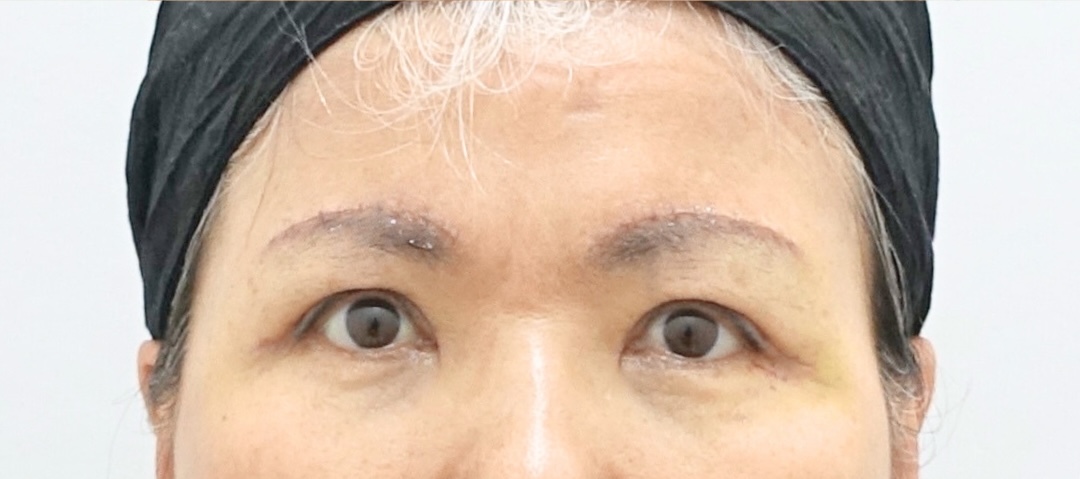
Woman in her 60s
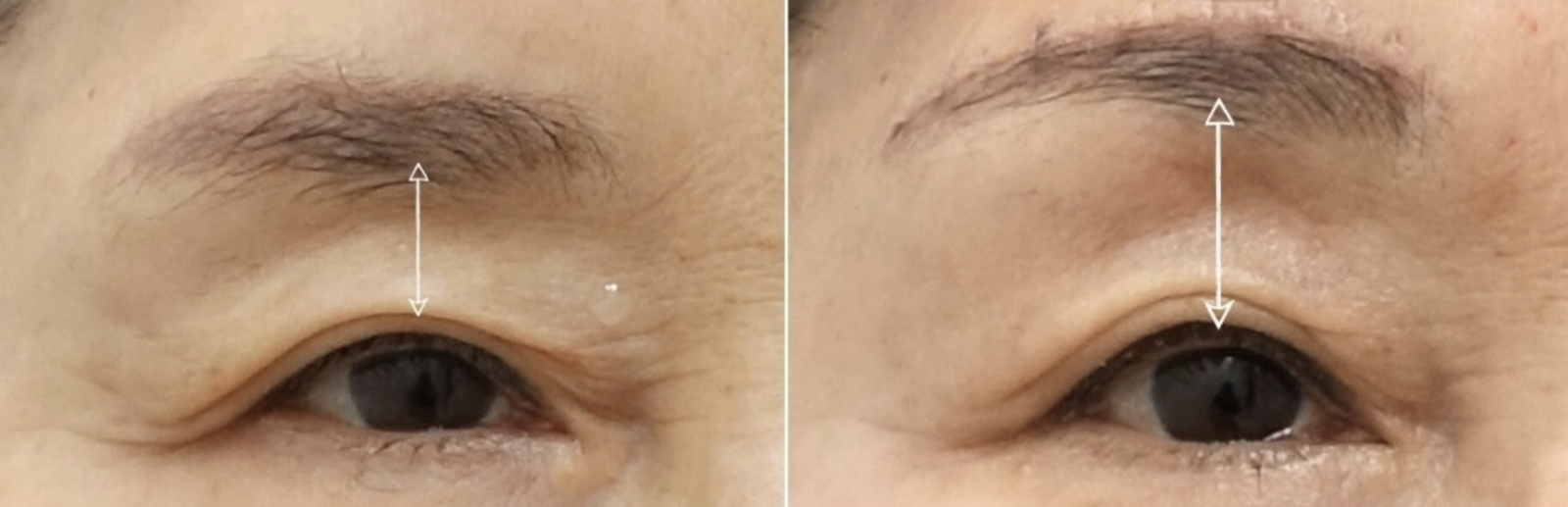
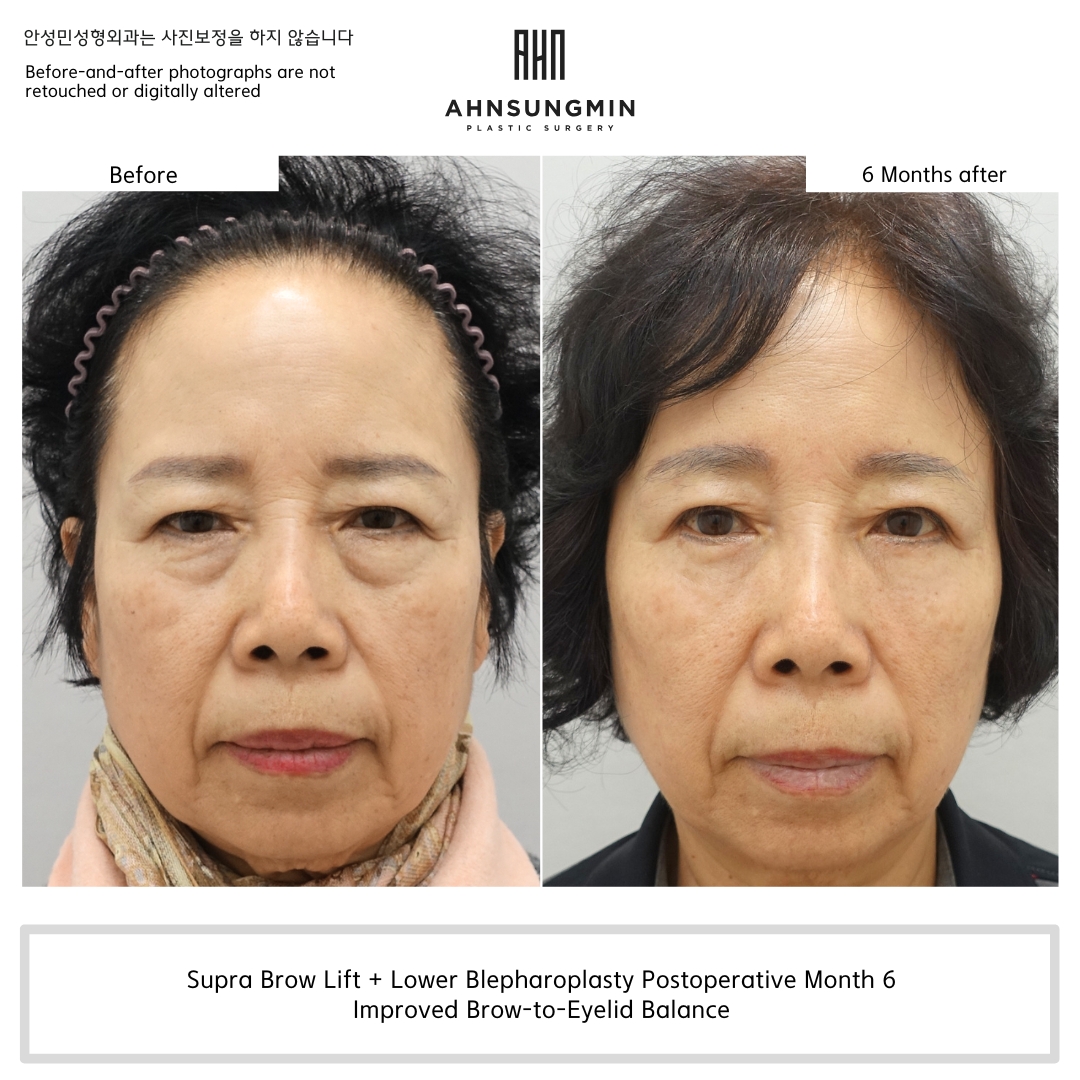
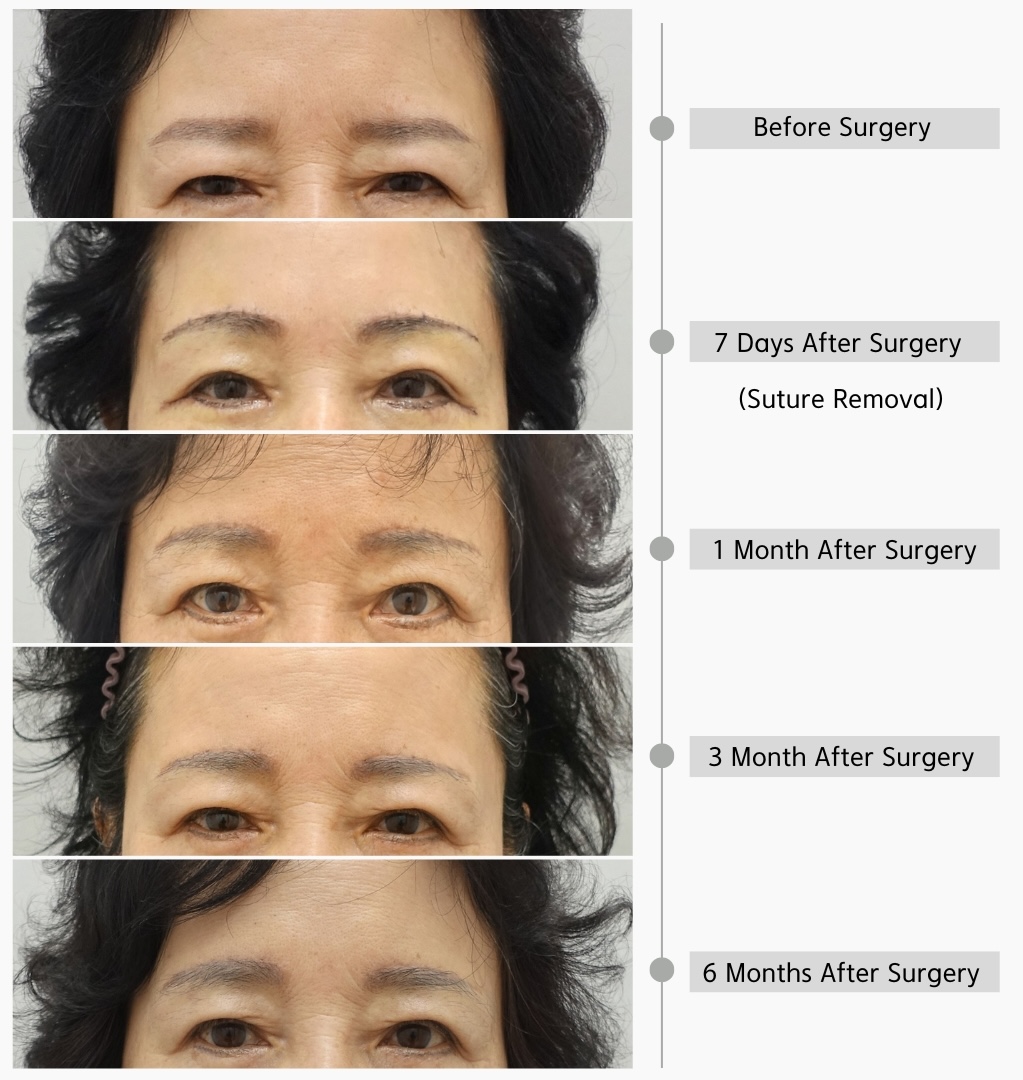
This patient in her 60s presented with brow descent, heavy upper eyelids, and a tired appearance.
As the brow gradually lowered over time, additional weight was transferred to the upper eyelid, contributing to a smaller eye opening and a fatigued facial expression.
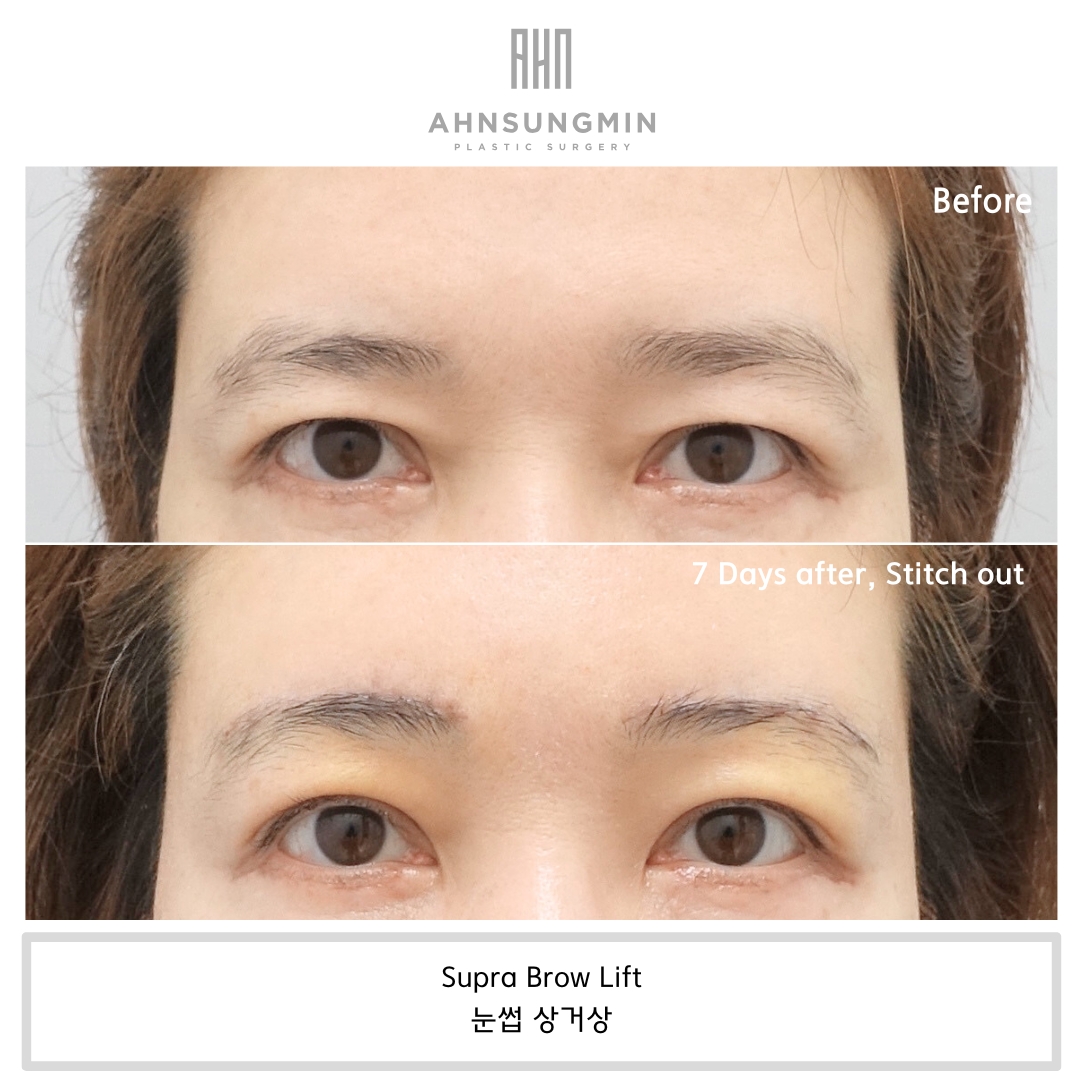
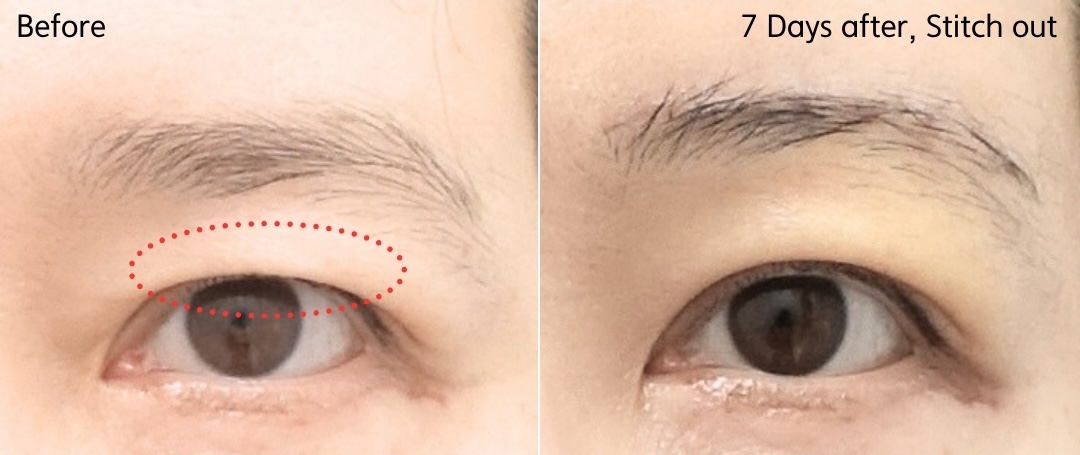
Following supra brow lift surgery, the brow position was restored to a more natural level. At 7 days after surgery, most swelling and bruising had improved following suture removal.
Over the following months, the brow-to-eyelid relationship continued to stabilize. By 6 months, the eyes appeared more open, the upper eyelid looked lighter, and overall facial balance was improved while maintaining a natural appearance.
This case demonstrates how correcting brow ptosis can improve both eyelid function and facial harmony without creating an over-lifted appearance.
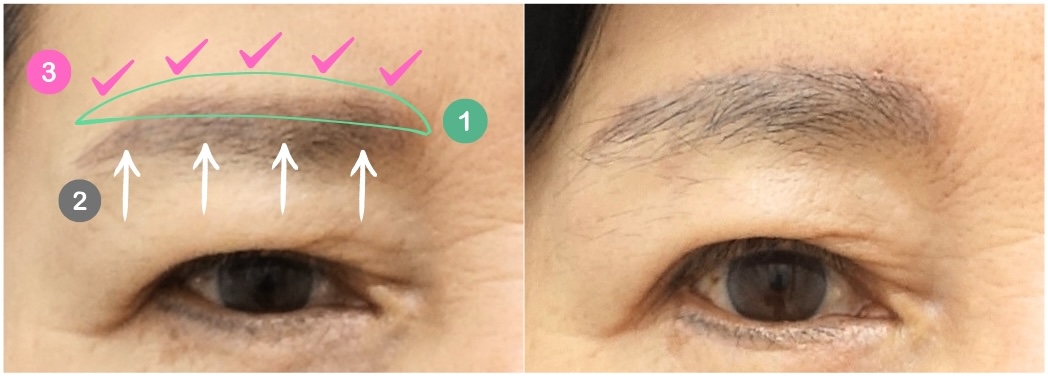
1. Incision Design Carefully planned along the upper brow margin.
2. Brow Elevation The descended brow is repositioned to a more natural anatomical level.
3. Fixation Suturing The elevated brow is stabilized to maintain long-term position and balance.
Supra Brow lift Process
Supra Brow Lift
Supra Brow Lift
7 Days After Stitch Removal
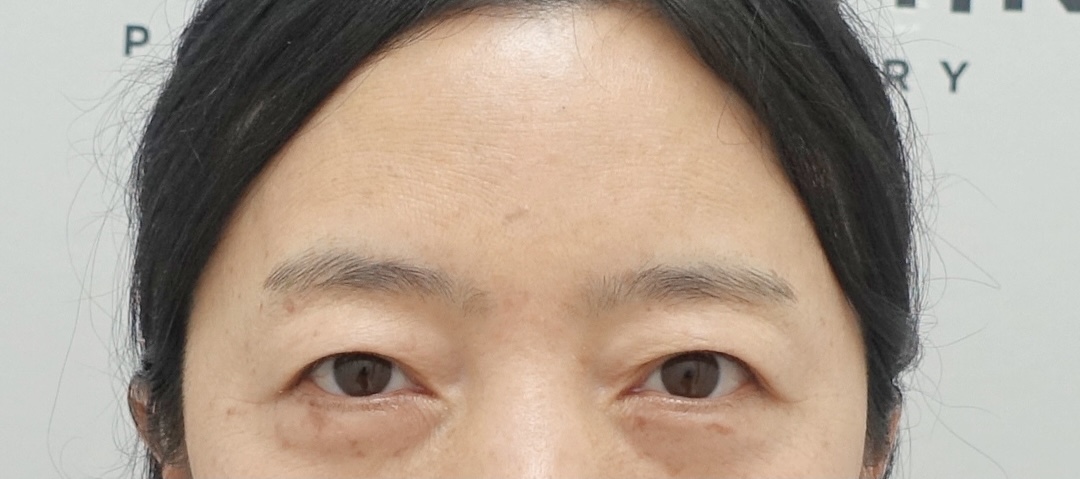
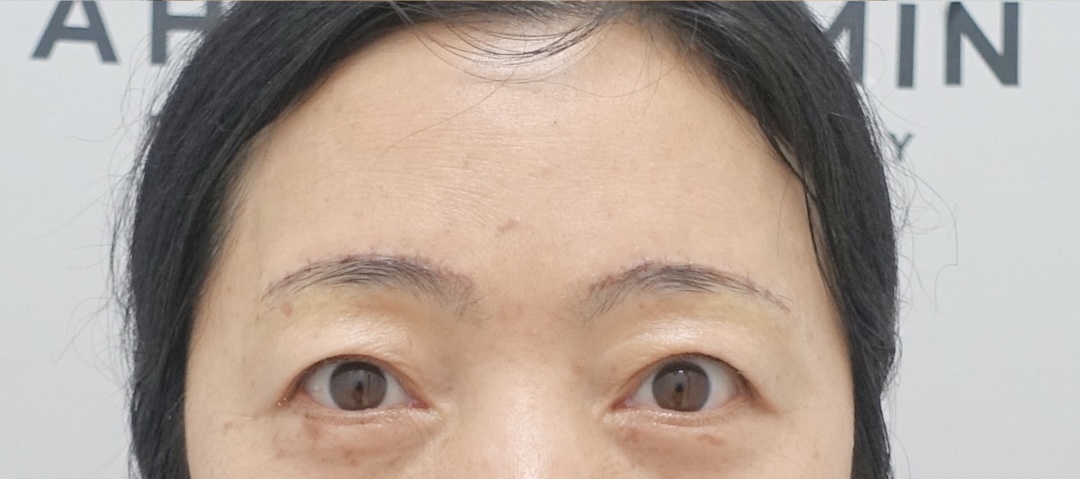
Following the Supra Brow Lift, the brow position is restored to a natural level.
This reduces the weight placed on the upper eyelid and improves eye opening.
Patient in her 40s
Before
7 Days After Stitch Removal
Patient in her 50s
Before
7 Days After Stitch Removal
Patient in her 50s
Before
2 Months after
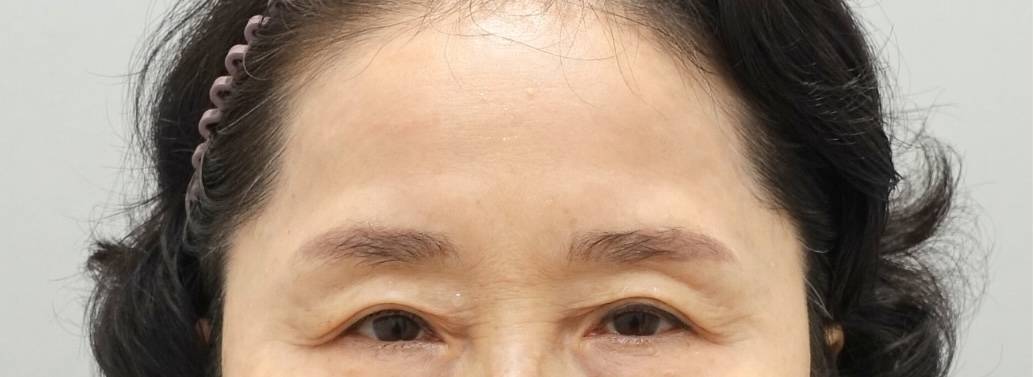
Patient in her 60s
Before
7 Days After Stitch Removal
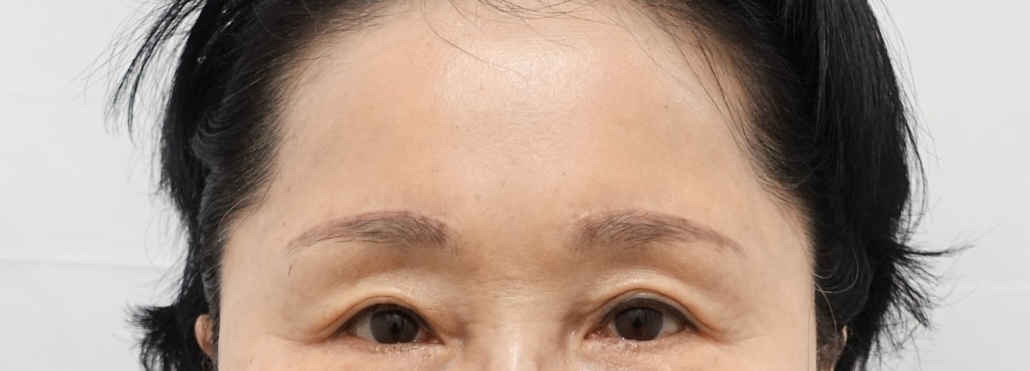
Patient in her 60s
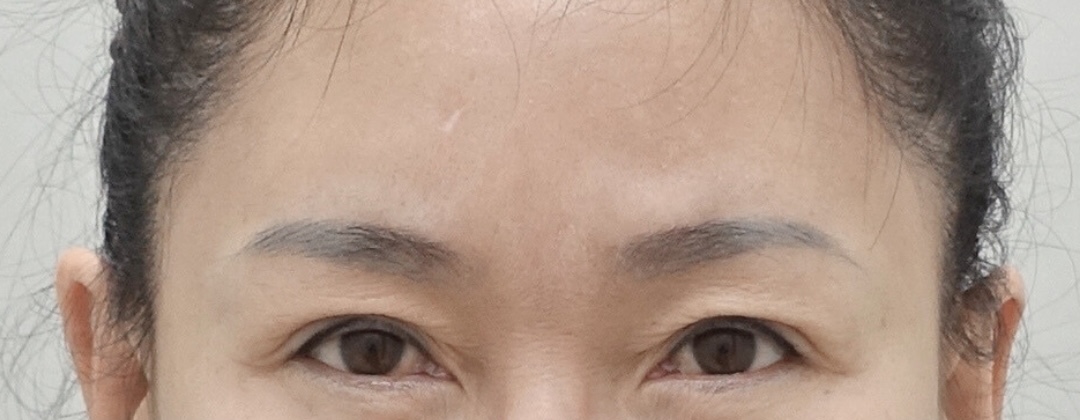
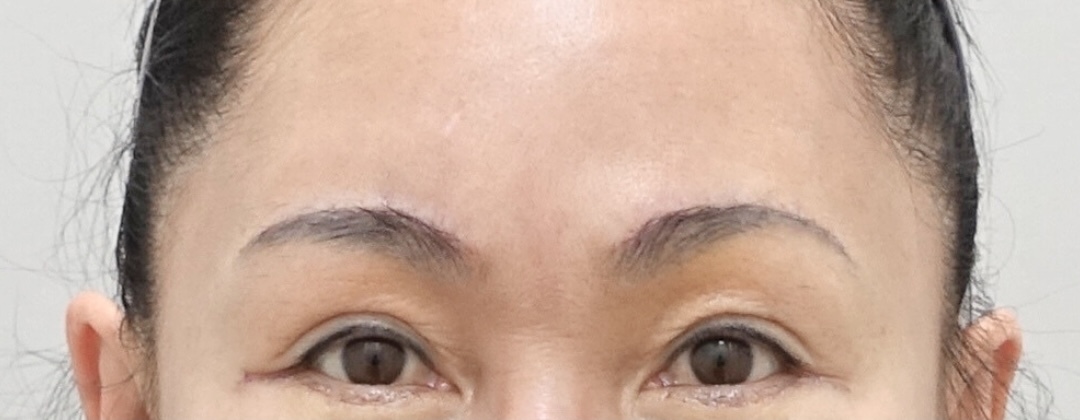
After the Supra Brow Lift, the brow position is elevated to a more natural level. This reduces the heaviness pressing on the upper eyelids and allows the eyes to open more comfortably.
Before
1 Month After Supra Brow Lift
When Brow Lift Surgery May Be Recommended
A brow lift may be considered when brow descent contributes to upper eyelid heaviness, tired-looking eyes, or forehead strain.
Common situations include:
• brows positioned lower than their natural anatomical level • heaviness of the upper eyelids caused by brow descent • frequent forehead muscle use to help keep the eyes open • deep forehead lines associated with chronic brow compensation • cases where eyelid surgery alone may not fully address the underlying problem
In these situations, restoring the brow position can reduce pressure on the upper eyelids and improve the overall balance of the upper face.
Rather than creating a higher brow, the goal is to restore a more natural brow-to-eyelid relationship while preserving facial expression and long-term stability.
BROW LIFT IN KOREA
Frequently Asked Questions About Brow Lift Surgery
Answers to common questions about brow descent, upper eyelid heaviness, recovery, candidacy, and long-term surgical stability.
FAQ
Q1. What is a brow lift?
A brow lift is a procedure designed to restore the position of a descended eyebrow. By improving brow position, it can reduce upper eyelid heaviness and improve the overall balance between the brow and eyelid.
Q2. How do I know if my heavy eyelids are caused by brow ptosis?
In some patients, the primary problem is not excess eyelid skin but a lowered brow position. A detailed examination of the brow-to-eyelid relationship helps determine the underlying cause.
Q3. Is brow lift surgery better than upper blepharoplasty?
Not necessarily. Some patients benefit from brow lift surgery, while others are better candidates for upper blepharoplasty or a combination of procedures. Treatment depends on the underlying anatomy.
Q4. Will a brow lift make my forehead look unnatural?
The goal is not to create a permanently surprised or elevated appearance. Brow lift surgery should restore the brow to a natural anatomical position while preserving facial expression.
Q5. Can brow lift surgery improve forehead strain?
Yes. Many patients subconsciously use their forehead muscles to help open their eyes. Restoring brow position may reduce this compensatory muscle activity and improve comfort.
Q6. How long does recovery take after a brow lift?
Most swelling and bruising improve during the first 1–2 weeks. Scar maturation and tissue stabilization continue gradually over the following months.
Q7. Will a visible scar remain after a supra brow lift?
All surgical incisions heal with some degree of scarring. However, the incision is carefully designed along the brow margin, and scars generally become less noticeable as healing progresses.
Q8. Can brow lift surgery be combined with other eyelid procedures?
Yes. Brow lift surgery is often combined with upper blepharoplasty, ptosis correction, or lower blepharoplasty when additional improvement in eyelid balance and facial harmony is needed.
Brow Lift Insights
Why Do Eyelids Sag & How an Eyebrow Lift Can Help
In some cases, drooping eyelids are closely related to brow descent rather than the eyelid alone.
Brow Lift Surgery in Patients in Their 60s: Improving Comfort Rather Than Eye Size
For many older patients, the goal of brow lift surgery is not to create larger eyes but to reduce heaviness and restore a more natural brow-to-eyelid relationship.
At Ahnsungmin Plastic Surgery, eyelid surgery is approached through careful structural analysis rather than simply focusing on cosmetic change.
Many eyelid conditions such as ptosis, eyelid hollowing, lower eyelid bags, or postoperative imbalance are closely related to the underlying anatomy of the eyelid.
Our surgical philosophy focuses on restoring natural balance while preserving healthy tissue and achieving long-term structural stability.
Contact Us Today
Contact
Phone: +82-2-414-1114 (korea)
WhatsApp: +82-10-8498-0462 (English)
Address
4, Olympic-ro 12-gil, Songpa-gu, Seoul, Republic of Korea