Ptosis correction korea focuses on restoring eyelid function rather than simply improving appearance. Patients seeking this procedure in Korea often present with functional issues rather than purely cosmetic concerns.
What Ptosis Correction in Korea Really Is—and Why It Is Often Misunderstood
Ptosis is not simply a cosmetic concern. Ptosis correction Korea is often misunderstood as a cosmetic concern In many cases, what appears to be excess eyelid skin is actually a problem of muscle function.
When the levator muscle weakens, the eyelid cannot open fully. Patients often compensate by raising their brows or using their forehead, leading to fatigue, asymmetry, and a heavier appearance.
What seems like an aesthetic issue is often a structural imbalance.
Ptosis correction korea is not simply a cosmetic procedure but a functional surgery.
Our Surgical Philosophy
Structural Balance
Successful eyelid surgery begins with restoring structural balance. Rather than focusing only on cosmetic change, our approach addresses the underlying anatomical causes affecting the eyelid.
Precise Anatomical Evaluation
Each patient’s eyelid anatomy, muscle strength, orbital fat distribution, and eyelid support are carefully evaluated before surgery to determine the most appropriate treatment plan.
Tissue Preservation
Whenever possible, healthy tissue is preserved and existing orbital fat is strategically repositioned to maintain the natural anatomy of the eyelid.
Natural Long-Term Results
Our goal is not temporary cosmetic improvement but stable, natural results that maintain eyelid function and balance over time.
Ptosis Correction
When Ptosis Correction Is Necessary—and When It Is Not
Not every heavy or tired-looking eye requires ptosis correction.
Surgery is necessary when there is a clear functional limitation—restricted eyelid opening, visual obstruction, or excessive compensatory muscle use.
However, mild asymmetry or concerns driven purely by aesthetic expectations may not benefit from functional correction.
Operating without proper indication can lead to unnatural results and long-term instability.
Why Double Eyelid Surgery Cannot Replace Ptosis Correction
Double eyelid surgery can create a crease, but it does not restore the lifting function of the eyelid.
In patients with ptosis, performing only double eyelid surgery may worsen imbalance. The crease may appear higher, but the eye remains functionally restricted. Ptosis correction Korea requires careful evaluation before surgery.
Ptosis correction is not about creating a fold—it is about restoring proper movement.
Our Approach: Structural Diagnosis Before Any Correction
At our clinic, ptosis correction begins with structural analysis.
We evaluate:
Levator muscle function
Degree of asymmetry
Brow compensation patterns
Skin tension and eyelid weight
Rather than focusing on surface appearance, we identify the underlying cause.
Surgery is performed only when it can achieve stable, long-term improvement.
Duration: 1 Hour and 30 Minutes
Incision: Full incision along the eyelid crease
Hospitalization: None
Stitch removal: 7 days after procedure
Recovery period: 7 days
Anesthesia: Local
How We Perform Ptosis Correction Under Local Anesthesia
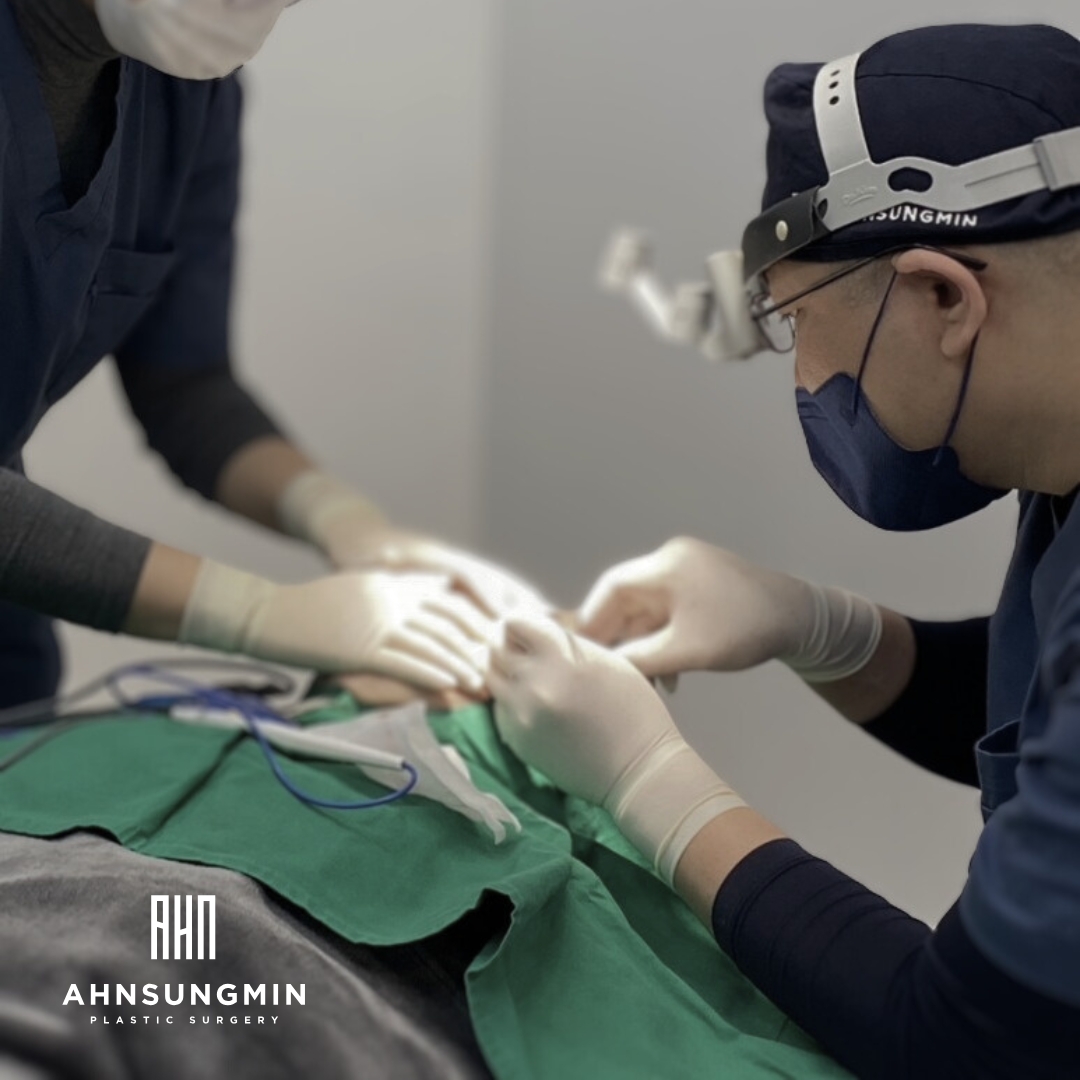
All procedures are performed under local anesthesia.
This allows real-time evaluation of eyelid movement during surgery. Adjustments are made based on actual function, not estimation.
The goal is not maximum opening, but balanced and natural movement.
Overcorrection is avoided. Stability is prioritized.
Limitations Patients Must Understand Before Surgery
Ptosis correction does not guarantee dramatic cosmetic change.
The goal is functional normalization—not exaggeration.
Patients must understand:
Perfect symmetry is not always achievable
Excessive correction can lead to complications
Results evolve gradually over time
Surgery should be approached with realistic expectations.
Swelling, asymmetry, and temporary overcorrection may appear early but are part of the normal healing process.
True functional stability takes time.
Evaluating results too early can lead to unnecessary concern or premature revision decisions. Ptosis correction Korea outcomes should always be evaluated over time.
When Revision Becomes Necessary
Revision should only be considered after sufficient recovery time.
In most cases, at least 6–12 months are required.
Premature intervention can worsen scarring and complicate future correction.
Revision is not about minor imperfections, but structural failure.
The Principle That Guides Every Decision
Ptosis correction is not about making the eyes look bigger.
It is about restoring balance, function, and long-term stability.
In many cases, the most appropriate decision is not to operate.
Surgery is only meaningful when it is necessary. Ptosis correction Korea requires a conservative and function-focused approach.
Seeing the Eye as a Whole, Not in Parts A Clinic Dedicated to Eyelid Revision Surgery in Korea Ahnsungmin Plastic Surgery
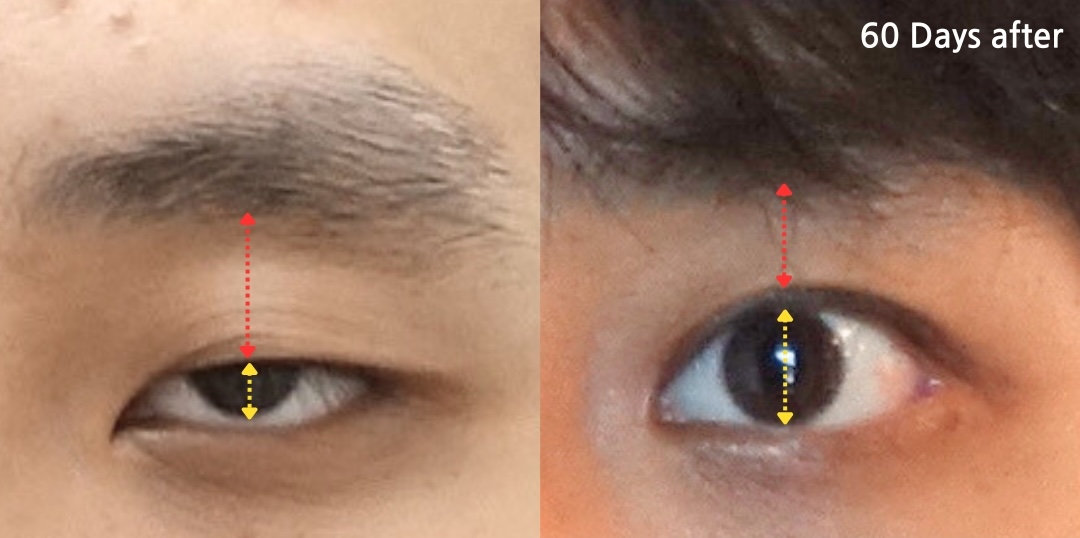
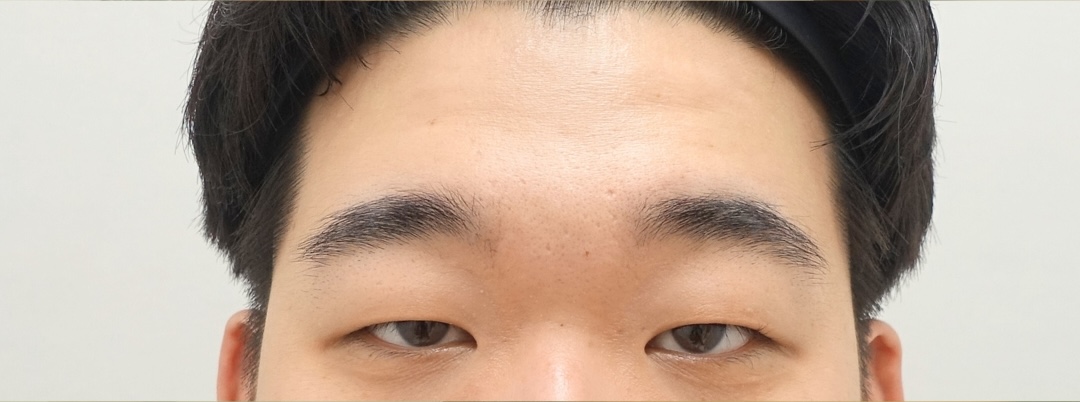
Case Overview: Functional Ptosis with Compensatory Brow Use
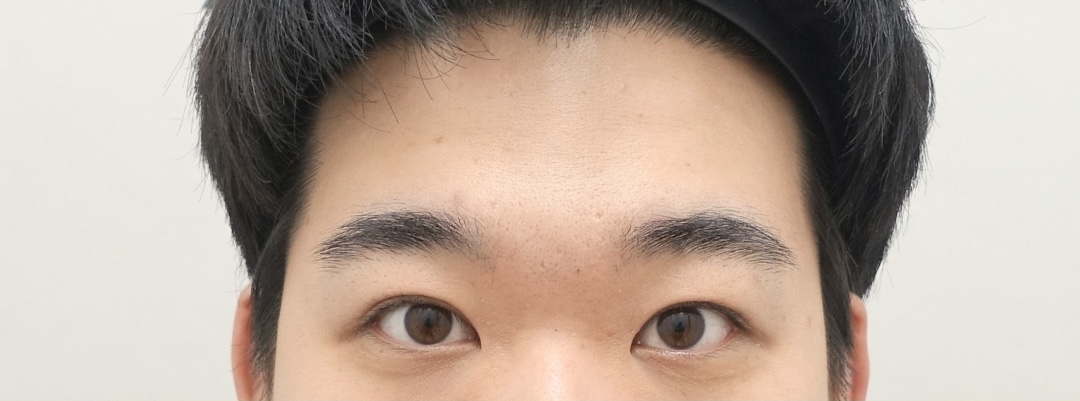
At 60 days after surgery, eyelid opening is stable and balanced. The need for compensatory brow elevation has been eliminated.
This outcome was not designed for maximal enlargement. It reflects controlled correction and functional recovery.
Overcorrection was intentionally avoided to maintain long-term stability.
Postoperative Outcome at Day 60 (Case 1)
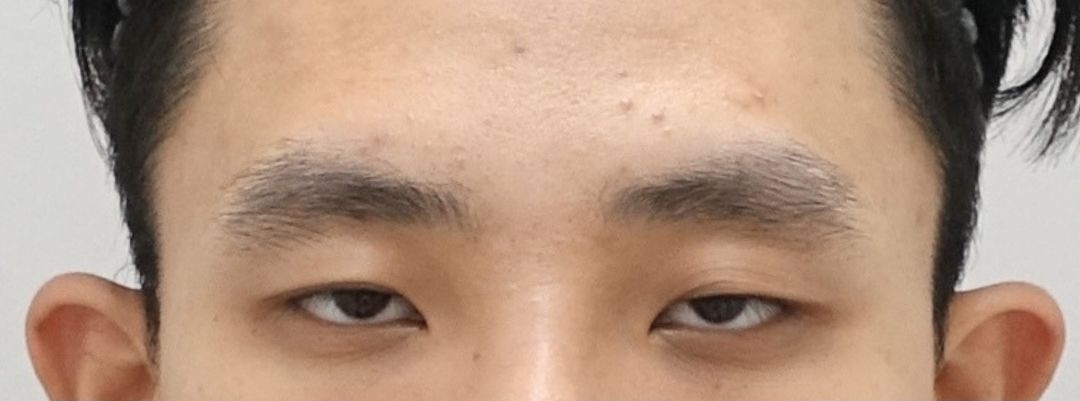
Preoperative condition showing limited eyelid opening and compensatory forehead activation.
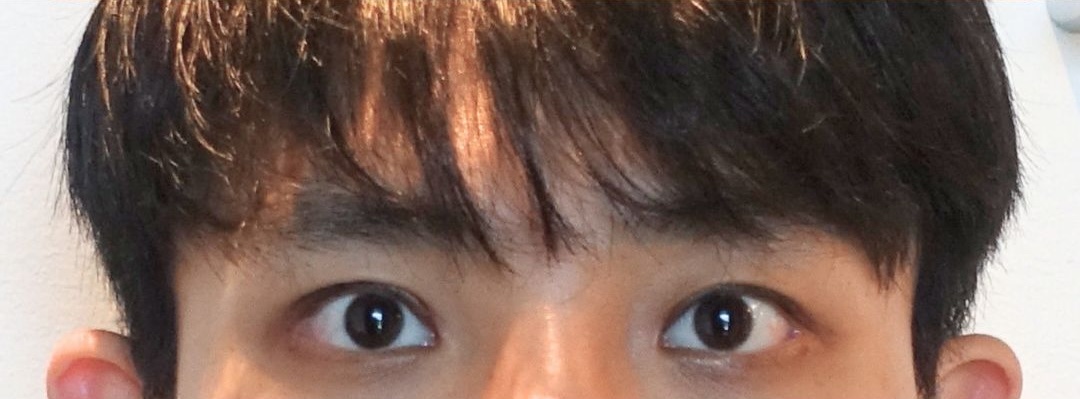
At 60 days after surgery, eyelid opening is more balanced and stable.
The patient no longer relies on brow elevation to maintain eye opening.
The result does not aim for exaggerated enlargement.
Instead, it reflects functional recovery and long-term stability.
Overcorrection was intentionally avoided to preserve natural movement and prevent recurrence.
Postoperative Outcome at Month 4 (Case 2)
Preoperative condition showing limited eyelid opening and compensatory forehead activation.
At 4 months after surgery, eyelid opening remains stable and balanced.
The need for compensatory brow elevation has been eliminated.
This outcome was not designed for maximal enlargement.
It reflects controlled correction and functional recovery.
Overcorrection was intentionally avoided to maintain long-term stability.
Postoperative Changes After Ptosis Correction: A Timeline
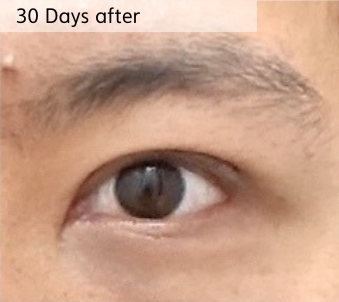
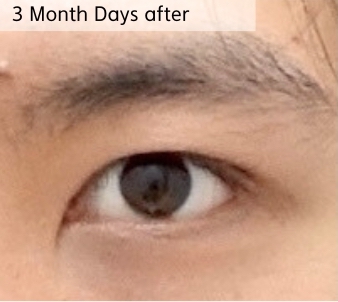
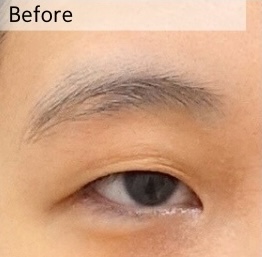
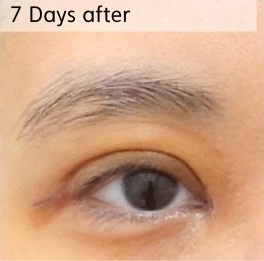
Changes following ptosis correction do not stabilize immediately. Early postoperative appearance may seem overcorrected, but this reflects temporary swelling and muscle adaptation. Final eyelid position becomes more predictable as healing progresses.
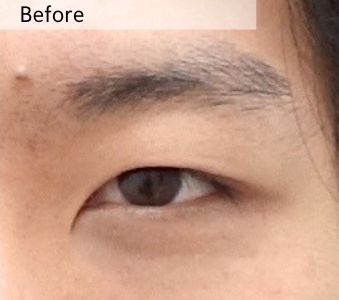
Before
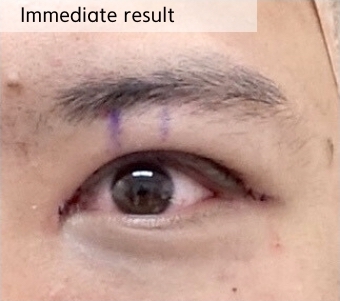
Immediate Postoperative
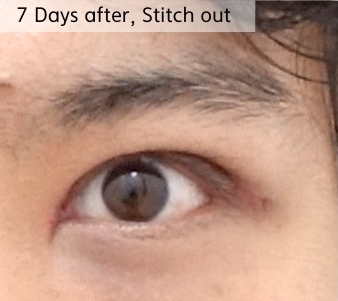
Postoperative Day 7 (Suture Removal)
Postoperative Month 3
Postoperative Month 6
Before
Immediate Postoperative
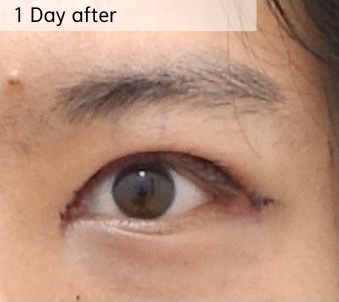
Postoperative Day 1
Postoperative Day 7 (Suture Removal)
Postoperative Day 30
Postoperative Month 3
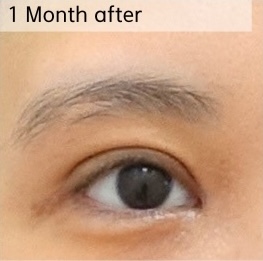
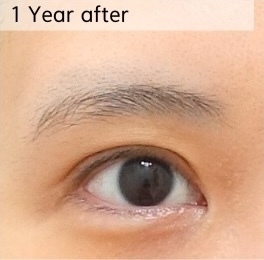
Before
Postoperative Day 7 (Suture Removal)
Postoperative Month 1
Postoperative Year 1
Not every problem requires surgery. But every successful outcome begins with understanding the cause.
Each consultation is performed directly by the surgeon.
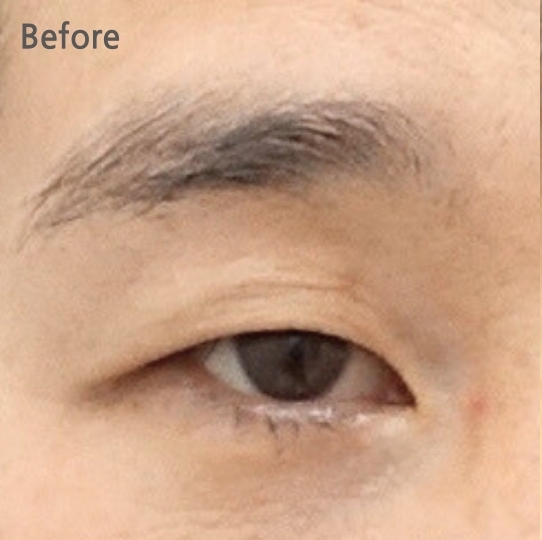
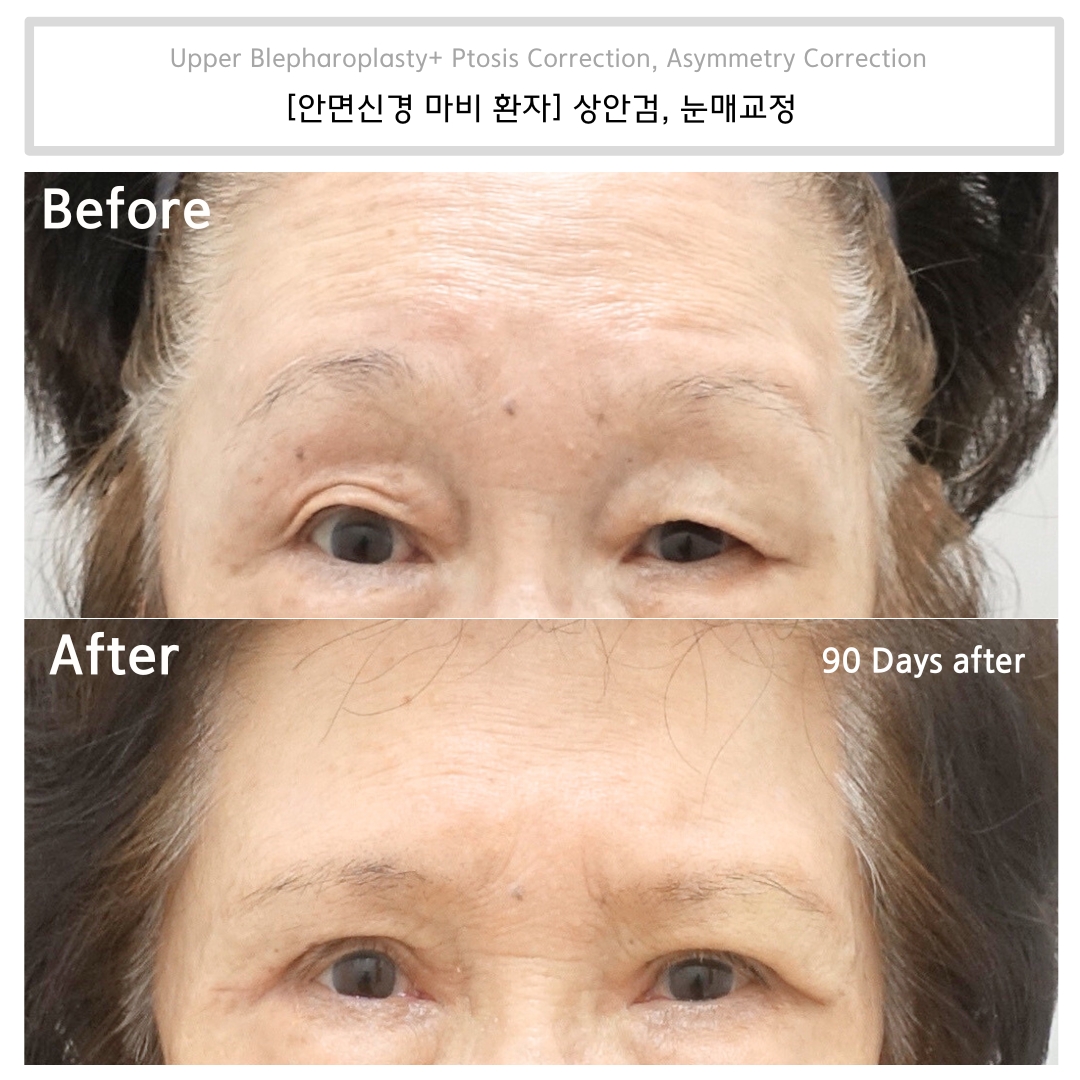
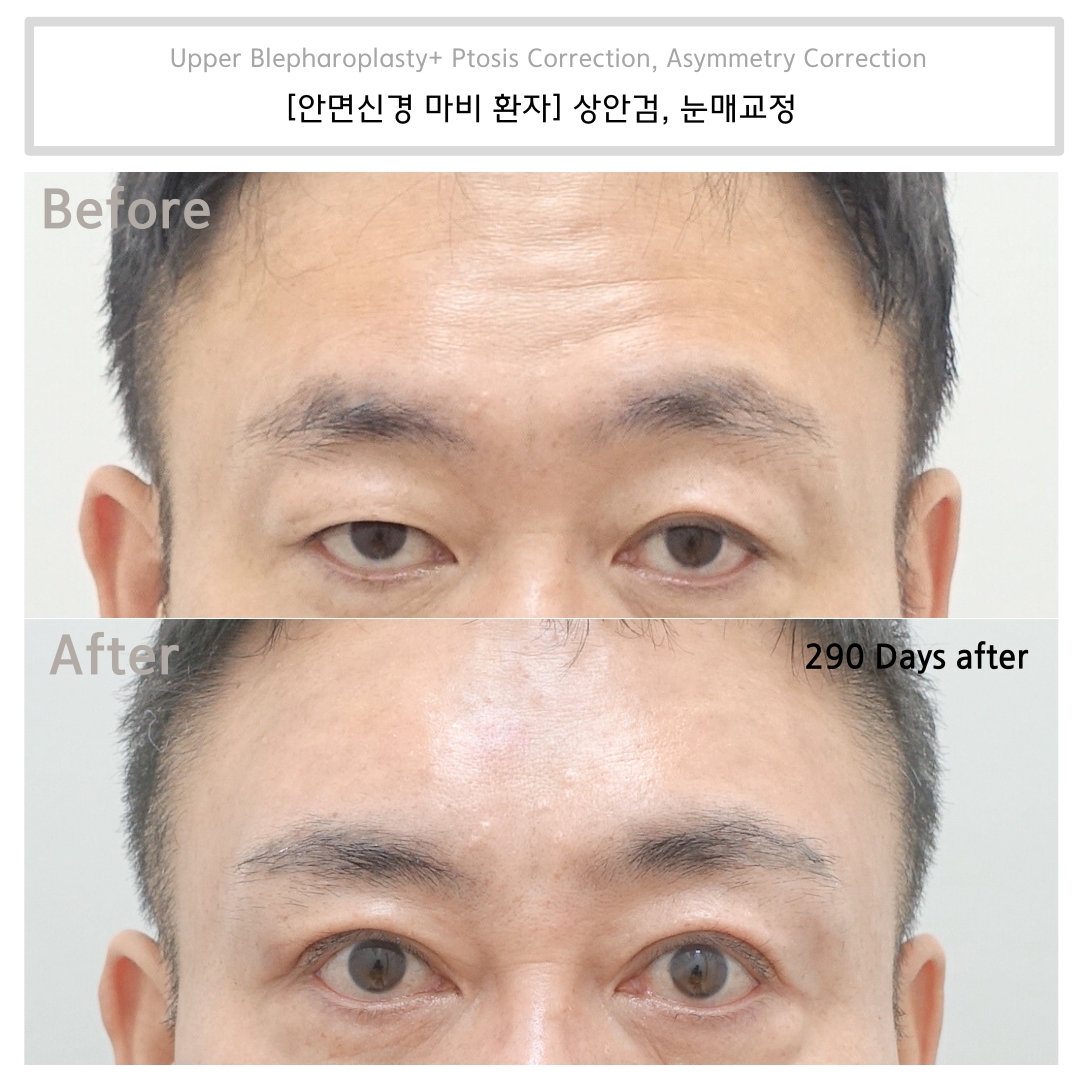
Ptosis correction surgery for patients with facial nerve paralysis Before & After
In patients with facial nerve paralysis, symmetry cannot be forced.
The goal is to restore balance while respecting the limitations of muscle function.
Ptosis correction surgery for patients with facial nerve paralysis
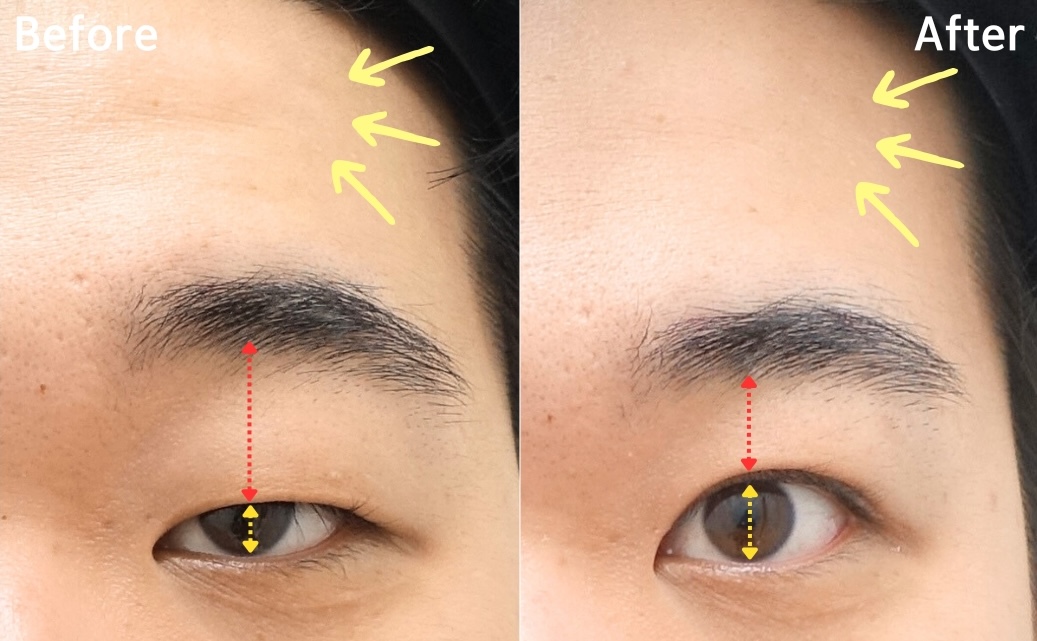
Before surgery, the patient relied excessively on the forehead to compensate for weakened eyelid function.
After surgery, eyelid opening becomes more balanced, reducing the need for compensatory muscle use.
Ptosis correction surgery for patients with facial nerve paralysis
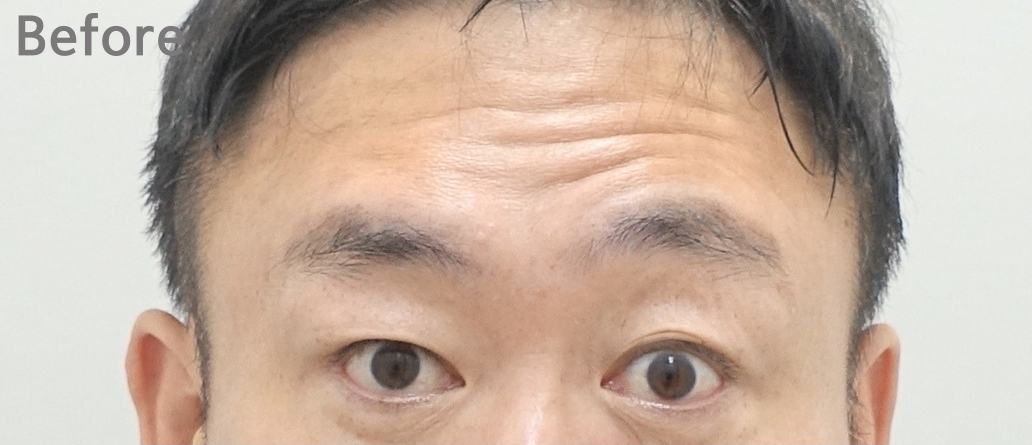
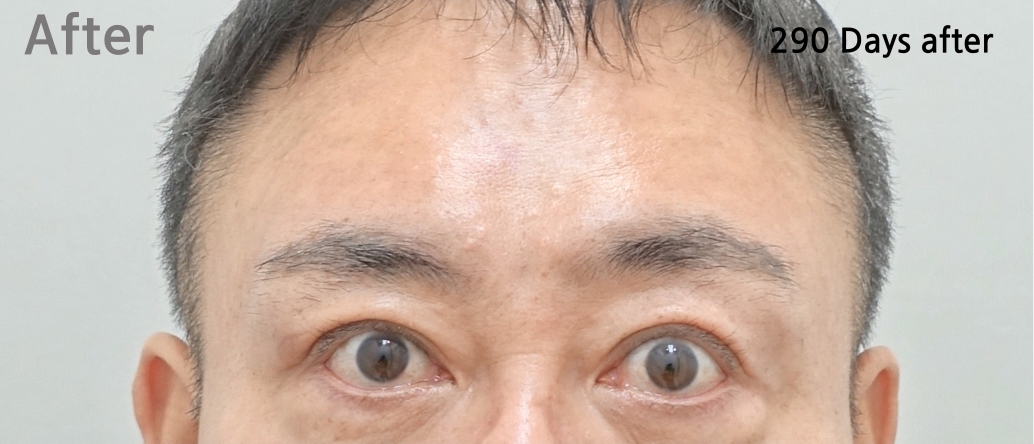
When he opened his eyes wide after Ptosis correction surgery
Before
After
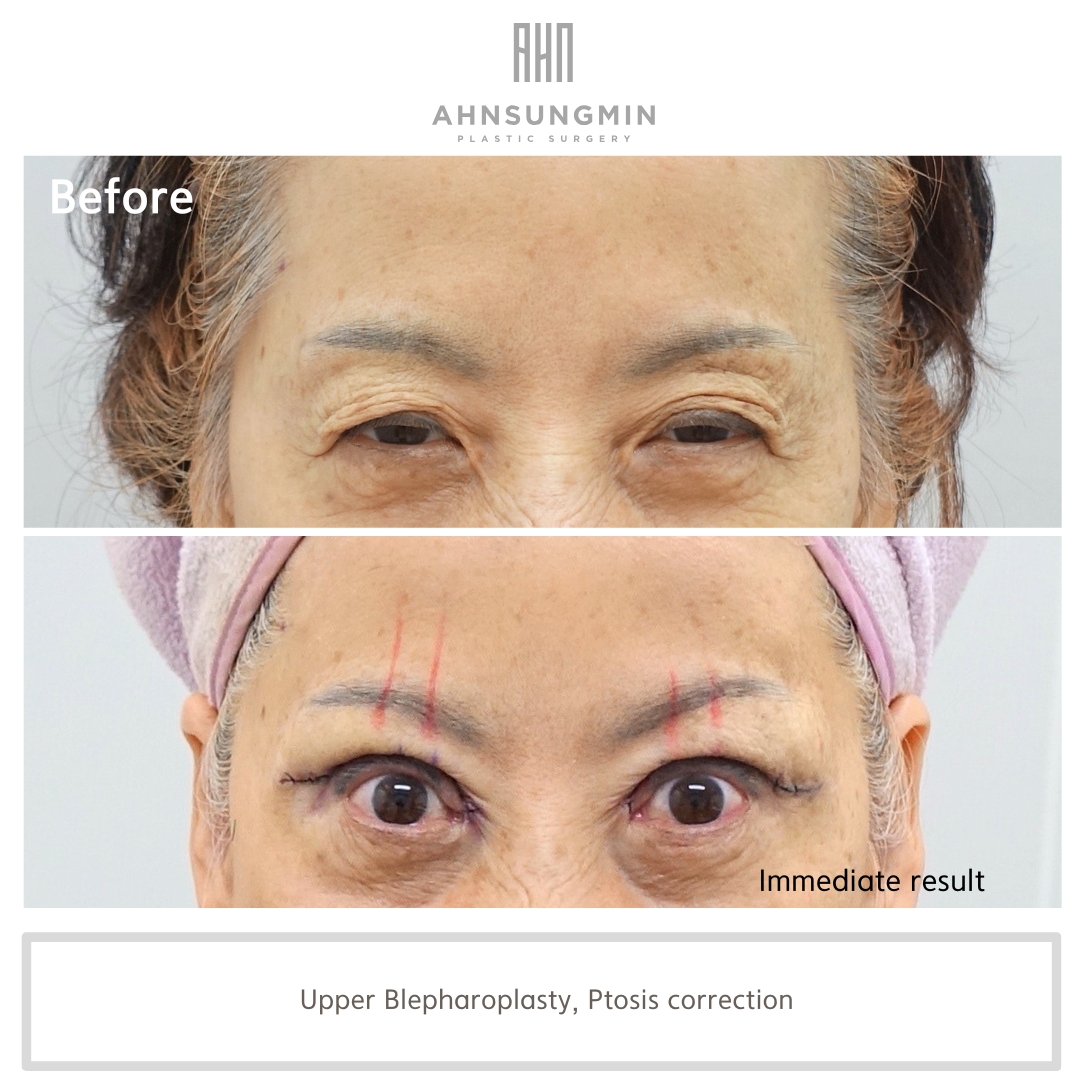
Patient with persistent blepharospasm
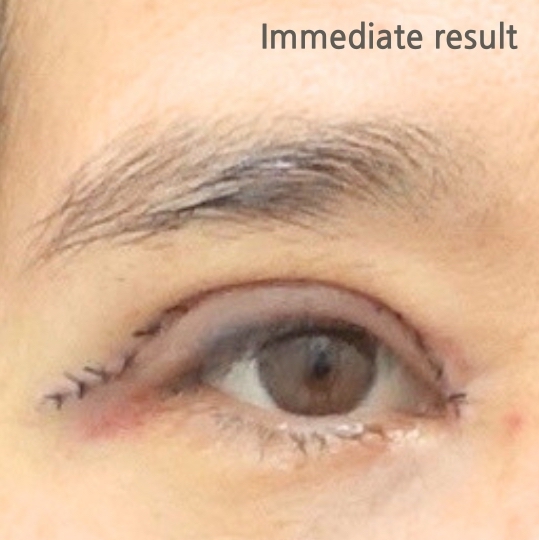
Immediate result
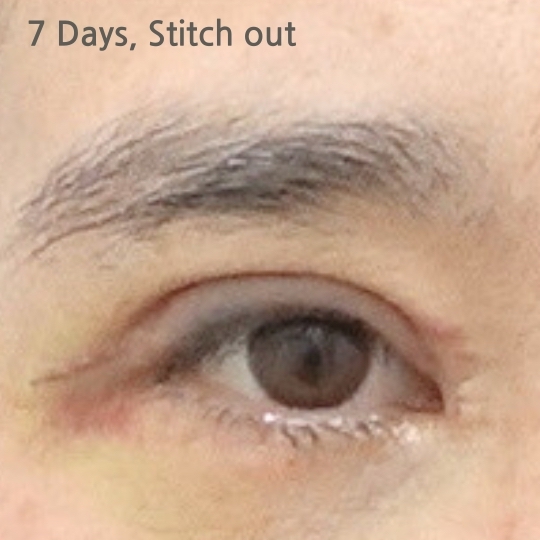
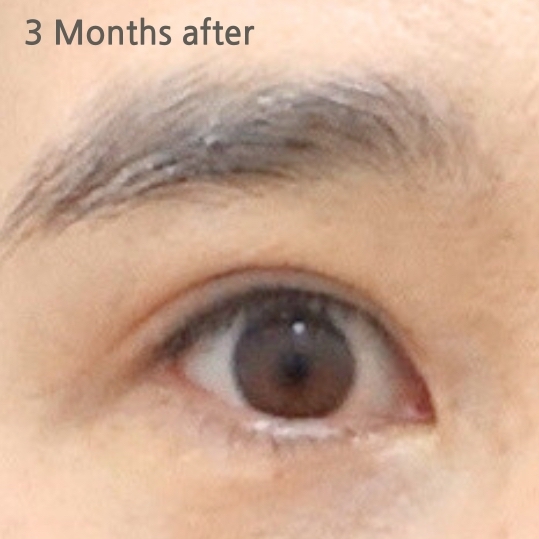
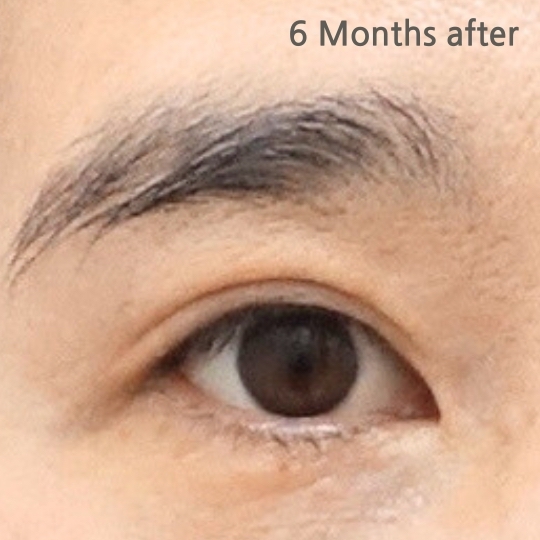
woman in her 60s
Upper blepharoplasty, Ptosis Correction
Blepharospasm is a condition in which a person intentionally loses control of their eyes.
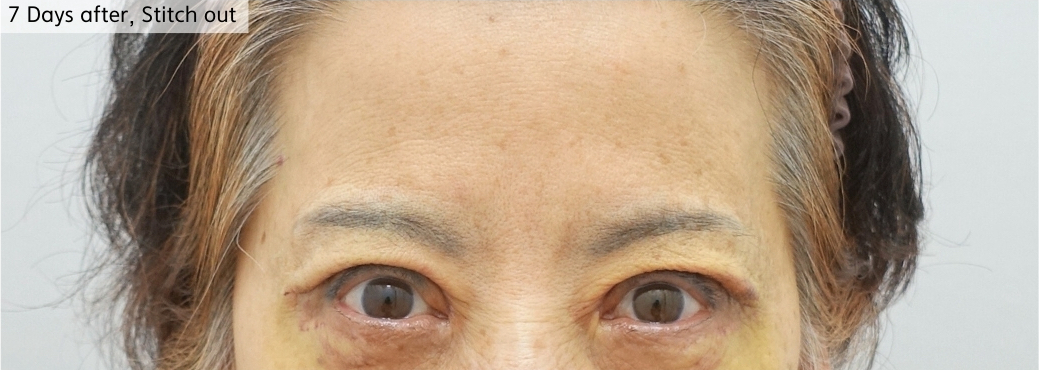
7 Days after, Stitch out
Ptosis Correction Insights
Understanding ptosis and eyelid opening requires careful structural evaluation. In many patients, the problem is not simply the crease design but the function of the eyelid opening muscles. The following articles explain common misconceptions and clinical considerations related to ptosis correction and eyelid function.
At Ahnsungmin Plastic Surgery, eyelid surgery is approached through careful structural analysis rather than simply focusing on cosmetic change.
Many eyelid conditions such as ptosis, eyelid hollowing, lower eyelid bags, or postoperative imbalance are closely related to the underlying anatomy of the eyelid.
Our surgical philosophy focuses on restoring natural balance while preserving healthy tissue and achieving long-term structural stability.
What Our Patients Say?
“From the moment I stepped into Ahnsungmin Plastic Surgery, I knew I had made the right choice. Dr. Ahn took the time to truly understand what I wanted and explained everything so clearly. His expertise gave me complete confidence, and the care I received from consultation through recovery was exceptional. I couldn’t be happier with my results – they look so natural, exactly what I hoped for. Thank you, Dr. Ahn and the entire team, for making this such a positive experience!”
Alina, Singapore
“It’s been over a year since my surgery with Dr. Ahn, and I’m still amazed every time I look in the mirror. The natural results and attention to detail truly set Ahnsungmin Plastic Surgery apart. Dr. Ahn’s expertise has given me a confidence I never knew was possible. Thank you for changing my life with your incredible skill!”
Vivian, USA
Contact Us Today
Contact
Phone: +82-2-414-1114 (korea)
WhapsApp: +82-10-8498-0462 (English)
Address
4, Olympic-ro 12-gil, Songpa-gu, Seoul, Republic of Korea