Upper Eyelid Fat Reposition
Restoring Natural Volume Through Structural Balance
Upper eyelid hollowing is often not simply a loss of volume but the result of structural changes involving orbital fat distribution, eyelid support, and muscle balance.
At Ahnsungmin Plastic Surgery, correction focuses on restoring natural eyelid structure by carefully repositioning existing orbital fat while preserving healthy tissue and anatomical stability.
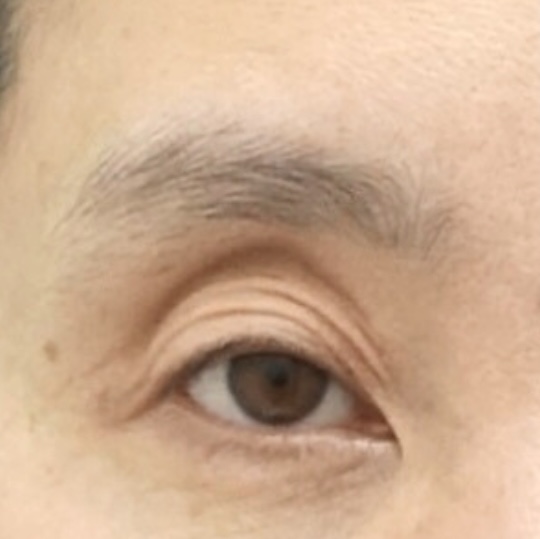
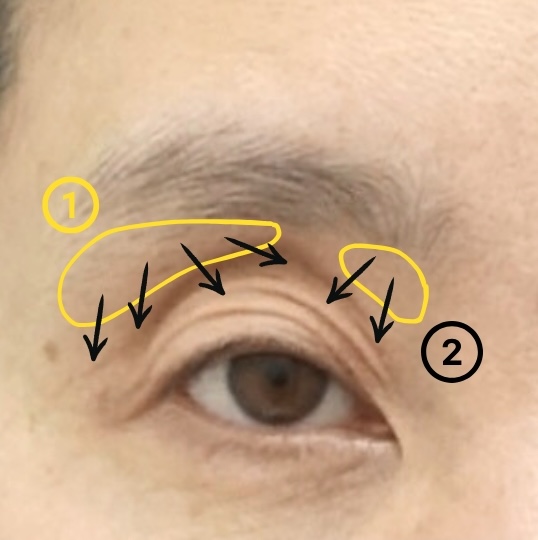
Upper eyelid hollowing is often misunderstood as a simple loss of volume. In many patients, however, the hollow appearance develops as a result of structural changes in the eyelid.
Changes in muscle balance, orbital fat distribution, eyelid support, and even subtle ptosis can gradually deepen the hollow appearance of the upper eyelid.
For this reason, treatment should not focus only on adding volume. Careful evaluation of the underlying eyelid structure is essential before deciding on the appropriate treatment approach.
Our Surgical Philosophy
Structural Balance
Successful eyelid surgery begins with restoring structural balance. Rather than focusing only on cosmetic change, our approach addresses the underlying anatomical causes affecting the eyelid.
Precise Anatomical Evaluation
Each patient’s eyelid anatomy, muscle strength, orbital fat distribution, and eyelid support are carefully evaluated before surgery to determine the most appropriate treatment plan.
Tissue Preservation
Whenever possible, healthy tissue is preserved and existing orbital fat is strategically repositioned to maintain the natural anatomy of the eyelid.
Natural Long-Term Results
Our goal is not temporary cosmetic improvement but stable, natural results that maintain eyelid function and balance over time.
Structural Causes of Upper Eyelid Hollowing
Upper eyelid hollowing may develop due to several factors.
• Natural aging and gradual fat displacement • Previous eyelid surgery • Orbital fat redistribution • Levator muscle imbalance • Compensatory brow elevation • Eyelid ptosis affecting eyelid opening dynamics
Understanding the underlying cause is essential before deciding whether volume restoration, fat repositioning, or ptosis correction is appropriate.
In some patients, hollowing becomes more visible when eyelid opening is weakened by ptosis.
When the levator muscle function decreases, patients often compensate by raising their eyebrows to help lift the eyelids. Over time, this compensatory movement can stretch the eyelid skin and deepen the hollow appearance of the upper eyelid.
For this reason, evaluation of eyelid opening strength and brow activity is an important part of planning treatment for upper eyelid hollowing.
Surgical Philosophy: Restoring Structure, Not Just Volume
Many traditional approaches focus primarily on adding volume through fat grafting. While fat grafting can be useful in selected cases, excessive volume addition may create unnatural fullness or long-term irregularities.
Our approach focuses on restoring structural balance of the eyelid.
• Preservation of existing healthy tissue • Strategic repositioning of orbital fat when appropriate • Conservative volume restoration • Respect for natural eyelid anatomy
This philosophy allows us to achieve natural results while minimizing the risk of overcorrection.
Duration: 1 Hour
Incision: Full incision along the eyelid crease
Hospitalization: None
Stitch removal: 7 days after procedure
Recovery period: 5-7 days
Anesthesia: Local
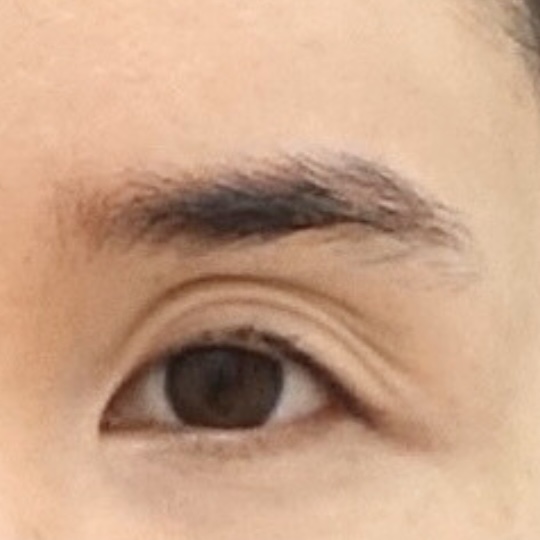
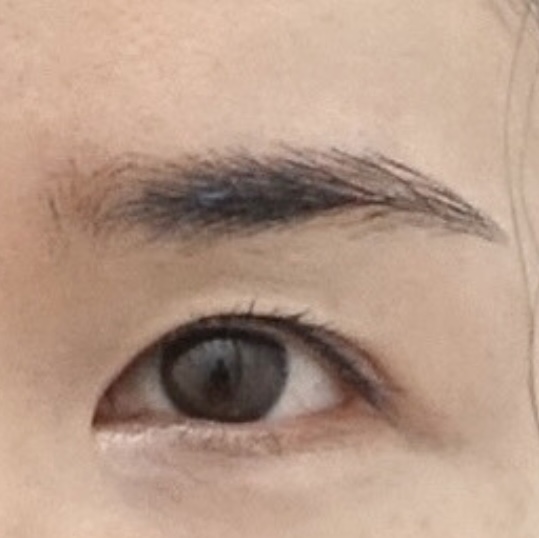
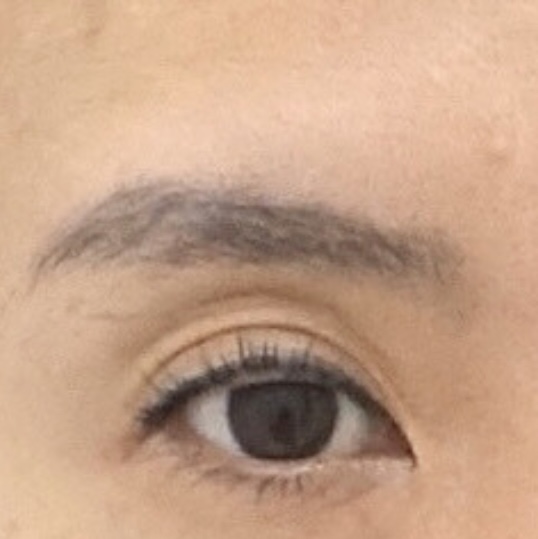
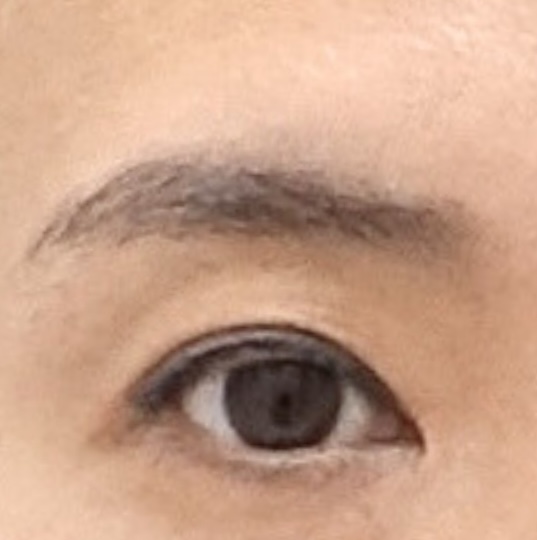
Real Clinical Cases of Upper Eyelid Fat Reposition
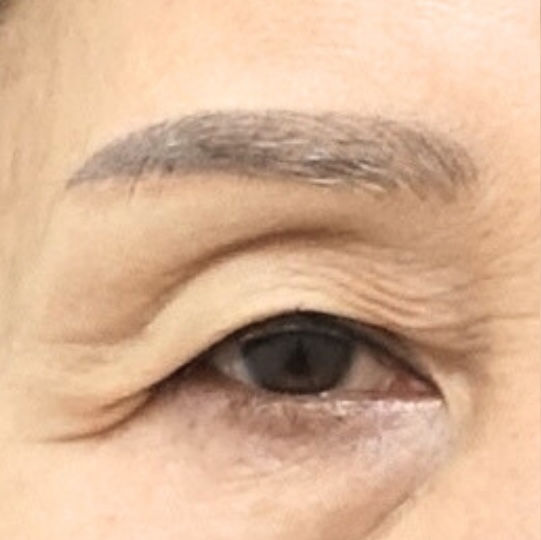
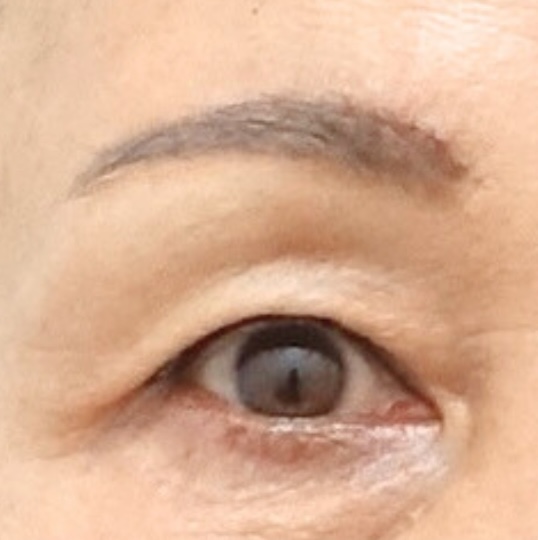
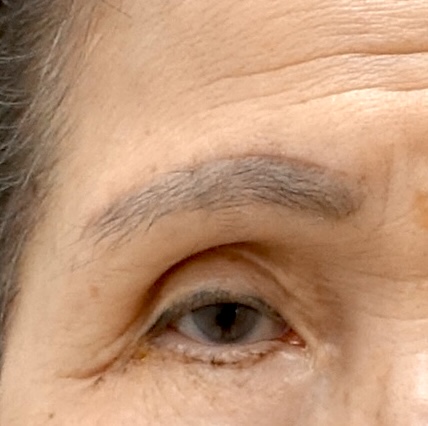
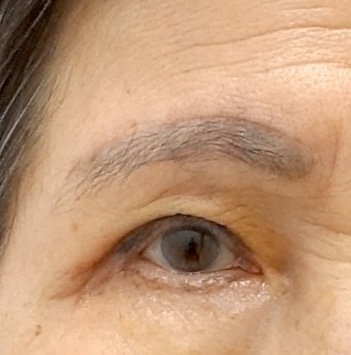
These cases illustrate how repositioning existing orbital fat can improve hollow upper eyelids while preserving the natural anatomy of the eyelid.
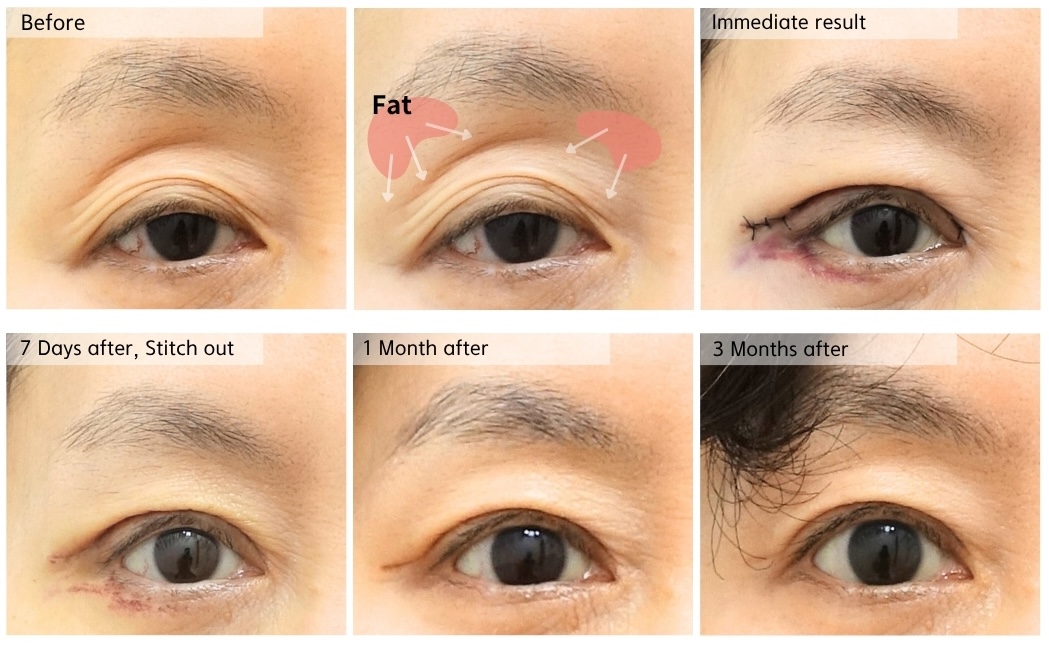
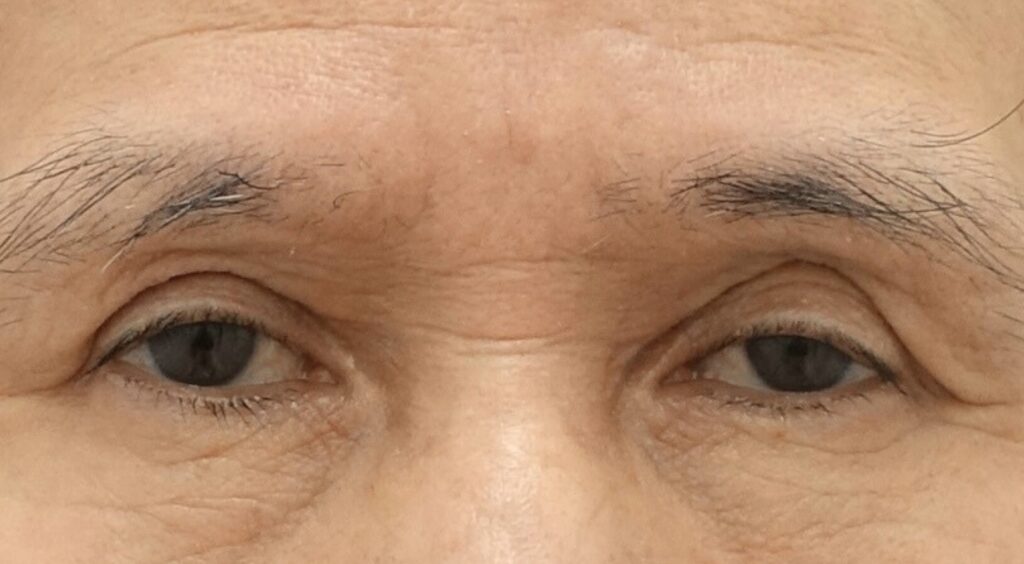
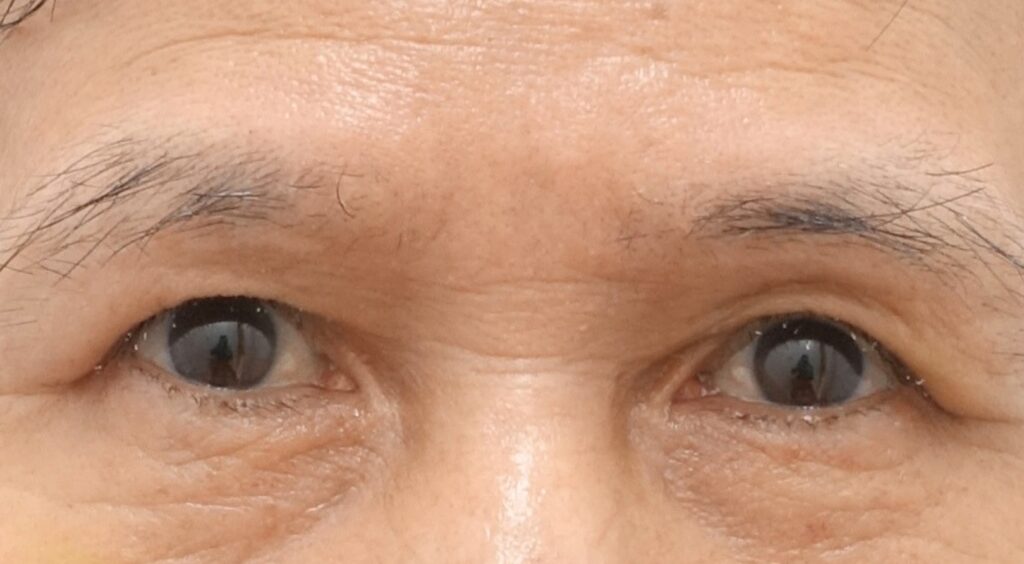
In this case, ptosis correction (eye muscle adjustment) was performed together with fat repositioning to restore both function and volume.
Upper Eyelid Fat Reposition Process
This result was achieved through a combined approach—ptosis correction to restore eyelid function, and fat repositioning to improve volume and contour.
Before
Immediate result
7 Days after, Stitch out
3 Months after
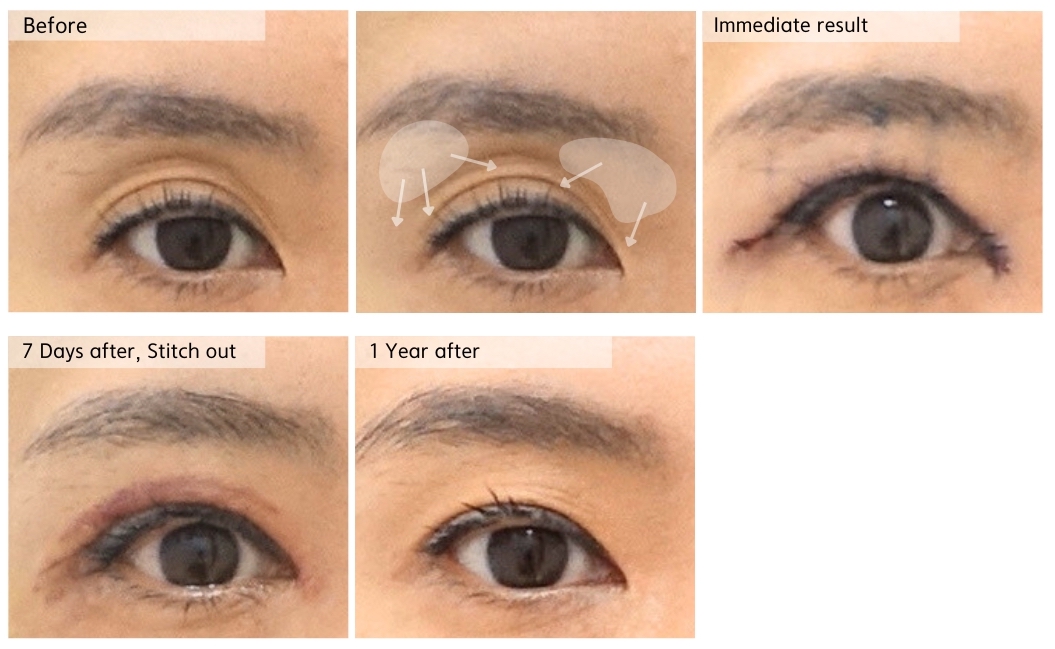
Upper Eyelid Fat Reposition Process
This case was performed with both ptosis correction and fat repositioning to address functional and structural concerns together.
Upper Eyelid Fat Reposition Process
7 Months After
Patient in her 30s
Combined procedure: Ptosis correction and upper eyelid fat repositioning
Before
After
1 Year After
Patient in her 40s
Combined procedure: Ptosis correction and upper eyelid fat repositioning
Before
After
3 Months After
Patient in her 60s
Combined procedure: Ptosis correction and upper eyelid fat repositioning
Before
After
7 Days After, Stitch Out
Patient in her 70s
Combined procedure: Ptosis correction and upper eyelid fat repositioning
Before
After
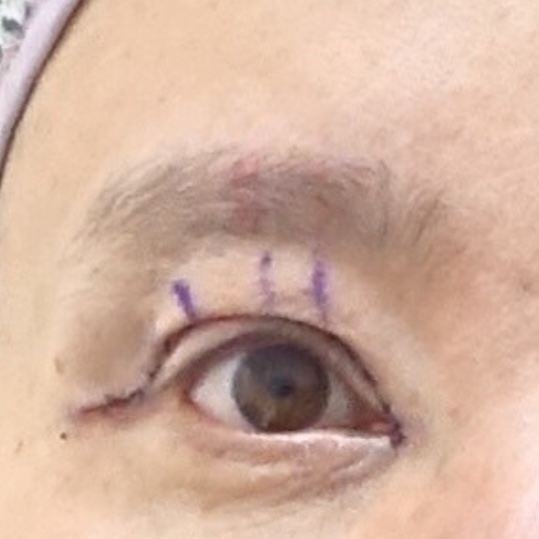
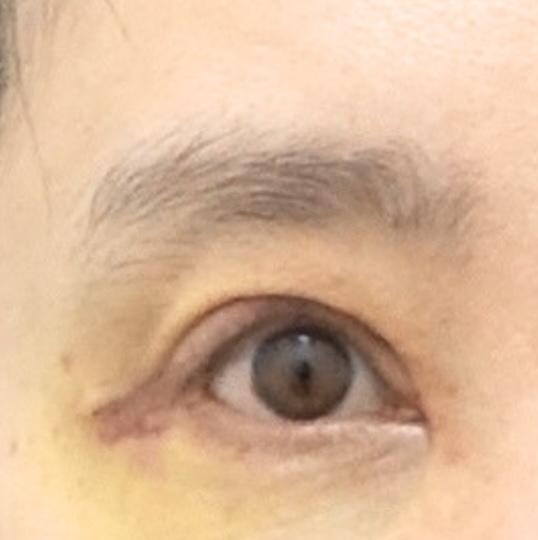
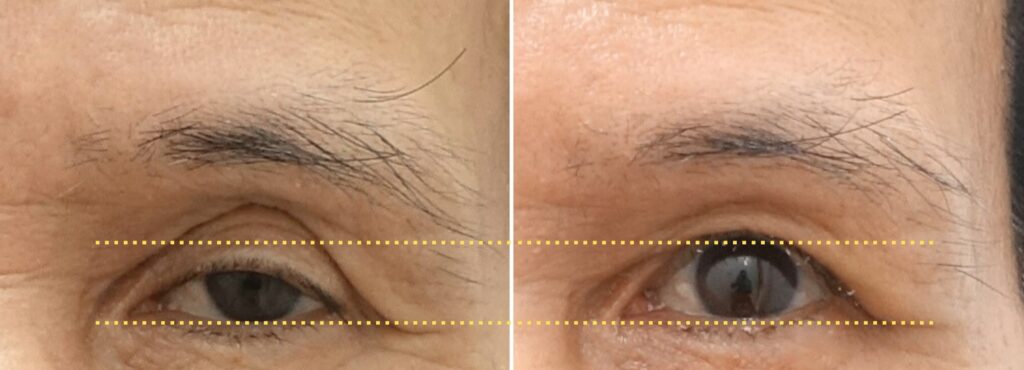
Patient in his 60s
Postoperative Day 30 After Revision Surgery
Combined procedure: Ptosis correction + Orbital fat repositioning + Crease lowering
This case demonstrates that eyelid hollowing is not simply a volume deficit.
In many cases, ptosis and compensatory eyelid tension are the primary causes.
Without addressing these factors, volume-based treatments alone cannot provide stable results.
Before
Postoperative Day 30 after
Improvement of eyelid hollowing achieved through structural correction—not volume addition.
Orbital Fat Reposition & Eyelid Hollowing Insights
Understanding eyelid hollowing requires careful structural evaluation. In many patients, hollowing is not simply a matter of volume loss, but a combination of muscle imbalance, orbital fat displacement, and previous surgical changes. The following articles explain common causes and clinical considerations related to eyelid hollowing and fat reposition procedures.
At Ahnsungmin Plastic Surgery, eyelid surgery is approached through careful structural analysis rather than simply focusing on cosmetic change.
Many eyelid conditions such as ptosis, eyelid hollowing, lower eyelid bags, or postoperative imbalance are closely related to the underlying anatomy of the eyelid.
Our surgical philosophy focuses on restoring natural balance while preserving healthy tissue and achieving long-term structural stability.
What Our Patients Say?
“I was super insecure about my sunken eyes since birth. Two doctors said nothing could be done, but Dr. Ahn was different! He used fat transfer with eyelid surgery and totally transformed my eyes. The whole process was easier than I expected and now my eyes look exactly how I wanted – no more hollow look! So grateful I found him.”
Sarah, Singapore
“Other doctors told me my sunken eyes were “too difficult” to fix but Dr. Ahn made it look easy! His fat transfer technique is seriously magic. Recovery was smooth and now 6 months later my eyes look perfect – no more sunken areas at all. His whole team was super nice too. Still can’t believe these are my eyes when I look in the mirror!”
Ella, Australia
Contact Us Today
Contact
Phone: +82-2-414-1114 (korea)
WhapsApp: +82-10-8498-0462 (English)
Address
4, Olympic-ro 12-gil, Songpa-gu, Seoul, Republic of Korea