When Skin Shortage Defines the Limits of Ptosis Correction.
Not All Limitations Come from Muscle Ptosis correction is often discussed in terms of muscle function, particularly the levator. However, in many revision cases, the true limitation is not the muscle. It is the skin. When the available skin is insufficient, the eyelid cannot be safely elevated beyond a certain point. The limitation is structural,.....
When Ptosis Correction Should Be Delayed.
Not Every Ptosis Requires Immediate Correction Ptosis correction is often considered as soon as a problem is recognized. However, not all cases should be addressed immediately. In some situations, early intervention can lead to unstable or unpredictable outcomes. Timing is part of the decision. Healing Changes the Eyelid Over Time After prior surge...
When Vision Loss Affects Ptosis Correction.
Eyelid Function Is Not Independent from Vision Ptosis correction is often approached as a mechanical issue. However, eyelid function is closely linked to vision. The ability to open the eyes is not driven by muscle alone. It is influenced by neural input over time. Long-Term Vision Loss Reduces Eyelid Activation When vision in one eye...
When Ptosis Correction Is Not a Standard Approach in Neurological Cases.
Not All Ptosis Is Structural Ptosis is often approached as a mechanical problem. In many cases, this is appropriate. However, not all ptosis originates from structural weakness. Some cases are neurological. In these situations, the mechanism of eyelid movement itself is altered. Neurological Ptosis Requires a Different Perspective Conditions such a...
When a High Crease Is Not the Right Choice in Ptosis Correction.
A Higher Crease Does Not Always Improve the Eye Many patients believe that a higher eyelid crease will make the eyes look larger and more defined. This assumption often leads to requests for a high fold. However, a higher crease does not always create a better result. In some cases, it creates imbalance. The Problem...
When Multiple Eyelid Creases Are Not Solved by Creating Another Line.
Multiple Creases Are Not Just a Line Problem Patients with multiple eyelid creases often assume that creating a new, clearer line will solve the issue. This is rarely the case. Multiple creases are usually the result of structural imbalance— not simply the absence of a defined fold. Adding another line without addressing the underlying cause...
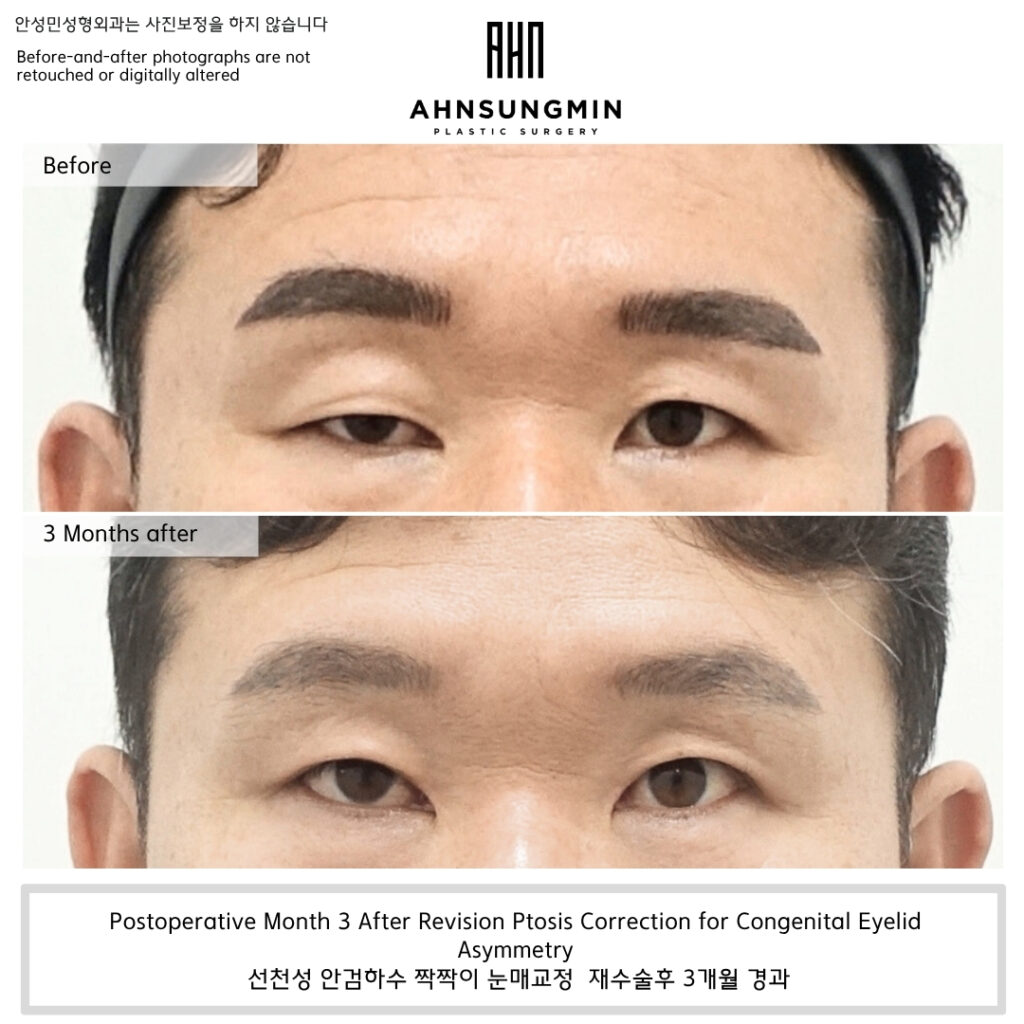
When We Try to Achieve Symmetry in Ptosis Correction.
Symmetry Is Not Ignored Ptosis correction is not about forcing symmetry. But it is also not about ignoring it. Patients naturally expect their eyes to look balanced. In most cases, achieving symmetry to a reasonable degree is both possible and appropriate. Not All Asymmetry Should Be Left Untouched There is a misconception that asymmetry should...
When Ptosis Correction in Korea Is Not Necessary.
Not Every Heavy Eyelid Requires Ptosis Correction Not every patient with heavy or tired-looking eyes requires ptosis correction. What appears to be reduced eyelid opening is not always a functional problem. In many cases, the issue is related to skin thickness, temporary fatigue, or natural asymmetry rather than true ptosis. Surgery should not be c...
Why Natural Eye Opening Matters More Than Crease Design.
Our Approach Is Not to Create Artificially High Folds. Intentionally creating a high and prominent double eyelid fold does not align with our surgical philosophy. A double eyelid does not make the eyes larger simply because it is higher.In fact, lowering an excessively high crease is often far more difficult than creating it in the...
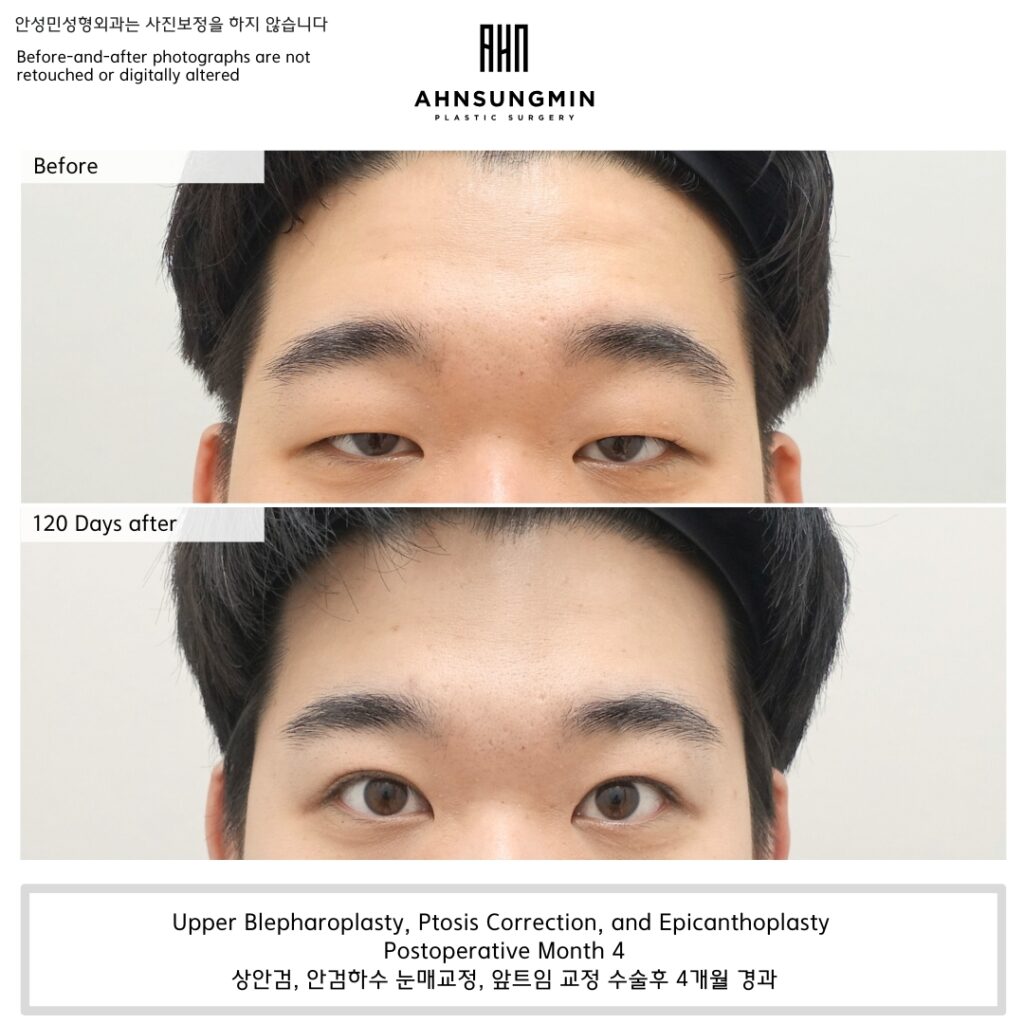
Why Ptosis Correction Is Not About Making the Eyes Bigger.
What Patients Expect from Ptosis Correction in Korea Ptosis correction in Korea is not about making the eyes bigger. Ptosis correction in Korea is often misunderstood as a cosmetic procedure. Many patients assume that ptosis correction will make their eyes look bigger. This expectation often comes from the visible change after surgery, where the ey...