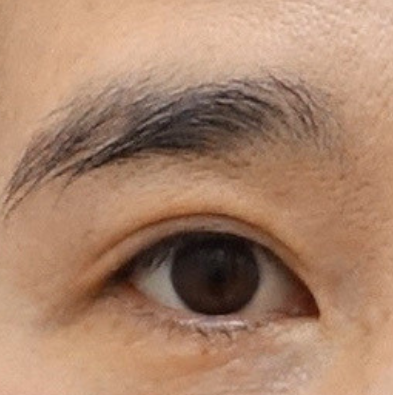
Upper Eyelid Surgery Recovery Timeline in Korea: How Long Does Healing Really Take?

Upper eyelid surgery in Korea is known for precision and refinement, but recovery still takes time.
Understanding the healing process helps patients develop realistic expectations and protects long-term surgical results.

Upper Eyelid Surgery Recovery Timeline in Korea

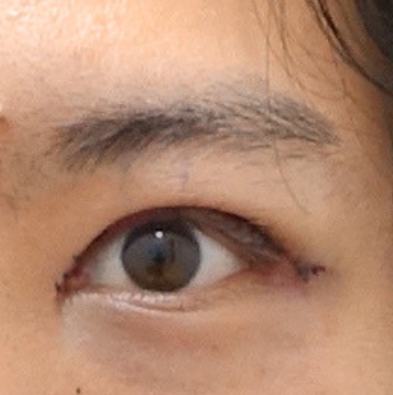
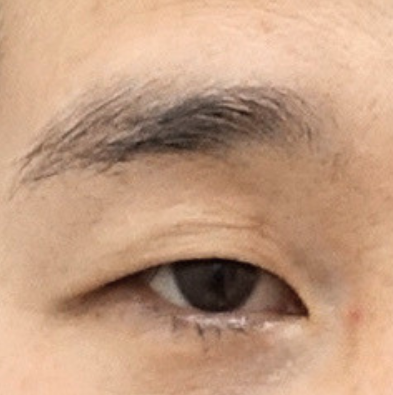
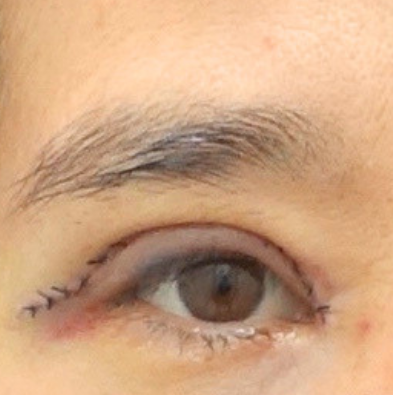
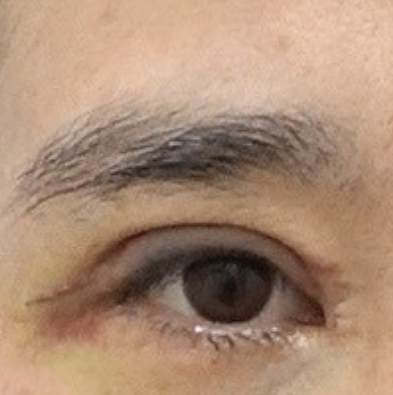
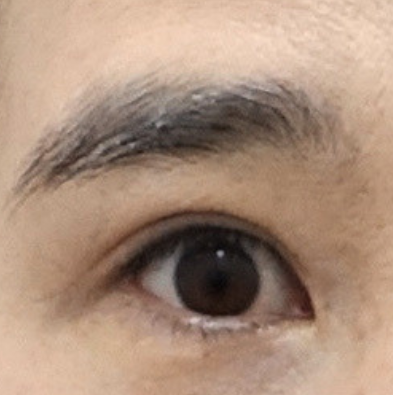
• 1–2 weeks: Swelling and bruising improve
• 3–4 weeks: Appearance becomes socially acceptable
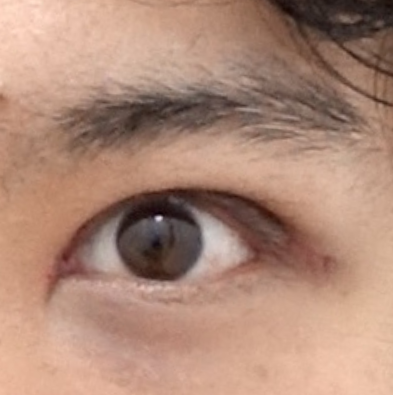
• 1–3 months: Residual swelling gradually settles
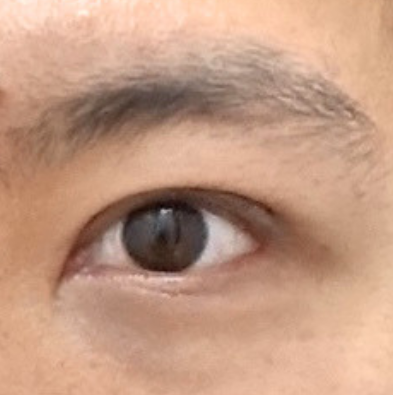
• 3–6 months: Eyelid shape becomes more stable
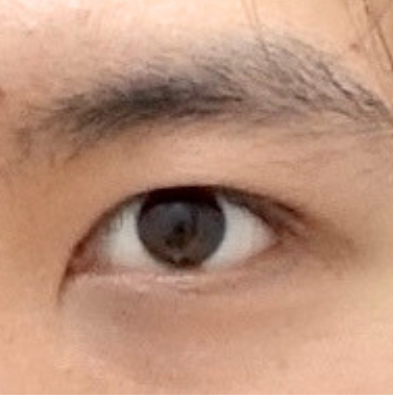
• 6 months or longer: Final result becomes clear
• 6–12 months: Scar maturation and long-term stabilization continue

Understand Upper Eyelid Surgery Recovery in Korea
See more Eyelid Surgery Cases

Swelling is most noticeable in the first week.
Subtle changes continue for several months.
The final result takes time to fully settle.

Upper Eyelid Surgery Recovery Example 2

Even when swelling looks improved, the healing process is not yet complete.
Each stage shows different changes, and the final outcome develops gradually over time.
This is why consistent observation is more important than early judgment.

Why Healing Takes Time

The eyelids are thin, delicate, and constantly in motion.
Swelling, tissue adaptation, and muscle function all require time to stabilize.
These processes cannot be rushed without affecting the final outcome.

International patients visiting Korea for eyelid surgery are often surprised by how long subtle swelling and tissue adaptation can continue after surgery.
Even when the eyelids appear improved externally, deeper healing and structural stabilization may still be ongoing beneath the surface.
This is why long-term observation is often more important than early judgment during the recovery process.
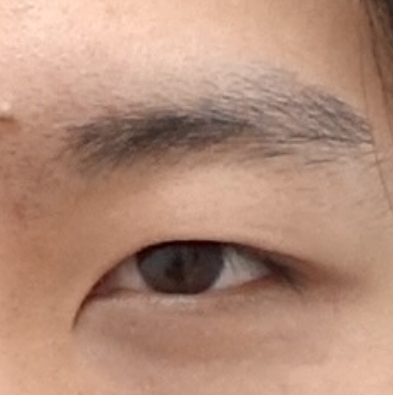
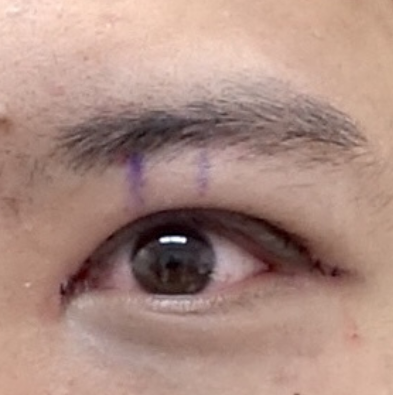


Do Not Judge Too Early

t is common for the eyelids to appear uneven or unnatural during early recovery.
This does not indicate failure, but rather a normal phase of healing.
Premature judgment often leads to unnecessary concern or incorrect decisions.

Swelling does not resolve evenly, and the healing process may progress differently between the two eyes during the early stages of recovery.
Temporary asymmetry, tightness, or stiffness are common findings after eyelid surgery and often improve gradually over time.
Careful observation is usually more appropriate than early correction during this phase.

Recovery Determines the Result

Surgery is only one part of the process.
How the tissues heal and adapt over time determines the final result.
Patience and proper recovery are essential for long-term stability.

In eyelid surgery, the final outcome depends not only on surgical technique, but also on how the tissues stabilize during recovery.
Long-term results are shaped by swelling resolution, scar maturation, muscle adaptation, and structural healing over time.
This is why recovery should be considered part of the treatment process itself.

Have More Questions About Recovery?

Every case heals differently. If you are considering eyelid surgery, a personalized consultation is the best way to understand your expected recovery process.

Upper Eyelid Surgery Recovery FAQ

How long does swelling last after upper eyelid surgery in Korea?

Swelling is usually most noticeable during the first one to two weeks after surgery.
While much of the visible swelling improves within the first month, subtle tissue adaptation and residual swelling may continue for several months during the healing process.

When can I see the final result after upper eyelid surgery?

Most patients begin to see a more natural appearance within one to three months after surgery.
However, final stabilization, scar maturation, and tissue softening may continue for six months or longer.

Is temporary asymmetry normal during eyelid surgery recovery?

Yes. Temporary asymmetry is common during the recovery period because swelling and tissue healing do not always progress evenly between both eyes.
In many cases, this gradually improves as the tissues stabilize over time.

How long should international patients stay in Korea after upper eyelid surgery?

The recommended stay depends on the surgical method and individual recovery speed.
Many patients remain in Korea until suture removal and early postoperative evaluation are completed to ensure stable initial healing.

Why does eyelid recovery take longer than expected?

The eyelids are delicate structures that move constantly throughout the day.
Swelling, scar maturation, muscle adaptation, and tissue stabilization all require time, even after the external appearance begins to improve.

Can the eyelids look unnatural during early recovery?

Yes. Tightness, uneven swelling, temporary asymmetry, or an unnatural appearance may occur during the early stages of recovery.
These findings are often part of the normal healing process and may improve gradually over time.

/request-a-consultation/