Dr. Ahnsungmin | Eyelid Revision Specialist in Korea
Specializing in identifying the underlying causes of surgical failure, restoring functional anatomy, and achieving long-term stability.
A Surgeon Focused on Structural Precision in Eyelid Surgery
Dr. Ahnsungmin is a plastic surgeon specializing in eyelid surgery, with a particular focus on revision procedures that require detailed structural analysis and long-term stability. His approach is not based on creating larger or more noticeable eyelids, but on restoring balance, function, and anatomical integrity.
Rather than relying on standardized techniques, each case is evaluated individually to identify the underlying causes of unsatisfactory outcomes—such as scarring, adhesions, muscle imbalance, or structural support issues. This cause-based approach allows for more precise correction and reduces the likelihood of repeated revisions.
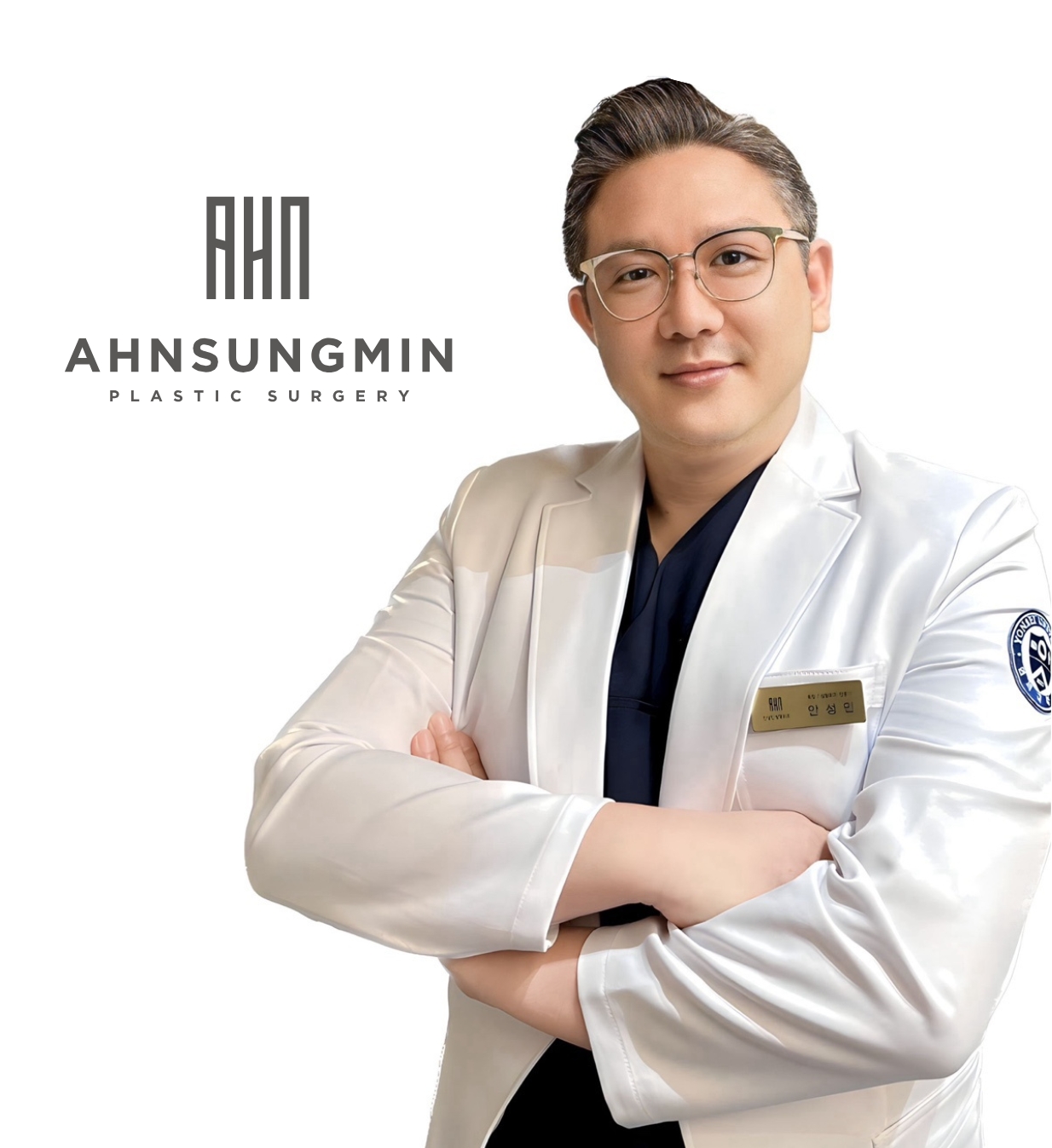
A Consistent Surgical System Led by One Surgeon
At Ahnsungmin Plastic Surgery, all procedures are performed by a single surgeon from consultation to surgery and long-term follow-up. This continuity ensures that the surgical plan is fully aligned with the patient’s condition and that subtle structural details are not lost between stages of care.
Every procedure is performed under local anesthesia, allowing for real-time assessment and minimizing unnecessary intervention. This approach prioritizes safety, control, and accuracy over speed or convenience.
Revision Surgery Requires Restraint, Not Aggression
In revision eyelid surgery, more correction does not always lead to better outcomes. In many cases, excessive removal of tissue or aggressive adjustments are the cause of the original problem.
Dr. Ahnsungmin’s surgical philosophy emphasizes restraint. The goal is not to change the eye dramatically, but to restore what has been lost while preserving as much functional tissue as possible. This is especially critical in patients with limited remaining skin or compromised structural support.
Timing, Judgment, and Long-Term Stability
Not all patients are immediate candidates for revision surgery. In some cases, waiting is the most appropriate decision. Tissue recovery, scar maturation, and functional stabilization all play a role in determining the correct timing for surgery.
Dr. Ahnsungmin places strong emphasis on surgical timing and patient selection. A procedure is recommended only when the expected outcome is stable, realistic, and aligned with the patient’s condition.
Surgical Approach and Patient Selection
Dr. Ahnsungmin carefully evaluates each patient based on structural conditions rather than aesthetic preference alone. Not all patients are immediate candidates for surgery, particularly in revision cases where tissue recovery and scar stabilization are essential.
A conservative approach is often recommended when structural limitations exist, especially in patients with reduced skin availability or compromised support structures. Surgical decisions are made based on long-term stability rather than short-term visual changes.
A Surgical Philosophy Centered on Final Correction
The ultimate goal of revision eyelid surgery is not repeated intervention, but final correction. This requires careful planning, precise execution, and a clear understanding of limitations.
At Ahnsungmin Plastic Surgery, every surgical decision is made with long-term outcomes in mind—minimizing the need for future revisions while maintaining natural function and appearance.
Clinical Focus and Surgical Expertise
Dr. Ahnsungmin’s primary clinical focus is revision eyelid surgery, particularly in complex cases where previous procedures have resulted in functional or structural complications. His experience includes addressing issues such as eyelid retraction, asymmetry, scarring, and insufficient or excessive tissue removal.
By prioritizing structural balance and long-term stability, his approach aims to minimize the likelihood of repeated interventions while restoring both function and natural appearance. Each surgical plan is developed based on a thorough analysis of anatomical conditions rather than standardized aesthetic goals.
